Basketball has long been recognized not just as an exhilarating sport, but as a powerful unifier that bridges gaps between diverse groups of people. Its simplicity and global appeal make it a potent tool for fostering community ties and promoting social harmony. This article delves into how basketball builds unity and its enduring impact on societies worldwide.
Origins and Community Impact
Basketball's invention in 1891 by Dr. James Naismith was initially intended to keep athletes active during winter. It swiftly became more than just a seasonal activity, evolving into a community-centric sport. Now, it's a global phenomenon played by millions at various levels—from street hoops to grandiose professional arenas.
.png)
Accessibility and Inclusivity
Accessibility is a significant factor in basketball's ability to unite. The basic requirements—a ball and a hoop—make it inclusive to all economic backgrounds. This inclusivity opens doors for people from varied socioeconomic statuses to interact and bond over a shared interest, helping to dissolve societal barriers.
Neighborhood Integration
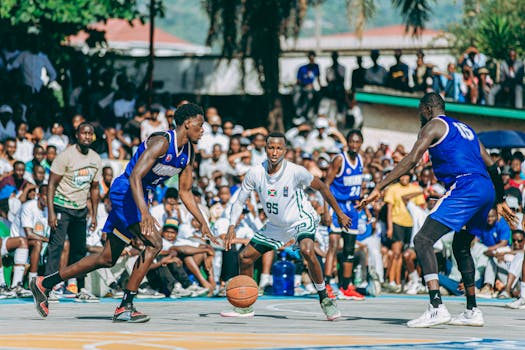
Basketball courts often become communal focal points in neighborhoods, places where individuals gather to engage and form connections. These public spaces allow people to step away from their daily divisions and come together, emphasizing teamwork and communal enjoyment over individual differences.
Youth Development and Mentorship
For young individuals, basketball is more than a game—it's a formative experience. Participating in basketball teaches them vital life skills such as discipline, teamwork, and leadership. Coaches play a pivotal role, not just in refining their athletic skills but also in imparting life lessons that extend beyond the game.
A Tool for Social Cohesion
Basketball has shown its capacity to unite people even during turbulent times. For instance, during the Yugoslav Wars, basketball games were among the rare events that unified people across ethnic and national divides. In the United States, the sport has been instrumental in advancing discussions on racial equality and social justice.
Professional Leagues and Global Unity
The NBA exemplifies how professional basketball can advocate for diversity and inclusion. Through initiatives like Basketball Without Borders, the NBA fosters international solidarity among the youth, teaching them about cultural respect and mutual understanding. Such efforts highlight the sport's role in building a more inclusive world.
International Appeal and Cultural Exchange
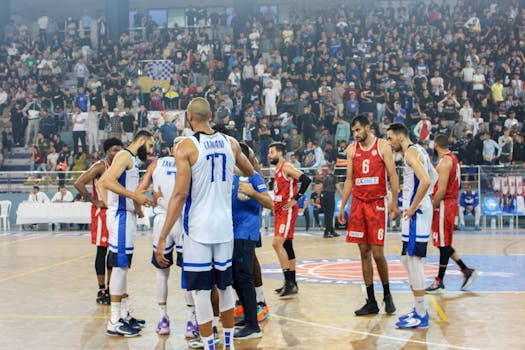
Basketball's global allure is evident during international competitions such as the Olympics and the FIBA World Cup. These events not only highlight the sport's worldwide popularity but also its power to unite diverse international audiences. Fans and players from across the globe celebrate together, showcasing basketball's role in fostering global community spirit.
Conclusion
Basketball transcends being merely a sport; it is a catalyst for community building and social integration. Its straightforwardness and universal appeal provide a common ground for people of all backgrounds to come together. Whether played on a neighborhood court or at an international tournament, basketball promotes unity and cultural exchange, underscoring the profound societal impact sports can have. Through every dribble, pass, and shot, basketball continues to prove that it's more than just a game—it's a unifying force across the globe.