Basketball is more than just a high-energy sport played on courts around the world; it is a powerful catalyst for personal growth and lifelong development. From the first dribble to the final buzzer, the lessons learned and the skills honed on the basketball court often transcend the game itself. As millions of people of all ages pick up a basketball each year—FIBA estimates over 450 million people play globally—the positive impact on personal development becomes increasingly evident. But what exactly does basketball offer beyond physical fitness and competition? Let’s explore how engaging in basketball can shape character, foster emotional intelligence, and prepare individuals for success in all areas of life.
Building Character: Discipline, Teamwork, and Leadership
Basketball is a sport that demands more than technical prowess; it requires a commitment to discipline, collaboration, and leadership—qualities that are invaluable off the court as well.
Discipline is at the core of every successful basketball player’s journey. From adhering to rigorous training regimens to balancing academic and athletic responsibilities, players learn to set and achieve goals through perseverance. This sense of discipline translates directly to academic and professional environments, where self-motivation and consistency are essential for long-term success.
.png)
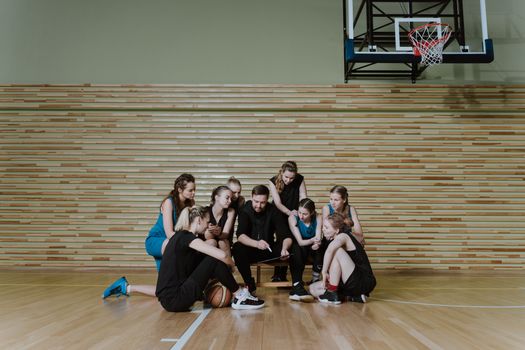
Teamwork is another cornerstone of basketball. Unlike individual sports, basketball players must coordinate with teammates, communicate effectively, and trust one another to achieve shared objectives. A study from the Journal of Youth and Adolescence found that adolescents who engaged in team sports like basketball reported higher levels of social competence and cooperation compared to those involved in individual sports. These collaborative skills are directly transferable to workplace dynamics, family life, and community involvement.
Leadership opportunities abound in basketball. Whether serving as team captain or mentoring younger players, participants often find themselves in positions where they must inspire, guide, and motivate others. These experiences nurture confidence, empathy, and decision-making—traits that are highly sought after in leaders across all fields.
Emotional Intelligence: Coping with Success and Failure
Success in basketball is not solely measured by wins and losses; it’s about how players respond to challenges, setbacks, and victories. This emotional journey is crucial for developing resilience and emotional intelligence.
Basketball exposes players to the highs of triumph and the lows of defeat, often within the span of a single game. Learning to celebrate success with humility and to process disappointment constructively fosters a balanced emotional outlook. According to a 2019 survey by the Aspen Institute, 88% of parents agreed that sports help children develop emotional control and maturity.
Moreover, basketball teaches players to manage pressure and stress. Whether it’s performing in front of a crowd or taking the final shot in a close game, handling high-pressure situations on the court builds mental fortitude. These coping mechanisms help individuals navigate stressful scenarios in academics, work, and personal relationships.
Enhancing Cognitive and Social Skills through Basketball
While basketball is often praised for its physical benefits, its impact on cognitive development and social skills is equally significant.
On a cognitive level, basketball requires quick thinking, strategic planning, and adaptability. Players must anticipate opponents’ moves, execute complex plays, and make split-second decisions. Research published in the journal "Frontiers in Psychology" found that athletes in fast-paced sports like basketball exhibited enhanced executive function—skills related to memory, flexible thinking, and self-control.
Socially, basketball brings people together from diverse backgrounds and fosters a sense of belonging. The camaraderie built during practices, games, and tournaments often leads to lifelong friendships. Participation in basketball can also break down social barriers, promote inclusivity, and teach respect for others’ perspectives and abilities.
The table below summarizes key personal development outcomes of basketball compared to other popular team and individual sports:
| Sport | Teamwork Development | Leadership Opportunities | Cognitive Skills | Social Inclusion |
|---|---|---|---|---|
| Basketball | High | High | High | High |
| Soccer | High | Moderate | Moderate | High |
| Tennis (Singles) | Low | Low | High | Moderate |
| Swimming (Individual) | Low | Low | Moderate | Low |
| Volleyball | High | Moderate | Moderate | High |
Physical Health as a Foundation for Confidence and Well-being
While the psychological and social benefits of basketball are profound, the physical advantages provide a foundation for overall well-being and self-confidence.
Basketball is an intense cardiovascular workout. Running, jumping, sprinting, and sudden changes in direction contribute to heart health, muscle development, and improved coordination. The World Health Organization recommends at least 60 minutes of moderate to vigorous physical activity daily for young people, and basketball is an engaging way to achieve this. Notably, a 2022 report by the Sports & Fitness Industry Association listed basketball as the third most popular team sport in the United States, highlighting its role in promoting active lifestyles.
Physical fitness, in turn, has been linked to greater self-esteem. Achieving fitness milestones—be it making a free throw, improving stamina, or mastering a skill—boosts confidence, motivating individuals to set and pursue goals in other areas of life. The discipline required to maintain fitness also encourages healthy habits, such as nutrition and time management, that benefit personal and professional growth.
Basketball’s Role in Building Community and Social Responsibility
Beyond individual development, basketball serves as a powerful tool for community building and social responsibility. Local leagues, school teams, and neighborhood pickup games bring people together, fostering a sense of unity and shared purpose.
Many basketball programs incorporate community service, mentorship, and outreach initiatives. For example, NBA Cares, the league’s social responsibility program, has invested more than $370 million in communities and built over 1,650 places for kids and families to live, learn, or play since its inception. These initiatives teach players about giving back, empathy, and the importance of civic engagement.
Basketball’s universal appeal also enables it to cross cultural and socioeconomic boundaries, creating opportunities for inclusion and mutual understanding. Whether in a small town or a global city, the basketball court often becomes a gathering place where values like respect, fairness, and collaboration are lived out daily.
Life Skills Gained from Basketball: Real-World Applications
The personal development fostered by basketball is not confined to the court; it prepares individuals for real-world challenges and opportunities.
Goal setting and perseverance, learned through athletic training and competition, are directly applicable to academic achievement and career advancement. Communication skills, honed through on-court interactions, are vital for effective teamwork in professional settings. The ability to handle pressure, adapt to changing circumstances, and recover from setbacks are qualities that employers, educators, and communities highly value.
Moreover, basketball’s emphasis on inclusivity and respect for diversity reflects the realities of today’s interconnected world. By bringing together individuals from different backgrounds, the sport encourages open-mindedness and cultural awareness—qualities essential for thriving in a global society.
Final Thoughts on the Impact of Basketball on Personal Development
Basketball is far more than a game; it is a dynamic arena for personal transformation. By nurturing discipline, teamwork, emotional resilience, cognitive agility, and social responsibility, basketball equips players with the skills and mindset needed to succeed in all aspects of life. The sport’s unique combination of physical, psychological, and social benefits makes it an ideal platform for personal growth—one that continues to shape character long after the final whistle sounds. Whether you are a player, coach, parent, or fan, embracing the holistic impact of basketball can inspire a lifetime of learning, leading, and contributing to the world.