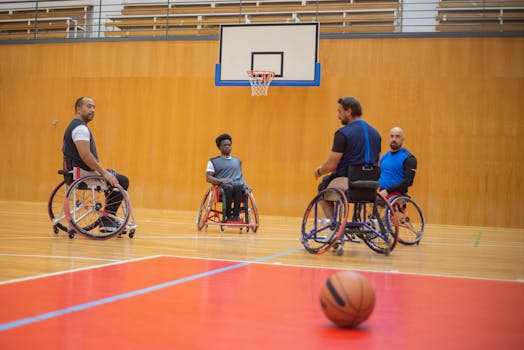
Professional basketball players epitomize peak physical conditioning, skill, and mental toughness, all of which are honed through dedicated and scientifically backed training regimes. These athletes engage in a multifaceted approach to training that prepares them to excel on the court and withstand the rigors of a competitive season. Here’s a deeper look into the comprehensive training regimes that help these players perform at elite levels.
Physical Conditioning
At the core of a basketball player's training is physical conditioning, which includes:
.png)
- Strength Training: Essential for building muscle strength and endurance, strength training exercises like squats, deadlifts, and bench presses are staples in a player’s routine.
- Agility Drills: To enhance speed, quickness, and the ability to change direction swiftly, players engage in agility drills such as ladder drills, cone drills, and plyometrics.
- Cardiovascular Workouts: Critical for maintaining high energy levels and quick recovery, cardiovascular exercises could include running, cycling, and swimming.
Skill Development
Basketball is a skill-intensive sport, requiring players to continually refine their techniques:
- Shooting and Dribbling: Players practice hundreds of shots from different court positions and work on dribbling drills to improve ball handling.
- Passing and Defensive Workouts: Precision in passing and effectiveness in defense are honed through specific drills that improve footwork, body positioning, and team play dynamics.
Mental Training
Mental resilience is key in basketball. Players often work with sports psychologists to enhance focus, manage stress, and maintain motivation throughout the season. Techniques might include:
- Visualization and Concentration Exercises: These help players mentally prepare for games and develop an ability to perform under pressure.
- Mindfulness: To stay centered and present during high-stakes moments.
Diet and Nutrition
Optimal performance is heavily dependent on diet and nutrition:
- Protein and Carbohydrates: High-protein foods help in muscle recovery, while carbohydrates sustain energy levels.
- Hydration: Keeping hydrated is crucial for performance and recovery, making water intake a priority before, during, and after games.
Recovery
Recovery strategies are critical to prevent injuries and ensure athletes are game-ready:
- Sleep: Quality sleep is non-negotiable for effective recovery.
- Recovery Techniques: Ice baths, massage therapy, and compression garments help in quicker recovery and injury prevention.
- Flexibility Workouts: Stretching, yoga, and pilates are incorporated to enhance muscle functionality and flexibility.
Technology and Equipment
Modern training techniques leverage cutting-edge technology:
- Wearable Technology: Devices that monitor physiological metrics like heart rate and calories burned are commonly used in training sessions.
- Video Analysis: Coaches and players use video feedback to refine techniques and strategies, ensuring continuous improvement.
Conclusion
The training regimes of professional basketball players are designed to optimize every aspect of their performance. From physical conditioning and skill development to mental training, diet, and recovery, each component is tailored to ensure athletes can perform at their best. Fans and aspiring players looking to understand what it takes to compete at the highest levels will find these insights into professional training both informative and inspiring. Whether you’re a seasoned athlete or a sports enthusiast, the dedication to training in professional basketball is a testament to what it takes to excel in any field.