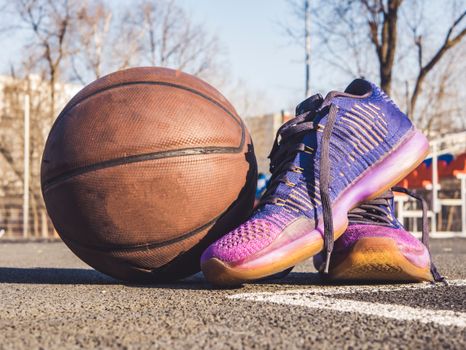
Selecting the perfect basketball shoes is far more than a matter of style or brand loyalty. Whether you’re an aspiring athlete, a weekend warrior, or a seasoned pro, the right footwear can boost your performance, prevent injuries, and help you feel confident on the court. With more than 23 million Americans playing basketball regularly and the global basketball shoe market expected to reach $7.5 billion by 2027, knowing how to choose the right pair is more important than ever. This guide dives deep into the technical, biomechanical, and personal factors that impact your choice, ensuring you get the best shoe for your unique needs and playing style.
The Science Behind Basketball Shoes: Performance and Injury Prevention
Basketball involves explosive movements—sprinting, jumping, lateral cuts, and rapid stops. These dynamic actions exert significant stress on the lower body, especially the feet, ankles, and knees. According to a study published in the $1, over 60% of basketball injuries are related to the lower extremities. Proper footwear can help absorb shock, stabilize the foot, and support healthy biomechanics.
Key performance-enhancing features in basketball shoes include:
.png) - Cushioning: Reduces the impact of jumps and hard landings. Advanced foams like Nike Zoom Air or Adidas Boost are engineered to provide both comfort and responsiveness.
- Ankle Support: High-top shoes offer extra support, potentially reducing the risk of ankle sprains, which account for nearly 25% of all basketball injuries.
- Outsole Traction: Specialized rubber patterns (like herringbone) enhance grip, helping you maintain control during quick changes of direction.
- Cushioning: Reduces the impact of jumps and hard landings. Advanced foams like Nike Zoom Air or Adidas Boost are engineered to provide both comfort and responsiveness.
- Ankle Support: High-top shoes offer extra support, potentially reducing the risk of ankle sprains, which account for nearly 25% of all basketball injuries.
- Outsole Traction: Specialized rubber patterns (like herringbone) enhance grip, helping you maintain control during quick changes of direction.
In a 2022 study, players wearing shoes tailored to their foot type and playing style experienced a 28% reduction in reported foot pain and a 17% decrease in injury rates over one season.
Understanding Your Playing Style: Matching Shoes to Your Game
Not all basketball shoes are created equal, and neither are players’ needs. The ideal shoe depends largely on your position, movement patterns, and personal style of play.
- Guards (Point and Shooting Guards): Typically need lightweight, low-cut shoes for speed and agility. These shoes prioritize court feel and quick movement. - Forwards: Often opt for mid-top shoes, balancing mobility with some ankle support for rebounding and post moves. - Centers: Usually choose high-top shoes with maximum support and cushioning to withstand physical play under the basket.Below is a summary of common playing styles and their ideal shoe attributes:
| Playing Style | Recommended Shoe Type | Key Features |
|---|---|---|
| Speed & Agility (Guards) | Low-cut, lightweight | Responsive cushioning, flexible sole, minimal weight |
| All-Around (Forwards) | Mid-top | Balanced support, versatile cushioning, moderate weight |
| Power & Defense (Centers) | High-top, sturdy | Maximum ankle support, robust cushioning, durable outsole |
Choosing a shoe that fits your role can translate to more efficient movement, better energy return, and reduced fatigue.
Foot Shape and Fit: Why Personalization Matters
Beyond your playing style, your individual biomechanics play a critical role in shoe selection. According to the American Orthopaedic Foot & Ankle Society, nearly 30% of people have either flat feet or high arches, which greatly affects how shoes fit and perform.
- Flat Feet: Require shoes with strong arch support and motion control to prevent overpronation. - High Arches: Benefit from extra cushioning to absorb shock and reduce pressure points. - Wide or Narrow Feet: Look for brands and models that offer multiple width options. A shoe that’s too tight can lead to blisters, while a loose fit may cause instability.Trying shoes on at the end of the day (when your feet are largest) and wearing your preferred basketball socks can make a big difference. Experts recommend leaving about a thumb’s width between your longest toe and the tip of the shoe for optimal comfort and performance.
Materials and Technology: Innovations That Enhance Performance
Basketball shoe technology has evolved rapidly, with brands investing millions in research and development. Today’s shoes incorporate advanced materials and design features to meet the demands of modern athletes.
- Uppers: Mesh and woven synthetics offer breathability and lightweight support, while leather adds durability. - Midsoles: EVA foam, polyurethane, and proprietary blends (like Nike React or Adidas Bounce) provide varying degrees of bounce and shock absorption. - Outsoles: Non-marking rubber with multidirectional tread patterns ensures grip on both indoor and outdoor courts.Some of the latest innovations include:
- Flyknit and Primeknit: Seamless, sock-like uppers that conform to the foot for a custom fit. - Carbon Fiber Plates: Embedded in midsoles for added stability and energy return. - Adaptive Lacing Systems: Electronic or manual lacing that adjusts snugness on the fly, as seen in Nike’s Adapt BB series.These advancements not only improve performance but can also extend the lifespan of your shoes, making them a smart investment for frequent players.
Budget, Durability, and Value: Getting the Most for Your Money
Basketball shoes range in price from under $60 to over $250 for top signature models. While high-end shoes often boast the latest technology and premium materials, that doesn’t always mean they’re the best choice for everyone.
- Entry-Level (Under $80): Basic cushioning, synthetic materials, suitable for casual play or youth athletes. - Mid-Range ($80–$140): Enhanced support, better durability, and some advanced features. - Premium ($140+): Signature athlete endorsements, cutting-edge technology, and superior aesthetics.Durability is especially important if you play on outdoor courts, which can wear down outsoles faster. According to consumer reviews, the average lifespan of a basketball shoe is 6–12 months for regular players, but high-wear players may need to replace shoes more often.
To maximize value:
- Rotate between two pairs if you play frequently to prolong shoe life. - Invest in shoes specifically designed for outdoor use if that’s where you play most. - Consider last season’s models for significant discounts without sacrificing quality.Testing and Break-In: Ensuring the Perfect Fit Before Hitting the Court
Even the best shoe won’t perform well if it doesn’t fit your foot properly. Here’s how to make sure your new basketball shoes are game-ready:
1. Try before you buy: Walk, jog, and perform basketball-specific moves in the store if possible. 2. Break them in: Wear your new shoes for short sessions at first, gradually increasing usage. This allows the materials to mold to your foot and prevents blisters. 3. Check for pressure points: Any discomfort during testing is likely to worsen during intense play.It’s also smart to periodically inspect your shoes for signs of wear, such as flattened cushioning or worn-out treads. Replacing shoes at the right time helps maintain peak performance and reduces injury risk.
Final Thoughts on Choosing Basketball Shoes for Optimal Performance
Choosing the right basketball shoes involves more than picking your favorite color or celebrity endorsed model. It’s a balance of technical features, personal fit, playing style, and budget. With innovations in materials and design, today’s basketball shoes can enhance your agility, protect against injuries, and even give you a psychological edge. By considering your unique needs—both on and off the court—you’ll not only play better but also stay healthier and more confident every time you lace up.