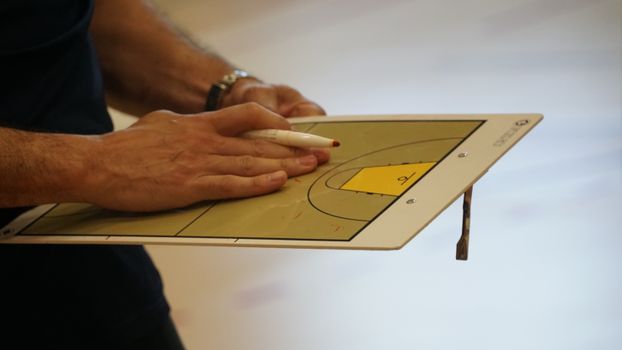
Coaching basketball at a high level is about much more than drawing up plays or yelling instructions from the sidelines. In today’s fast-evolving game, the most successful coaches are strategic leaders—those who blend deep technical knowledge with forward-thinking tactics, emotional intelligence, and innovative decision-making. To truly stand apart, coaches must cultivate advanced strategies that go beyond the basics of drills and in-game adjustments. This article dives deep into advanced tactics for basketball coaches, focusing on how to become a true strategic leader who inspires, adapts, and consistently puts their team in a position to succeed.
The Evolution of Basketball Strategy: Why Modern Coaches Must Adapt
Basketball has changed dramatically over the last two decades. The rise of the three-point shot, positionless basketball, and advanced analytics has transformed how teams operate. NBA teams, for instance, attempted an average of 34.2 three-pointers per game in the 2022-2023 season, compared to just 16.7 per game in 2010. This shift requires coaches at all levels to rethink traditional roles and approaches.
Modern strategic leaders are defined by their adaptability. They study trends, adopt new technologies, and are unafraid to challenge old conventions. Coaches like Erik Spoelstra of the Miami Heat or Becky Hammon, a WNBA champion coach, have succeeded not only by teaching fundamentals but by constantly evolving and leveraging new strategic insights.
.png)
To become a strategic leader, coaches must:
- Embrace data and technology for real-time decision-making - Develop versatile game plans tailored to varied opponents - Foster open communication and collaborative problem-solving - Prioritize player development within their tactical systemMastering Game Preparation: Advanced Scouting and Game Planning
A strategic leader goes beyond reviewing box scores and highlight reels. Advanced scouting requires a multi-layered approach to game preparation. This includes:
1. Opponent Tendencies: Strategic coaches use video analysis tools to break down opponent plays, defensive schemes, and player habits. For instance, software like Synergy Sports or Hudl can segment every pick-and-roll, post-up, or transition opportunity an opponent has used over an entire season. 2. Predictive Adjustments: Instead of simply reacting, leaders anticipate how opponents might adjust. For example, if a rival’s star player tends to drive left when pressured, a coach might design traps specifically to force right-handed drives. 3. Customized Practice Plans: Rather than generic drills, elite coaches simulate opponent-specific scenarios in practice. If facing a team known for aggressive full-court pressure, practices might feature time-limited inbound plays and fast-break drills under duress. 4. Data Integration: According to a 2023 survey by the National Association of Basketball Coaches, 68% of college programs now use advanced analytics to inform scouting and practice plans.| Scouting Method | Traditional Coach | Strategic Leader |
|---|---|---|
| Video Review | Watches full games for general patterns | Uses tagged clips to analyze specific plays and player actions |
| Practice Design | Standard drills, minimal opponent focus | Customizes drills for upcoming opponent’s tendencies |
| Technology Usage | Basic stat sheets | Advanced analytics dashboards and player tracking |
| Game Plan Adjustments | Reactive, based on in-game events | Predictive, plans counters for likely opponent adjustments |
In-Game Strategy: Dynamic Decision-Making and Tactical Flexibility
Once the game starts, even the best-laid plans can unravel. Strategic leaders excel in making real-time adjustments that can swing the momentum. Here’s how advanced coaches stay ahead:
- $1: With tablets and wearable tech, coaches can now access live data on player workloads, shot probabilities, and defensive mismatches. The Golden State Warriors, for example, use player tracking to determine optimal lineups on the fly. - $1: Strategic leaders teach their teams multiple variations of set plays, allowing them to pivot quickly if the first option is denied. This adaptability is crucial in high-stakes games where opponents are well-prepared. - $1: NBA data shows that teams led by coaches who call timeouts during opponent runs stop the bleeding 62% of the time, compared to just 48% for less proactive coaches. Knowing when and how to use timeouts can save games. - $1: Instead of sticking to rigid substitution patterns, leaders mix lineups to exploit specific matchups or to rest key players during low-leverage stretches.Example: During the 2023 NCAA Tournament, Miami’s Jim Larrañaga used a 3-guard lineup to exploit slower defenders, resulting in a 14-point swing in the Sweet 16 matchup.
Building a Basketball Culture: Leadership, Communication, and Trust
A strategic leader’s true impact is often felt off the court. Creating a culture where players trust the process and each other is foundational to any sustained success.
- $1: Strategic coaches hold regular one-on-one meetings, conduct team surveys, and encourage feedback. A 2023 Harvard study found that basketball teams with high “psychological safety” (the belief that one can speak up without fear) outperformed others by 19% in win percentage. - $1: Leaders delegate responsibility through “player leadership councils” or by assigning scouting duties to veteran players. This not only prepares athletes for life beyond playing but also fosters a sense of ownership within the team. - $1: Strategic leaders address issues directly and constructively. For instance, Phil Jackson, who won 11 NBA titles, was known for facilitating team meetings where players could air grievances and find solutions together. - $1: In multicultural teams, acknowledging and embracing different backgrounds can unify the group. Coaches who invest time in understanding their players’ cultures often report lower turnover and higher morale.Leveraging Technology and Analytics for a Competitive Edge
The best basketball minds now rely on a blend of intuition and hard data. Here’s how advanced coaches use technology to sharpen their strategy:
- $1: Devices like Catapult or Whoop bands track player heart rates, movement, and fatigue. Coaches use this information to optimize rest and prevent injuries. According to Catapult, teams using their system saw a 17% decrease in soft-tissue injuries over a season. - $1: Systems like Noah Basketball provide real-time feedback on shot arc, depth, and left-right deviation. Teams using Noah have reported a 3-5% increase in shooting percentages after a season of use. - $1: Analytics platforms such as Second Spectrum analyze which five-man units perform best against certain opponents, helping coaches make data-driven substitution decisions. - $1: VR platforms allow players to simulate in-game scenarios and review plays from a first-person perspective, improving decision-making speed. Stanford University’s basketball program implemented VR in 2022, and player decision-making times improved by 18% on average.Developing the Next Generation: Mentoring Assistant Coaches and Staff
A true strategic leader doesn’t just develop players—they build future leaders. Investing in the growth of assistant coaches and support staff ensures organizational success and continuity.
- $1: Give assistants ownership of specific areas, such as defense, player development, or analytics. This not only eases the head coach’s burden but also prepares assistants for future head coaching roles. - $1: Encourage staff to attend coaching clinics, pursue certifications, and network with other professionals. The Women’s Basketball Coaches Association found that programs investing in staff development saw a 22% increase in coaching retention. - $1: Hold regular debriefs after games and practices, where assistants can present insights and propose adjustments. This collaborative environment breeds innovation and accountability. - $1: Prepare for inevitable staff changes by maintaining a “bench” of skilled assistants ready to step up. For example, the San Antonio Spurs have produced multiple NBA head coaches, thanks in part to Gregg Popovich’s mentoring approach.Final Thoughts on Becoming a Strategic Leader in Basketball Coaching
Basketball’s landscape is more competitive—and more complex—than ever before. To rise above, coaches must go beyond the fundamentals and embrace the advanced tactics of strategic leadership. This means mastering opponent analysis, leveraging technology, fostering a high-trust team culture, and investing in the professional growth of everyone in the program.
By integrating these advanced tactics, coaches not only win more games but also build resilient programs and lasting legacies. The path to true strategic leadership is challenging, but for those willing to adapt, innovate, and inspire, the rewards extend far beyond the scoreboard.