Choosing the Right Basketball Shoes: A Player-Specific Guide
Basketball is a game of skill, speed, and explosive movement, and the right pair of shoes can make all the difference between a great performance and a potential injury. With more than 450 million people playing basketball worldwide, according to FIBA, the global market for basketball footwear has become both vast and specialized. Yet, many players are unsure how to select shoes tailored to their unique playing style, position, and foot anatomy. This article will walk you through the essential factors to consider when choosing basketball shoes for different types of players, ensuring every stride, pivot, and jump is supported.
Understanding Player Types and Their Shoe Needs
Before heading to the store or browsing online, it’s crucial to identify what kind of basketball player you are. NBA athletes often work with shoe designers to create models suited to their strengths—LeBron James, a power forward, wears shoes with maximum cushioning and ankle support, while point guards like Steph Curry favor lighter, more responsive shoes for speed and agility.
Generally, basketball players can be classified into three broad categories based on their playing style and position:
.png) 1. Guards (point guards and shooting guards): Known for quickness, sharp cuts, and agility.
2. Forwards (small forwards and power forwards): Combine speed with strength, often playing inside and outside.
3. Centers: Focus on rebounding, post moves, and protecting the paint, demanding maximum support and cushioning.
1. Guards (point guards and shooting guards): Known for quickness, sharp cuts, and agility.
2. Forwards (small forwards and power forwards): Combine speed with strength, often playing inside and outside.
3. Centers: Focus on rebounding, post moves, and protecting the paint, demanding maximum support and cushioning.
Each type requires distinct shoe features to optimize performance and reduce the risk of injury.
Key Features to Consider in Basketball Shoes
Basketball shoes are engineered with a blend of technologies to enhance performance and safety. When shopping, focus on these critical components:
- Cushioning: Cushioning absorbs shock from running and jumping. Brands use proprietary foams like Nike Zoom Air, Adidas Boost, or Under Armour Micro G. For example, studies show that proper cushioning can reduce impact forces by up to 30%, minimizing stress on joints. - Traction: Good grip is essential for quick stops and changes of direction. Herringbone and hexagonal patterns are popular on outsoles, offering multidirectional traction. - Ankle Support: High-tops offer more ankle coverage, often favored by forwards and centers. Guards may prefer mid or low-tops for flexibility. - Fit and Lockdown: A secure fit prevents slippage and blisters. Look for shoes with adjustable lacing systems, sturdy heel counters, and supportive overlays. - Weight: Lighter shoes help with speed but may offer less support.It’s estimated that the average basketball player covers 2.55 miles in a single game, with up to 46 jumps. The right shoe can significantly reduce fatigue and injury risk over time.
Position-Specific Shoe Selection: What Works Best?
The demands placed on a player’s body vary by position, so understanding which shoes work best for each is key:
Guards: - Need: Speed, agility, and quick changes of direction. - Best Features: Low or mid-top shoes with lightweight construction and excellent traction. - Example: Nike Kyrie series offers responsive cushioning and advanced grip for guards. Forwards: - Need: Balance of speed and power, both on the perimeter and in the post. - Best Features: Mid-top shoes with moderate cushioning and lateral support. - Example: Adidas Harden line provides a mix of comfort, support, and court feel. Centers: - Need: Maximum support for jumping, landing, and battling in the paint. - Best Features: High-top shoes with robust cushioning and reinforced ankle support. - Example: Under Armour Embiid One features a high-top design and extra padding for centers.Comparing Basketball Shoe Features by Player Type
To help you visualize the differences, here’s a comparison table of shoe features by player type:
| Player Type | Optimal Shoe Height | Key Features | Popular Models |
|---|---|---|---|
| Guards | Low to Mid | Lightweight, Responsive Cushioning, Advanced Traction | Nike Kyrie, Adidas Dame, Under Armour Curry |
| Forwards | Mid | Balanced Cushioning, Lateral Support, Versatile Traction | Adidas Harden, Nike LeBron (lower models), Puma Uproar |
| Centers | High | Maximum Cushioning, Ankle Support, Durable Construction | Under Armour Embiid, Nike Air Max, Adidas Pro Bounce |
This table highlights that shoe selection isn’t just about aesthetics or endorsements—it should be grounded in performance and safety needs.
Consider Foot Shape and Injury History
Foot anatomy plays a significant role in shoe selection. Studies show that 60% of basketball players suffer from foot or ankle injuries during their careers, often linked to improper footwear.
- Wide Feet: Brands like New Balance and certain Adidas lines offer wider toe boxes. - Flat Feet: Look for shoes with enhanced arch support or the ability to use custom orthotics. - High Arches: Shoes with more flexible midsoles help distribute pressure evenly.If you’ve experienced past ankle sprains or plantar fasciitis, prioritize shoes with reinforced support and ample cushioning. It’s recommended to replace basketball shoes every 70-100 hours of play, or every 4-6 months for active players, to maintain optimal protection.
How Playing Surface Impacts Shoe Choice
Not all basketball shoes are created equal when it comes to court surfaces. About 30% of recreational games are played outdoors, where surfaces are rougher and more abrasive than indoor hardwood.
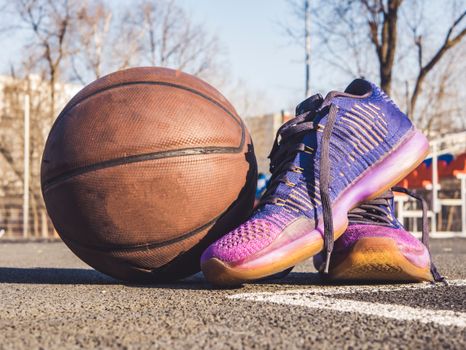
- Indoor Courts: Most shoes are designed for indoor play, with softer rubber outsoles offering superior grip but wearing down quickly on outdoor surfaces. - Outdoor Courts: Opt for shoes with thicker, more durable outsoles. Outdoor-specific models like the Nike Air Zoom BB NXT or Adidas Streetball can withstand the rigors of asphalt and concrete.Using the wrong shoe on an inappropriate surface not only leads to quicker wear but can compromise safety, as traction patterns designed for hardwood may slip on dusty outdoor courts.
Budget and Brand Considerations: Value vs. Hype
While signature shoes from NBA stars can cost upwards of $200, there are excellent models available at a fraction of the price. According to a 2023 Statista report, the average price of a basketball shoe in the U.S. is $115, with many high-performing options between $60 and $120.
- Don’t be swayed solely by endorsements. Focus on fit, function, and comfort. - Try shoes on at the end of the day when feet are swollen for the most accurate fit. - Consider previous models or less-hyped lines for better value—last year’s signature shoes often drop in price without a significant performance difference.Final Thoughts on Finding Your Perfect Basketball Shoes
Choosing the right basketball shoes is a personal journey shaped by your playing style, position, foot anatomy, and the surfaces you play on. Prioritize support, fit, and performance features over style or brand loyalty. Remember, the right pair of shoes not only boosts your confidence on the court but also plays a crucial role in preventing injuries. By considering the guidance above, you'll be well-equipped to select basketball footwear that helps you play at your best, game after game.