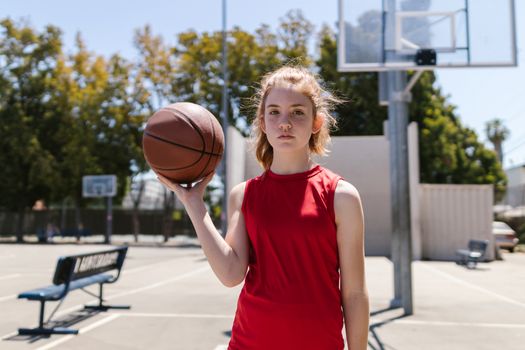
Every young basketball player dreams of sinking game-winning shots, dazzling crowds with quick crossovers, and earning a spot on the starting lineup. But talent alone isn’t enough—consistent, structured training is the real key to improvement. The big question for parents, coaches, and young athletes is: how often should young players train to truly get better at basketball? Striking the right balance between practice, rest, and other commitments is crucial for both development and long-term love of the game. In this article, we’ll break down the science, expert recommendations, and practical examples for building an effective basketball training schedule for young players.
The Science Behind Training Frequency and Skill Development
Training frequency—how many times per week a young player practices—has a direct impact on skill growth, physical development, and injury risk. Research in youth sports shows that regular, moderate exposure to basketball skills and drills accelerates improvement in areas like shooting, ball-handling, and defensive movements. However, overtraining can increase the risk of fatigue, burnout, and even long-term injuries.
A landmark 2016 study published in the $1 found that young athletes who specialized in a single sport and trained more than 8 months per year were 70% more likely to experience overuse injuries than those who diversified their activities. The American Academy of Pediatrics recommends that school-aged children spend no more than 18-20 hours per week in organized sports (combining games, practices, and conditioning), emphasizing that younger players need ample rest and free play.
.png) Key Facts:
- The optimal frequency for skill acquisition is 3-5 focused sessions per week, according to the National Basketball Association’s youth guidelines.
- Rest days are essential for muscle recovery and mental rejuvenation, especially during growth spurts.
- Shorter, high-quality training sessions (45-90 minutes) are more effective for young players than long, exhaustive workouts.
Key Facts:
- The optimal frequency for skill acquisition is 3-5 focused sessions per week, according to the National Basketball Association’s youth guidelines.
- Rest days are essential for muscle recovery and mental rejuvenation, especially during growth spurts.
- Shorter, high-quality training sessions (45-90 minutes) are more effective for young players than long, exhaustive workouts.
Training Frequency by Age Group: What Experts Recommend
Not all young basketball players are at the same stage of physical or mental development. Age and maturity play a major role in determining the best training schedule.
| Age Group | Recommended Frequency | Session Duration | Focus Areas |
|---|---|---|---|
| 6-9 years | 1-2 times/week | 30-60 minutes | Fun, basic skills, movement |
| 10-12 years | 2-3 times/week | 45-75 minutes | Skill development, teamwork |
| 13-15 years | 3-4 times/week | 60-90 minutes | Technique, fitness, tactics |
| 16-18 years | 4-5 times/week | 75-120 minutes | Advanced skills, conditioning, competition |
This table summarizes the general consensus among sports scientists and professional organizations. For very young children, fun and enjoyment are the priorities. As players grow, practices can become more frequent and structured, but it’s essential to monitor each athlete’s response and avoid pushing too hard.
Balancing Basketball with Other Activities and Schoolwork
For most young players, basketball is just one part of a busy life. School, homework, family time, and other sports all compete for attention. It’s important to create a training schedule that fits into the bigger picture—overloading a young athlete’s week can lead to stress and diminishing returns.
A 2023 survey from the Aspen Institute’s Project Play found that the average American child participates in organized sports for 11.9 hours per week. However, those who play multiple sports or engage in free play are less likely to drop out or report burnout. Additionally, the NCAA reports that only about 3.5% of high school boys’ basketball players go on to play at the college level, underscoring the importance of well-rounded development and education.
Tips for Balance: - Plan basketball practices around school workload and exams - Encourage participation in other sports or physical activities, especially in off-seasons - Make sure at least one day per week is completely free from organized sports - Watch for signs of stress or fatigue and adjust as neededQuality vs. Quantity: What Matters Most in Basketball Training
It’s easy to think “more is better,” but in basketball, the quality of training beats the quantity of hours spent on the court. A well-structured, focused session—whether it’s individual skills, team drills, or scrimmages—yields better long-term results than long, unfocused practices.
A 2019 analysis by the International Journal of Sports Science & Coaching showed that players who engage in “deliberate practice”—purposeful, structured, and feedback-driven—improve their performance at almost twice the rate of those who just “play around” or attend unstructured sessions. For example, spending 20 minutes on targeted shooting drills, with immediate feedback and correction, can be more effective than an hour of casual shooting.
Key Strategies for Quality Training: - Begin each session with a clear goal (e.g., improving free throws, mastering defensive footwork) - Incorporate varied drills to keep engagement high and skills sharp - Use small-sided games (2v2, 3v3) to simulate real game situations and decision-making - Schedule regular rest and reflection to reinforce learningSeasonal Adjustments: Off-Season, Pre-Season, and In-Season Training
Basketball isn’t played with the same intensity year-round. The best young training programs adjust the frequency and focus of practice based on the time of year.
Off-Season (Spring/Summer): - Frequency: 2-3 times/week - Emphasis on skill development, physical conditioning, and trying new moves - Lower pressure, more room for experimentation Pre-Season (Late Summer/Early Fall): - Frequency: 3-5 times/week - Focus shifts to team tactics, conditioning, and game readiness - Sessions may become longer and more intense In-Season (Winter/Early Spring): - Frequency: 2-4 times/week (plus games) - Maintenance of skills, injury prevention, and strategic adjustments - Prioritize recovery and mental preparationA well-designed annual plan ensures players don’t burn out and continue to grow. For example, NBA Youth Basketball recommends at least 2 months per year completely off from organized basketball to allow for rest, alternative activities, and injury prevention.
Warning Signs of Overtraining and Burnout
Despite best intentions, some young players push themselves too hard, especially those with dreams of making elite teams. Overtraining can show up as nagging injuries, persistent fatigue, irritability, or even a loss of enthusiasm for the game.
Statistics from the American Orthopaedic Society for Sports Medicine indicate that up to 50% of all sports injuries in youth are related to overuse, with basketball ranking among the top five sports for such injuries. Common overuse problems include stress fractures, tendonitis, and joint pain.
How to Spot and Prevent Burnout: - Watch for changes in mood, sleep, or appetite - Monitor for recurring pain or injuries that won’t heal - Make sure the athlete is still having fun and looks forward to practices - Encourage honest communication between players, parents, and coachesIf signs of burnout or overuse appear, reduce training frequency, prioritize rest, and seek medical advice if necessary.
Final Thoughts on Optimal Training Frequency for Young Basketball Players
The journey to becoming a skilled basketball player is a marathon, not a sprint. Young athletes benefit most from a balanced, age-appropriate training schedule that allows for steady improvement, rest, and enjoyment of the game. Most experts agree that 3-5 well-structured sessions per week is the “sweet spot” for serious improvement, but individual needs vary based on age, skill level, and life outside basketball. By focusing on quality, listening to the athlete’s body, and keeping basketball fun, young players can maximize their potential and develop a lifelong love for the sport.