Planning Dynamic and Effective Training Sessions for Young Basketball Players
Youth basketball is about more than just learning how to dribble and shoot. For young athletes, every training session presents an opportunity to develop skills, build confidence, and foster a lifelong love for the game. But how can coaches and parents make sure each session is both effective and engaging? Strategic planning is essential. In this guide, we’ll explore proven methods for designing impactful training sessions tailored specifically for young basketball players, with a focus on structure, age-appropriate drills, motivation, and progress tracking.
Understanding the Unique Needs of Young Basketball Players
Children and teenagers are not simply “mini-adults” on the basketball court. Their physical, cognitive, and emotional development stages require a thoughtful approach to training. According to the American Academy of Pediatrics, children between ages 7-13 gain coordination and basic motor skills rapidly, but their attention spans remain shorter than older teens. This means that training sessions should prioritize variety, fun, and skill progression without overwhelming complexity.
Statistics show that 70% of kids quit sports by age 13, often citing “it’s not fun anymore” as a primary reason. Keeping sessions enjoyable and developmentally appropriate is crucial to long-term engagement. Coaches should aim for an optimal balance between skill development, game understanding, and social interaction.
.png)
Structuring a Balanced Basketball Training Session
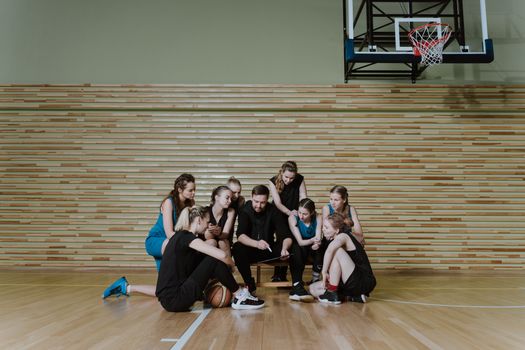
A well-planned basketball session is like a well-organized lesson: it has a clear objective, a logical sequence of activities, and built-in opportunities for feedback. Here’s a proven structure that can maximize both enjoyment and skill acquisition:
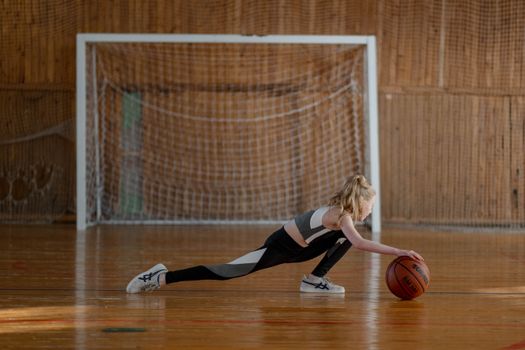
1. Warm-Up (10-15 minutes): Start with dynamic stretches and movement games that mimic basketball actions. This prevents injuries and gets players mentally prepared. 2. Fundamental Skills (20-30 minutes): Focus on one or two core skills per session—such as passing, dribbling, or layups. Rotate through these skills over the season for comprehensive growth. 3. Small-Sided Games (15-20 minutes): Use 2-on-2 or 3-on-3 games to encourage more touches of the ball and decision-making. 4. Team Concepts (10-15 minutes): Introduce basic team play ideas, such as spacing, defense, or simple plays, adjusted for the group’s age and ability. 5. Cool Down & Review (5-10 minutes): Gentle stretching and a brief discussion reinforce what was learned and allow for player feedback.This structure ensures that sessions remain focused, active, and purposeful. A 2021 survey by the National Alliance for Youth Sports found that sessions of 60-75 minutes are ideal for most 8-14 year-olds—long enough for learning, short enough to maintain enthusiasm.
Age-Appropriate Drills and Activities
Not all drills are created equal, especially for young players. The key is selecting activities that match their current abilities and challenge them just enough to promote growth. Here’s a comparison of suitable drills for different age groups:
| Age Group | Recommended Drill Types | Focus Areas |
|---|---|---|
| 6-8 years | Tag games, dribble relays, shooting at lower hoops | Coordination, basic ball control, fun |
| 9-11 years | Station drills, passing games, footwork ladders | Skill refinement, teamwork, agility |
| 12-14 years | Defensive slides, layup progression, pick-and-roll basics | Advanced skills, game understanding, competition |
For example, with younger kids, “Red Light, Green Light” can be adapted to dribbling to make skill work engaging. For pre-teens, competitive passing games or shooting contests build skills and foster healthy rivalry. By the early teens, more structured drills like defensive closeouts or 3-on-2 fast breaks can be introduced.
Incorporating Motivation and Positive Reinforcement
Motivation is a cornerstone of effective youth coaching. Research from the Positive Coaching Alliance shows that players who receive at least five pieces of positive feedback for every correction are more likely to persist and enjoy their sport. Here are strategies to keep young players motivated:
- Set achievable short-term goals for each session, such as “everyone makes five layups with their non-dominant hand.” - Use praise that highlights effort (“Great hustle on defense!”) rather than just outcomes. - Allow players to lead warm-ups or suggest drills, giving them ownership of the session. - Celebrate small victories and improvement over time, not just game wins.A 2018 study found that teams using a positive coaching approach saw a 20% increase in attendance and a significant reduction in player drop-out rates.
Tracking Progress and Adapting Over Time
Consistent progress monitoring helps ensure that training sessions remain effective and relevant. Simple assessment tools can be used to track individual and team improvements, such as:
- Skill checklists: Document how each player performs basic skills at the start, middle, and end of a season. - Video analysis: Use a smartphone to record drills or scrimmages, then review as a group. Visual feedback is particularly effective for young learners. - Player journals: Encourage players to jot down what they learned or what they want to improve, fostering self-reflection.Adapt sessions based on these insights. For example, if several players struggle with left-handed dribbling, dedicate more time to ambidextrous drills. If attention lags during team tactics, shorten those segments and reintroduce them gradually.
According to the Aspen Institute’s Project Play, youth athletes who see measurable improvement in their skills report higher enjoyment and are 30% more likely to continue participating in sports the following year.
Fostering a Safe and Inclusive Environment
Safety and inclusivity should be at the heart of every youth basketball training session. This not only minimizes injuries but also ensures that every participant feels valued. Here are some best practices:
- Adjust drills and equipment to match physical differences (e.g., lower rims, lighter balls for younger kids). - Rotate player positions so everyone experiences different roles on the court. - Address bullying or exclusion immediately—emphasize respect and teamwork. - Ensure all players get equal playing time, regardless of ability.A 2020 report by Safe Sport International found that inclusive, supportive sports environments lead to a 40% increase in player retention and satisfaction.
Final Thoughts on Planning Basketball Training for Youth
Designing effective basketball training sessions for young players is both an art and a science. By understanding the developmental needs of children and teens, structuring practices for variety and engagement, using age-appropriate drills, fostering motivation, and tracking progress, coaches and parents can create an environment where every athlete thrives. The most successful programs are those that prioritize fun, skill development, and personal growth, setting the stage for a lifelong connection to the game.