Sinking the Shot: Essential Principles and Proven Techniques to Improve Basketball Shooting Accuracy
Basketball is a game of split-second decisions, dynamic movement, and, above all, the quest to put the ball in the basket. While dribbling, passing, and defense are vital, shooting remains the skill that defines the outcome of every game. Whether you’re a weekend warrior, a school team hopeful, or an aspiring pro, understanding the basic principles of shooting in basketball—and mastering the techniques behind accurate shots—can elevate your play and confidence on the court. In this comprehensive guide, we’ll break down the science and art of basketball shooting, highlight data-backed methods to boost accuracy, and offer actionable advice to help you develop a smooth, consistent, and reliable shot.
The Foundation: Key Principles Behind Accurate Basketball Shooting
Shooting success doesn’t rely on raw talent alone; it’s grounded in the mastery of fundamental principles. These core concepts create the foundation for consistent shot-making, regardless of your position or experience level. Let’s examine the four pillars of effective shooting:
.png) 1. $1: Good shots begin from the ground up. Proper balance allows for better control and power. NBA shooting coach Dave Hopla emphasizes, “Your feet are the foundation. If you’re off-balance, your shot will be too.” A shoulder-width stance, knees slightly bent, and weight evenly distributed prime your body for smooth movement.
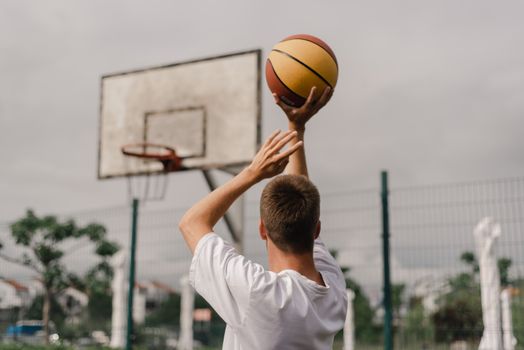
2. $1: The way you hold the ball influences shot accuracy. The shooting hand should be under the ball, fingertips spread comfortably, while the guide hand rests to the side. A light grip—imagine holding an egg—prevents tension and enables a natural release.
3. $1: Studies, including research from the Journal of Sports Sciences, show that shooters who focus on the back of the rim or the center of the hoop have a higher field goal percentage than those who watch the ball. Visual focus is a small detail that can improve accuracy by up to 10%.
4. $1: The classic “gooseneck” follow-through is more than just a textbook pose. It ensures your wrist snaps correctly, imparting backspin and guiding the ball’s arc. Consistent follow-through is associated with improved shooting percentages, especially under pressure.
1. $1: Good shots begin from the ground up. Proper balance allows for better control and power. NBA shooting coach Dave Hopla emphasizes, “Your feet are the foundation. If you’re off-balance, your shot will be too.” A shoulder-width stance, knees slightly bent, and weight evenly distributed prime your body for smooth movement.
2. $1: The way you hold the ball influences shot accuracy. The shooting hand should be under the ball, fingertips spread comfortably, while the guide hand rests to the side. A light grip—imagine holding an egg—prevents tension and enables a natural release.
3. $1: Studies, including research from the Journal of Sports Sciences, show that shooters who focus on the back of the rim or the center of the hoop have a higher field goal percentage than those who watch the ball. Visual focus is a small detail that can improve accuracy by up to 10%.
4. $1: The classic “gooseneck” follow-through is more than just a textbook pose. It ensures your wrist snaps correctly, imparting backspin and guiding the ball’s arc. Consistent follow-through is associated with improved shooting percentages, especially under pressure.
By internalizing these core principles, you set the stage for the more advanced techniques explored in the following sections.
Biomechanics of a Perfect Shot: What Science Says
Shooting isn’t just art; it’s physics in motion. Understanding the biomechanics behind a great shot can help you refine your form and maximize efficiency.
A study published in the Journal of Biomechanics analyzed over 500 jump shots from collegiate players and found that optimal shooting mechanics involve:
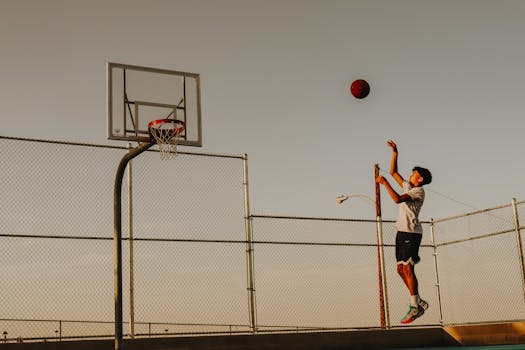
- $1: The ideal release angle for a three-point shot is between 48 and 52 degrees. Higher angles result in a softer shot and a greater chance of the ball dropping in, even on slight miscalculations. - $1: Quick releases (under 0.7 seconds from catch to shot) increase success rates by reducing defensive interference, especially at higher levels of play. - $1: A properly spun ball (approximately 2 revolutions per second) creates a cushioning effect when it hits the rim, increasing the probability of favorable bounces.These findings underscore why coaches drill players on repetition and muscle memory. By ingraining proper biomechanics, you can achieve more reliable results, even in high-pressure scenarios.
Common Shooting Styles: Comparing Techniques and Outcomes
Basketball is rich with unique shooting styles, from set shots to jump shots and everything in between. No two players shoot exactly alike, but most successful shooters adhere to a handful of proven techniques. Here’s a comparison of the most common shooting styles:
| Shooting Style | Description | Typical Use | Pros | Cons |
|---|---|---|---|---|
| Set Shot | Feet remain on the floor; minimal jump | Free throws, stationary shooting | High control, less energy required | Easier to defend, limited range |
| Jump Shot | Shooter leaves the floor for elevation | Mid-range, perimeter, contested shots | Harder to block, greater range | Requires timing, more physical effort |
| Fadeaway | Shooter jumps backward while shooting | Over taller defenders, isolation plays | Difficult to defend, creates space | Lower accuracy, tough to master |
| Floater/Runner | One-handed shot while moving | In the paint, over shot blockers | Quick release, avoids blocks | Requires touch, risk of off-balance |
While the jump shot dominates modern basketball—accounting for over 60% of field goal attempts in the NBA—the best shooters often adapt their style to the situation. Experiment with each technique in practice to discover which suits your body type, strengths, and game scenarios.
Effective Drills to Sharpen Your Shooting Accuracy
Drills are the bridge between theory and real-game performance. Incorporating targeted shooting drills into your routine can significantly raise your field goal percentage. Here are four proven exercises, backed by coaches and trainers:
1. $1: Start just a few feet from the hoop, focusing solely on your mechanics—stance, grip, and follow-through. Make 50 perfect swishes before stepping back. This drill builds muscle memory and confidence. 2. $1: Select five spots around the arc (corners, wings, top). Take 10 shots from each, aiming for a 70% make rate before progressing. NBA players like Stephen Curry have popularized this routine, emphasizing volume and consistency. 3. $1: Simulate game conditions by running to a spot, catching a pass, and shooting in rhythm. Incorporate defenders or obstacles to add pressure. Research from the National Strength and Conditioning Association found that players who practice at game speed improve their in-game shooting accuracy by up to 15%. 4. $1: Start from the perimeter, take a dribble in either direction, and shoot in motion. This drill develops balance, footwork, and the ability to create your own shot—crucial for beating defenders.Consistency is key: Aim for at least 300-500 shots per session, three to four times per week. Track your makes and misses to monitor progress objectively.
Advanced Tips: Mental Techniques and Visualization for Accuracy
Physical practice is only half the battle. The mental side of shooting can make or break your performance, especially in crunch time. Here’s how to tap into the power of your mind:
- $1: Before stepping onto the court, close your eyes and imagine yourself executing flawless shots. A 2019 study in the Journal of Applied Sport Psychology found that athletes who engaged in visualization routines improved their shooting accuracy by 12% compared to those who did not. - $1: Develop a consistent pre-shot routine—dribbles, breath, focus point. This ritual calms nerves and triggers muscle memory. For example, NBA legend Ray Allen followed the same free throw routine for over 18 years, contributing to his career 89.4% accuracy from the line. - $1: Replace doubt with constructive cues (“smooth follow-through,” “eyes on the rim”). Research shows that positive affirmations can reduce anxiety and boost performance under pressure. - $1: Even elite shooters miss. The ability to forget the last miss and approach the next shot with confidence is a hallmark of great players. Adopt the mantra: “Next shot, best shot.”Tracking Progress: Using Data to Improve Your Shooting
Improvement requires honest assessment. With technology and simple tracking methods, you can quantify your shooting gains and identify areas for refinement.
- $1: Mark your makes and misses from various spots on the court. Over time, patterns emerge, revealing hot zones and weak spots. - $1: Calculate your success rate per drill, session, or week. The NCAA average field goal percentage for guards is about 42%; use this as a benchmark and aim to surpass it. - $1: Record your form and review footage to catch subtle mechanical flaws. Many NBA teams use slow-motion playback to fine-tune their stars’ shots.Embrace feedback and set specific, measurable goals. For example: “Increase corner three-point percentage from 30% to 40% in six weeks.” This approach keeps you motivated and accountable.
Lasting Improvement: Building a Shooter’s Mindset for Basketball Success
Shooting perfection is a journey, not a destination. By mastering the basic principles—balance, grip, focus, and follow-through—and complementing them with biomechanical understanding, diverse techniques, purposeful drills, and mental toughness, you can transform your shot into a consistent weapon.
Remember: Even the world’s best shooters, from Klay Thompson to Diana Taurasi, spend hours in the gym refining small details. Prioritize quality reps over quantity, stay patient through the inevitable slumps, and trust the process. With time, your improved technique and confidence will shine, whether you’re playing pickup in the park or under the bright lights of competition.