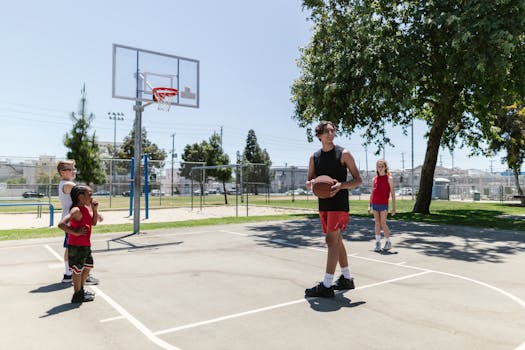
Basketball is more than just a sport for many children; it’s a dynamic pathway to building physical fitness, teamwork, self-discipline, and confidence. As parents and coaches seek to nurture young talent, one question frequently arises: How often should children participate in basketball training for maximum improvement? Striking the right balance is crucial—overtraining can lead to burnout and injury, while too little practice may slow progress. This article explores the factors influencing optimal basketball training frequency for kids, offers practical guidelines based on age and development, and provides insights from sports science and real-world examples.
The Science Behind Youth Sports Training Frequency
Children’s bodies and minds differ significantly from adults, and their response to training requires special consideration. According to the American Academy of Pediatrics, children benefit most from moderate, regular exercise that prioritizes skill development over intense competition, especially before adolescence.
A 2022 study published in the Journal of Sports Sciences found that youth athletes who practiced their sport three to four times per week demonstrated the most significant skill gains and maintained a positive attitude toward training. Meanwhile, those with more than five sessions weekly were at a higher risk of overuse injuries and reported greater signs of psychological burnout.
.png) Key facts:
- Children ages 6-12 should participate in organized physical activity for at least 60 minutes daily (CDC recommendation), but this can include a mix of sports, not just basketball.
- Over 50% of youth basketball injuries are attributed to overuse, often linked to excessive training or lack of rest days.
- Skill acquisition, especially in complex sports like basketball, is most effective when practice is consistent, varied, and enjoyable.
Key facts:
- Children ages 6-12 should participate in organized physical activity for at least 60 minutes daily (CDC recommendation), but this can include a mix of sports, not just basketball.
- Over 50% of youth basketball injuries are attributed to overuse, often linked to excessive training or lack of rest days.
- Skill acquisition, especially in complex sports like basketball, is most effective when practice is consistent, varied, and enjoyable.
Age-Specific Recommendations for Basketball Training
The ideal training schedule for maximum improvement depends heavily on a child’s age and stage of development. Here’s a closer look at recommended frequencies for different age groups:
| Age Group | Recommended Weekly Sessions | Session Duration | Focus Areas |
|---|---|---|---|
| 5-7 years | 1-2 sessions | 30-45 minutes | Basic motor skills, fun, teamwork |
| 8-10 years | 2-3 sessions | 45-60 minutes | Fundamental skills, coordination |
| 11-13 years | 3-4 sessions | 60-75 minutes | Advanced skills, game concepts |
| 14-16 years | 4-5 sessions | 75-90 minutes | Specialization, physical conditioning |
It’s essential to remember that these are guidelines, not rigid rules. Children develop at different rates, and individual needs may vary. For younger children, the primary goal should be fostering a love for the game and developing basic movement patterns. As kids approach their teenage years, training can become more structured and focused on skill refinement and competition.
Balancing Skill Development and Rest for Maximum Progress
One of the most common mistakes in youth sports is the “more is better” mentality. While repetition is vital for skill mastery, rest and recovery are equally important. The National Basketball Association’s Jr. NBA program recommends at least one to two rest days per week, regardless of age or ability level.
Rest days serve two critical purposes: 1. Physical Recovery: Prevents overuse injuries such as Osgood-Schlatter disease, stress fractures, and tendonitis, which account for a significant portion of sports-related doctor visits among young athletes. 2. Mental Refreshment: Reduces the risk of burnout, anxiety, and loss of motivation. According to Project Play, 70% of children quit organized sports by age 13, often due to excessive pressure and lack of enjoyment.Parents and coaches should monitor for warning signs of overtraining, including persistent fatigue, declining performance, mood changes, and recurring injuries. Integrating other activities or sports can also help prevent monotony and support overall athletic development.
The Role of Individualization in Basketball Training Schedules
No two children are exactly alike. Differences in physical maturity, motivation, experience, and goals mean that the “ideal” training frequency should be tailored to each child. For example: - A 9-year-old new to basketball may thrive with two short, enjoyable practices per week. - A 13-year-old preparing for a school team might benefit from four focused sessions, including skill drills, team play, and individual practice.Communication is key. Coaches and parents should regularly check in with young athletes about their feelings toward training, school workload, and other commitments. Flexibility in scheduling—allowing for missed sessions due to illness, family events, or academic pressure—can help maintain a healthy balance.
Integrating Quality Over Quantity: What Makes Training Effective?
It’s not just how often children train, but how they train that matters most. Studies show that deliberate, purposeful practice is far more effective than simply increasing the number of hours spent on the court. Effective basketball training for kids should include: - Structured skill drills (e.g., shooting, passing, dribbling) - Small-sided games that encourage decision-making and creativity - Physical conditioning appropriate for age and development - Time for free play and experimenting with new movesA 2020 survey by the Aspen Institute found that youth athletes who engaged in varied, high-quality practice sessions showed 23% more improvement in skill tests over a season compared to those with repetitive, unstructured training.
Coaches can enhance session quality by setting clear objectives, offering positive feedback, and adapting activities to suit individual and group needs. Encouraging peer support and fostering a growth mindset also contribute to a more productive learning environment.
Case Study: Real-World Examples of Successful Training Schedules
To illustrate the impact of training frequency and structure, let’s look at two real-life youth basketball programs:
- The Chicago Youth Hoops Academy (ages 8-13) schedules three sessions per week, each lasting one hour. Their focus is on skill fundamentals, teamwork, and fun scrimmages. Over a 12-week season, 88% of participants showed measurable improvement in dribbling and shooting accuracy, with zero reported cases of overuse injury. - The Amsterdam Junior Basketball Club (ages 12-16) uses a four-day-a-week model (three team practices, one optional individual skills session). They emphasize rest days and cross-training in other sports. Over five years, their retention rates are 30% higher than the regional average, and their teams consistently reach local finals.These examples highlight the value of consistent yet balanced training, with a clear emphasis on both skill progression and athlete well-being.
Why the Right Training Frequency Matters for Young Basketball Players
Finding the optimal basketball training frequency for children is about much more than simply maximizing skill improvement. It’s about nurturing a lifelong love of the game, supporting physical and mental health, and building habits that benefit young athletes on and off the court.
Research consistently shows that 2-4 well-structured sessions per week, combined with adequate rest and high-quality coaching, delivers the best long-term results for most children. Flexibility, individualization, and a focus on enjoyment are essential components of any effective basketball development program.
Ultimately, the right approach helps children grow as players and as people—giving them the confidence, resilience, and teamwork skills that will serve them for life.