Mastering Your Shot: How to Improve Shooting Skills in Basketball for Beginners
Shooting is at the heart of basketball — it’s the skill that turns hard-earned possessions into points and can make or break a game. For beginners, mastering shooting techniques can feel overwhelming: from grip and stance to release and follow-through, there’s a lot to learn. Yet, with the right approach, anyone can develop a reliable shot.
In this guide, we’ll break down proven exercises, actionable tips, and practice routines tailored for those just starting out. You’ll discover how to build strong fundamentals, how to track your progress, and which drills offer the most benefit for new players. Whether you’re aiming to sink your first jump shot or looking to develop consistency, this article will help you launch your basketball journey with confidence.
The Foundation: Understanding Shooting Mechanics
Before diving into drills, it’s essential to grasp the core components of proper shooting mechanics. Many beginners overlook the importance of form, but studies show that players who focus on fundamentals early see measurable improvements in accuracy and confidence.
.png)
Key elements of shooting mechanics include:
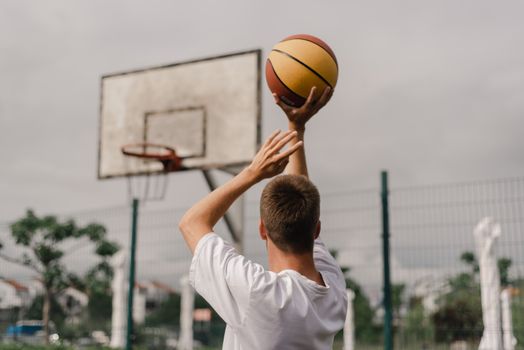
- Hand Placement: The shooting hand should be under the ball, with the guide hand on the side. This ensures straight, controlled releases. - Stance and Balance: Feet shoulder-width apart, knees slightly bent. Balance is crucial for power and stability. - Elbow Position: The shooting elbow should be directly under the ball, creating a straight line from your wrist to the rim. - Release and Follow-Through: Extend your arm fully, snapping your wrist so your fingers point toward the basket. Hold your follow-through to reinforce muscle memory.A 2019 study by the Journal of Sports Sciences found that players who practiced correct shooting form for just 20 minutes per day improved their field goal percentage by an average of 12% over six weeks. For beginners, this underscores the value of quality over quantity.
Essential Drills for Building a Consistent Shot
Practice doesn’t make perfect — perfect practice does. Instead of simply launching hundreds of shots, focus on drills that reinforce good habits and target common beginner mistakes.
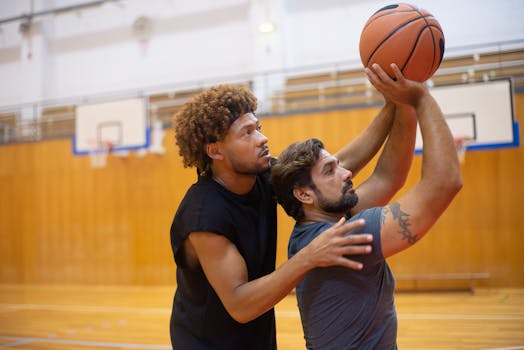
1. Form Shooting Close to the Basket Stand just 2-3 feet from the hoop. Focus on mechanics rather than results. Make 20-30 shots from each side of the rim, emphasizing balance, elbow alignment, and follow-through. This drill helps engrain muscle memory and builds confidence. 2. One-Handed Shooting Drill With your guide hand behind your back, shoot using only your dominant hand. This drill isolates your shooting mechanics and strengthens wrist action. Begin close to the basket, then move gradually farther as your accuracy improves. 3. Spot Shooting Choose five spots around the key (baseline, wing, free-throw line, opposite wing, opposite baseline). Take 10 shots from each spot. This not only improves accuracy from various angles but simulates real-game situations. 4. Free Throw Routine Developing a reliable free throw is crucial, even for beginners. Shoot sets of 10-20 free throws, focusing on a consistent pre-shot routine. According to NBA statistics, the league average free throw percentage is 77% — a great benchmark to aim for over time. 5. Catch-and-Shoot Drill Have a partner pass you the ball from different angles, or use a wall if practicing alone. Focus on catching the ball, quickly setting your feet, and releasing the shot in rhythm. This drill develops your ability to shoot under mild pressure and improves reaction time.Tracking Progress: How to Measure Your Shooting Improvement
One of the biggest motivators in basketball is seeing your own progress. Tracking your shooting stats not only highlights your strengths but also pinpoints areas for improvement. Here’s a simple table to help you monitor your practice sessions:
| Drill | Shots Attempted | Shots Made | Success Rate (%) |
|---|---|---|---|
| Form Shooting (Close) | 50 | 38 | 76 |
| Spot Shooting | 50 | 27 | 54 |
| Free Throws | 20 | 13 | 65 |
| Catch-and-Shoot | 30 | 15 | 50 |
Revisit your stats weekly. Even a 5% improvement over a month is significant for beginners. Remember, NBA players often track every shot in practice for accountability — you can do the same on your level.
Common Shooting Mistakes and How to Fix Them
Every beginner encounters setbacks, but identifying and correcting mistakes early prevents bad habits from forming. Here are some classic errors and their solutions:
- Pushing with Both Hands: This often happens when the guide hand influences the shot. Solution: Practice one-handed shooting until your shooting hand does all the work. - Fading Away: Leaning back reduces power and accuracy. Solution: Focus on keeping your body upright and balanced, and shoot with your momentum going toward the hoop. - Inconsistent Release: Rushed or hesitant releases lead to missed shots. Solution: Slow down, practice holding your follow-through, and build up speed as you gain confidence. - Eyes on the Ball, Not the Target: Beginners often watch the ball instead of the rim. Solution: Pick a target on the rim (like the back of the rim or the center) and keep your eyes there until after the shot is released.According to USA Basketball, correcting form early can increase shooting accuracy by up to 18% for young players.
Building Confidence: Mental Strategies for Better Shooting
Shooting is as much mental as it is physical. Many beginners struggle with pressure and self-doubt, which can undermine even the best practice routines.
1. Visualization Spend a few minutes before practice picturing yourself making shots. Visualization has been shown to improve performance — a 2021 study found that athletes who visualized success improved their free throw percentage by 11% compared to those who did not. 2. Positive Self-Talk Avoid phrases like “I can’t shoot” or “I always miss.” Replace them with “I’m improving every day” or “I follow my routine.” Positive self-talk can reduce anxiety and boost performance. 3. Routine Under Pressure Simulate pressure situations by setting simple challenges: Make 5 in a row, or hit a free throw after running a lap. This helps you stay calm and focused in real games. 4. Focus on Process, Not Perfection Accept that misses are part of the learning process. Instead of obsessing over makes and misses, focus on executing your routine and mechanics.Training Schedule: How to Structure Your Shooting Practice
Consistency is key to improvement. For beginners, 3-5 focused shooting sessions per week can lead to noticeable progress within a month. Here’s an example weekly schedule:
Day 1: - 10 minutes form shooting - 10 minutes one-handed shooting - 10 minutes spot shooting - 5 minutes free throws Day 2: - 10 minutes catch-and-shoot - 10 minutes spot shooting - 10 minutes form shooting - 5 minutes free throws Day 3: - 15 minutes spot shooting - 10 minutes free throws - 10 minutes one-handed shootingAs you improve, increase the difficulty (e.g., add movement, increase speed, shoot under mild fatigue). Remember to prioritize rest — muscle recovery is crucial for skill development.
Final Thoughts: Launching Your Shooting Journey in Basketball
Improving your shooting skills is a journey, not a sprint. By emphasizing fundamentals, incorporating targeted drills, tracking progress, and staying mentally resilient, beginners can achieve rapid improvements and build a foundation for long-term success. Remember, even elite shooters like Stephen Curry or Diana Taurasi started with the basics — and they continue to practice them every day.
Approach every session with patience and focus on gradual progress. Celebrate small milestones, learn from mistakes, and most importantly, keep shooting. Your hard work will pay off on the court.