Basketball is often celebrated for its high-flying dunks, buzzer-beating shots, and offensive prowess, but true fans and experts know that championships are won on the defensive end. Mastering defense in basketball is both an art and a science, requiring a blend of physical skills, mental agility, teamwork, and tactics. While offense can win games, it’s defense that secures titles—just ask any coach from a championship-caliber team. In this comprehensive guide, we’ll explore the essential strategies and techniques that separate elite defenders from the rest, break down the numbers behind defensive success, and provide actionable insights for players and enthusiasts looking to elevate their understanding of the game.
The Pillars of Great Basketball Defense
Effective basketball defense rests on a foundation of core principles that every player, from youth leagues to the NBA, must master. While individual talent plays a role, defense is fundamentally about collective effort and discipline. Let’s examine the key pillars:
1. $1 Whether in a noisy arena or a neighborhood gym, defenders must constantly communicate—calling out screens, switches, and assignments. Research by the NCAA found that teams with high on-court communication reduce opponent field goal percentages by up to 5%. 2. $1 Great defenders understand angles and spacing. Staying between the ball and the basket, closing out on shooters, and knowing when to help or recover are crucial skills. 3. $1 Anticipating offensive moves—like reading a ball-handler’s eyes or predicting a pick-and-roll—can disrupt plays before they develop. 4. $1 Metrics like “deflections” (tipping passes) and “loose ball recoveries” are tracked by NBA teams, with top defenders averaging 3-4 deflections per game. These hustle plays often lead to turnovers and easy transition points. 5. $1 Defense demands relentless energy. In the 2022-23 NBA season, elite defenders like Jrue Holiday averaged over 3 miles run per game, a testament to the stamina required at the highest level.Man-to-Man vs. Zone: Comparing Defensive Schemes
Basketball teams deploy different defensive schemes depending on personnel, opponent strengths, and game situations. The two most common are man-to-man and zone defenses, each with their advantages and challenges.
.png)
| Aspect | Man-to-Man Defense | Zone Defense |
|---|---|---|
| Primary Focus | Guarding a specific player | Guarding an area of the court |
| Strengths | Personal accountability; forces opponents into tough shots; effective against strong shooters | Protects the paint; hides individual defensive weaknesses; disrupts rhythm offenses |
| Weaknesses | Susceptible to mismatches; can tire players | Vulnerable to outside shooting; requires strong communication |
| NBA Usage (2022-23) | Used ~85% of possessions | Used ~15% of possessions (mainly as a change-up) |
| Example Teams | Boston Celtics, Milwaukee Bucks | Miami Heat, Syracuse Orange (NCAA) |
While the NBA heavily favors man-to-man defense, zone defenses are making a comeback, especially as teams look to disrupt the pace and flow of modern offenses. According to Synergy Sports, teams that mix in zone looks hold opponents to 1.02 points per possession, compared to 1.09 in man-to-man—a subtle but meaningful difference over the course of a season.
Individual Defensive Techniques: Lockdown Skills
Elite defenders often stand out because of their ability to contain even the best scorers. Here are the key individual techniques that enable players to become true stoppers:
- $1 The foundation of individual defense is the stance—a low, balanced posture with weight on the balls of the feet. Quick lateral footwork allows defenders to slide and stay in front of their man. NBA Defensive Player of the Year Marcus Smart credits his “defensive shuffle” drills for his ability to guard multiple positions. - $1 Disrupting passing lanes, contesting shots, and poking at the ball all require quick, active hands. Players like Kawhi Leonard are famous for their massive hand size and quick reflexes; Leonard averaged 1.6 steals per game in his prime. - $1 When rotating to challenge a shooter, defenders must sprint under control, break down their steps, and contest without fouling. The best closeout defenders can reduce a shooter’s effective field goal percentage by 8-10%. - $1 Not just the domain of tall centers, effective shot blocking is about timing and anticipation. For example, Golden State’s Draymond Green, at just 6’6”, has averaged over 1 block per game in multiple seasons thanks to his instincts. - $1 Applying relentless pressure to the ball-handler can force turnovers. In the 2023 NCAA tournament, teams that averaged more than 8 steals per game advanced 60% further than those who didn’t—a testament to the value of on-ball defense.Team Defense: The Power of Cohesion
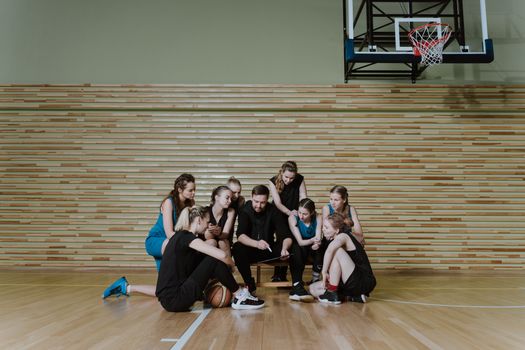
While individual brilliance can alter a game, team defense is where championships are forged. The best defensive teams operate with almost telepathic understanding, rotating, helping, and recovering in perfect harmony.
- $1 When a defender is beaten off the dribble, teammates must “help” by stepping into the lane, then quickly “recover” to their original assignments. The 2019 Toronto Raptors were famed for their “scramble” defense, rotating seamlessly to contest every shot. - $1 Modern offenses rely heavily on pick-and-roll actions. Teams use strategies like “hedging,” “switching,” or “icing” the screen to contain ball-handlers and roll men. In the 2022 NBA Playoffs, teams that defended pick-and-rolls effectively held opponents to 0.87 points per possession—compared to 1.12 for teams without a set strategy. - $1 Preventing fast-break points is crucial. Sprinting back, communicating, and matching up quickly can cut opponents’ transition efficiency by 15%, according to HoopData analytics. - $1 Securing the ball after a defensive stop is as vital as making the stop itself. The 2022 Boston Celtics led the NBA in defensive rebounding rate (75%), limiting opponents to just one shot per possession.Advanced Metrics: Measuring Defensive Impact
The evolution of basketball analytics has revolutionized how coaches and fans evaluate defense. Traditional stats like steals and blocks only tell part of the story. Today, teams rely on advanced metrics to measure true defensive impact.
- $1 Estimates the number of points allowed per 100 possessions. In 2022-23, the NBA’s best defensive team, the Cleveland Cavaliers, posted a DRtg of 109.9—5 points better than the league average. - $1 Estimates the number of wins contributed by a player’s defense. Rudy Gobert led the NBA with 5.4 defensive win shares in the 2021-22 season. - $1 Measures a player’s defensive impact relative to league average. Players with a DBPM of +2.0 or higher are considered elite defenders. - $1 Tracks how well an opponent shoots when guarded by a specific player. Mikal Bridges, for instance, held opponents to just 43% shooting in isolation, compared to the league average of 47%. - $1 These “hustle stats” are now tracked by most leagues. In the 2022 NBA season, Fred VanVleet led the league with 3.8 deflections per game.Developing a Defensive Mindset: Training and Practice Tips
Becoming a great defender isn’t just about physical skill—it’s about mentality and preparation. Here are proven methods for developing a defensive mindset:
- $1 Watching hours of game footage helps players recognize offensive tendencies and anticipate plays. The San Antonio Spurs have made film room preparation a cornerstone of their defensive culture. - $1 Defensive slides, closeout sprints, and 1-on-1 containment drills are staples at every level. Coaches recommend at least 20 minutes of dedicated defensive drills per practice session. - $1 Teams with a culture of defensive accountability—where every player takes pride in stops—tend to outperform their talent level. Coaches like Tom Thibodeau emphasize “defense-first” mindsets, often benching even star players for poor effort on that end. - $1 Defense can be exhausting and thankless, but the best defenders embrace the challenge. NBA Hall of Famer Gary Payton, known as “The Glove,” once said, “If I can take you out of your game, I’ve already won.”Final Thoughts on Mastering Defense in Basketball
While offense may fill highlight reels, defense shapes legacies. Mastering defense in basketball requires a commitment to effort, communication, and teamwork, as well as a willingness to study and adapt. From choosing the right defensive scheme to perfecting individual techniques and embracing analytics, there are countless ways to elevate your defensive game. Whether you’re a player, coach, or fan, understanding the intricacies of defense will deepen your appreciation for basketball’s true chess match. Remember: great defense doesn’t just stop opponents—it inspires teams and wins championships.