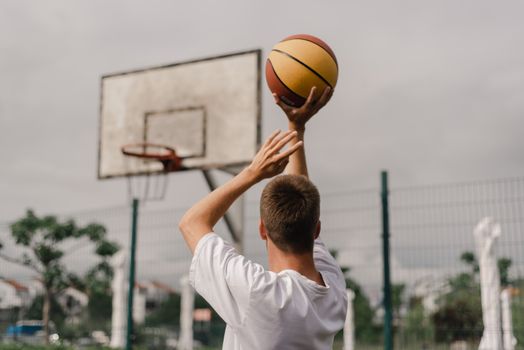
Basketball is more than just a high-energy sport played on courts worldwide. For children, it is a powerful tool for holistic development, influencing not only physical fitness but also emotional, cognitive, and social growth. This article explores the multifaceted impact of basketball on child development, highlighting the unique benefits and lasting contributions that participation in the sport can offer during formative years.
How Basketball Enhances Physical Development in Children
One of the most immediate and visible impacts of basketball on children is the improvement in their physical health. According to the Centers for Disease Control and Prevention (CDC), only 24% of children aged 6–17 participate in 60 minutes of physical activity each day—the recommended amount for optimal health. Basketball, with its blend of running, jumping, dribbling, and hand-eye coordination, provides an effective and engaging way for children to reach these activity goals.
Key physical benefits include:
- $1 Regular basketball play develops both upper and lower body strength. Shooting, passing, and rebounding help tone arm and chest muscles, while sprinting and jumping enhance leg strength. - $1 The sport requires synchronized movements, enhancing fine and gross motor skills. Dribbling and passing improve hand-eye coordination, while quick changes in direction bolster agility and balance. - $1 Basketball is a high-intensity, aerobic sport. A 2019 study published in the Journal of Sports Sciences found that children who played basketball three times a week for 12 weeks improved their cardiorespiratory fitness by 17%. - $1 With childhood obesity rates reaching 19.7% in the United States (CDC, 2022), basketball offers an enjoyable way to burn calories—an hour of play can burn up to 500 calories in children.By consistently engaging in basketball, children not only improve their overall fitness but also lay a foundation for lifelong healthy habits.
.png)
Basketball’s Role in Cognitive and Academic Growth
Beyond physical prowess, basketball can significantly contribute to a child’s cognitive development. The fast-paced nature of the sport requires players to think quickly, make strategic decisions, and anticipate opponents’ moves—all of which stimulate brain activity and cognitive growth.
Research from the University of Kansas in 2017 found that student-athletes, including those involved in basketball, had graduation rates 10% higher than their non-athlete peers. This suggests a strong link between sports participation and academic achievement.
Basketball fosters cognitive skills in several ways:
- $1 Players must constantly assess the court, predict plays, and adjust tactics on the fly. - $1 The need to track the ball, teammates, and opponents enhances attention span and mental stamina. - $1 Remembering plays, positions, and rules helps sharpen both working and long-term memory. - $1 Balancing practice, games, and schoolwork teaches children how to prioritize and manage their schedules.These skills are directly transferable to academic settings, helping children excel in school while learning the value of discipline and perseverance.
Emotional and Psychological Benefits of Basketball for Kids
Basketball is not just a matter of physical and cognitive growth—it is also a valuable tool for fostering emotional intelligence and psychological resilience in children.
Some of the key emotional benefits include:
- $1 Scoring a basket or mastering a new skill provides children with tangible evidence of their progress, boosting their self-confidence. - $1 Physical activity, including basketball, triggers the release of endorphins, which can help reduce stress and anxiety levels. According to a 2021 study in the journal Pediatric Exercise Science, children who regularly engaged in team sports reported 23% lower levels of depressive symptoms than their sedentary peers. - $1 Basketball teaches children how to handle wins and losses, manage frustration, and recover from setbacks—key life skills for building emotional resilience. - $1 The sport encourages children to set personal and team goals, fostering a sense of purpose and achievement.By providing a positive outlet for emotions and a safe space to experience both triumph and disappointment, basketball plays a crucial role in shaping mentally healthy and emotionally intelligent children.
Social Skills and Teamwork: The Basketball Advantage
Team sports like basketball are renowned for their capacity to develop social skills and teach the value of collaboration from a young age. The nature of the game, with its reliance on passing, communication, and group strategy, makes it an ideal environment for social growth.
Key social benefits include:
- $1 Players must communicate effectively on and off the court, enhancing verbal and non-verbal communication skills. - $1 Basketball teaches children the importance of working towards a common goal, respecting teammates and opponents alike. - $1 Inevitably, conflicts arise in competitive settings. Basketball provides a platform for children to learn how to resolve disputes amicably. - $1 Opportunities abound for children to take on leadership roles, whether as team captains or by setting an example through hard work and sportsmanship.A survey by the Aspen Institute’s Project Play (2020) found that 73% of parents believe their children developed better social skills through team sports like basketball. These skills are invaluable both during childhood and later in life, equipping children to navigate social situations with confidence.
Comparative Overview: Basketball vs Other Popular Youth Sports
While basketball offers unique advantages, it’s helpful to compare its contributions to those of other popular youth sports. The table below provides an overview of how basketball stacks up against soccer, baseball, and swimming across several developmental domains.
| Sport | Physical Benefits | Cognitive Benefits | Social Skills | Accessibility |
|---|---|---|---|---|
| Basketball | High (endurance, agility, coordination) | High (strategy, quick decision-making) | Very High (teamwork, communication) | High (indoor/outdoor courts, minimal equipment) |
| Soccer | High (endurance, leg strength, coordination) | Moderate (field vision, tactics) | High (teamwork, cooperation) | High (fields widely available) |
| Baseball | Moderate (coordination, reflexes) | Moderate (anticipation, situational awareness) | Moderate (teamwork, turn-taking) | Moderate (requires field, equipment) |
| Swimming | Very High (full-body workout, endurance) | Low (routine-based) | Low (individual sport) | Moderate (pool access needed) |
This comparison shows that while all sports offer valuable benefits, basketball stands out for its well-rounded contributions to physical, cognitive, and social development, as well as its accessibility for children of diverse backgrounds.
Long-Term Contributions of Basketball to Lifelong Development
The impact of basketball on child development extends far beyond childhood. The skills, habits, and values learned on the court often translate into lifelong traits that benefit individuals in adulthood.
Long-term contributions include:
- $1 Children who participate in basketball are more likely to remain physically active as adults. The National Alliance for Youth Sports reports that youths involved in sports are 8 times more likely to be active at age 24 than their non-athletic peers. - $1 The teamwork, leadership, and communication skills developed through basketball are highly valued in academic and professional settings. - $1 Basketball often fosters a sense of community and belonging, encouraging children to participate in positive social networks and volunteer activities later in life. - $1 Long-term engagement in physical activity reduces the risk of heart disease, diabetes, and other chronic health issues.By nurturing a child’s physical, mental, and social capacities, basketball lays the groundwork for well-rounded, resilient adults who are prepared to contribute positively to their communities.
Final Thoughts on the Impact of Basketball on Child Development
Basketball is more than a pastime—it is a dynamic, multifaceted catalyst for child development. Whether played in a local gym, schoolyard, or community center, the sport offers a unique blend of physical exercise, cognitive stimulation, emotional support, and social learning. As research and statistics consistently show, children who participate in basketball are better equipped to face the challenges of growing up, both on and off the court. By fostering healthy bodies, sharp minds, and strong social connections, basketball truly makes a lasting contribution to the lives of young players everywhere.