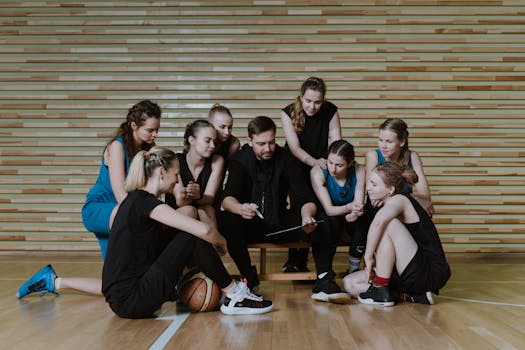
Basketball is a sport that thrives on teamwork, strategy, and relentless drive. While the spotlight often shines on players making game-winning shots or executing dazzling plays, the guiding hand behind every great team is its coach. The role of a coach in basketball extends far beyond calling plays and organizing drills. Coaches are leaders, motivators, tacticians, and mentors, shaping not just how a team performs, but how it grows and overcomes challenges. In this article, we’ll explore what makes a basketball coach truly effective, the skills and strategies required to lead a team to success, and how the coach’s influence reaches every corner of the court and beyond.
The Multifaceted Responsibilities of a Basketball Coach
Coaching basketball is a complex and demanding job. While many fans see coaches pacing the sidelines, signaling plays, or arguing with referees, their responsibilities cover a much wider spectrum. A coach’s true role encompasses:
- Designing and implementing training programs tailored to the team’s strengths and weaknesses - Building team chemistry and trust among players - Developing individual player skills through personalized feedback and coaching - Creating tactical game strategies and adapting them in real time - Instilling discipline, work ethic, and a winning mentality - Managing conflicts and maintaining morale through both victories and defeatsAccording to the National Federation of State High School Associations, the average basketball coach spends over 20 hours per week on planning, practice, and game preparation during the season, not including travel or administrative duties. This commitment underscores just how central the coach is to a team’s daily function and long-term success.
.png)
Leadership Styles: Finding the Right Fit for Your Team
No two basketball coaches are alike. Leadership style plays a pivotal role in how a coach interacts with players, manages adversity, and drives results. The most common coaching leadership styles include:
- Authoritarian: Focuses on strict discipline, clear expectations, and firm control. This style can be effective in building discipline but may stifle creativity. - Democratic: Encourages player input, collaboration, and shared decision-making. Often leads to higher morale and buy-in, especially with mature teams. - Transformational: Inspires players to exceed their perceived limits through motivation, vision, and personal encouragement. This approach has been linked to higher team cohesion and resilience.A study published in the Journal of Sports Sciences found that teams led by transformational coaches reported 35% higher levels of player satisfaction and 22% better team cohesion compared to teams with authoritarian coaches. Legendary coaches like Gregg Popovich (San Antonio Spurs) and Pat Summitt (Tennessee Lady Volunteers) are often cited as examples of transformational leadership, combining high expectations with genuine care for their athletes.
Key Skills Every Basketball Coach Needs
Success as a basketball coach hinges on more than knowledge of X’s and O’s. The best coaches master a range of interpersonal and analytical skills. Here are some of the most essential:
1. Communication: The ability to clearly explain strategies, provide constructive feedback, and listen to players’ concerns builds trust and understanding. 2. Adaptability: Basketball is fast-paced and unpredictable. Effective coaches adjust tactics on the fly and aren’t afraid to innovate. 3. Emotional Intelligence: Understanding individual players’ motivations, moods, and challenges allows coaches to connect on a deeper level and manage team dynamics. 4. Analytical Thinking: Reviewing game footage, tracking statistics, and identifying trends help coaches make data-driven decisions. 5. Conflict Resolution: Disagreements are inevitable in competitive sports. Coaches who mediate disputes fairly foster a positive environment.According to a survey by the National Basketball Coaches Association, 78% of professional coaches ranked communication as the number one skill for effective leadership, followed closely by adaptability (64%) and emotional intelligence (59%).
Strategic Game Management and In-Game Adjustments
A coach’s strategic acumen often comes to the forefront during games. This is when split-second decisions can make the difference between victory and defeat. Key aspects of in-game management include:
- Substitution Patterns: Deciding when to rest starters or bring in bench players based on matchups, fouls, and fatigue. - Timeout Usage: Calling timeouts to stop opponent momentum, set up plays, or refocus the team. - Defensive and Offensive Adjustments: Switching between zone and man-to-man defenses, or altering offensive schemes in response to the opponent. - Managing Foul Trouble: Protecting key players from fouling out while maintaining team effectiveness.The impact of these decisions is measurable. For instance, an analysis of 2019 NBA games revealed that teams managed by coaches with a high rate of effective timeout usage recovered from double-digit deficits 18% more often than those with less strategic timeout management.
Building a Winning Culture: Beyond the X’s and O’s
While tactics and drills are vital, championship teams are distinguished by their culture—the shared values, habits, and attitudes that persist off the court. Coaches play a central role in cultivating this environment. Here’s how:
- Setting Standards: Clearly communicating expectations for effort, sportsmanship, and conduct. - Leading by Example: Demonstrating integrity, resilience, and a positive attitude in all interactions. - Recognizing Achievements: Celebrating individual and team successes, big or small, to build confidence. - Supporting Player Development: Investing in players’ academic, social, and emotional growth, not just athletic performance.Consider the University of Connecticut women’s basketball program, led by Coach Geno Auriemma. Under his tenure, the team has won 11 NCAA championships, a feat attributed not only to recruiting talent, but to fostering a culture of accountability, selflessness, and relentless improvement.
Comparing Coaching Approaches: Youth, High School, College, and Pro Levels
The role and expectations of a basketball coach can vary greatly depending on the level of play. Each level demands a different balance of skills and priorities, as illustrated in the table below:
| Coaching Level | Main Priorities | Key Challenges | Typical Time Commitment (per week) |
|---|---|---|---|
| Youth | Skill development, fun, sportsmanship | Short attention spans, varying skill levels | 6-8 hours |
| High School | Competition, fundamentals, academic balance | Player motivation, balancing academics and athletics | 15-20 hours |
| College | Advanced tactics, recruiting, player development | Intense competition, media scrutiny, recruitment | 30-40 hours |
| Professional | Winning, player management, media relations | High pressure, managing egos, public scrutiny | 60+ hours |
This comparison demonstrates that while the foundational role of the coach remains consistent—leading, teaching, inspiring—the specifics adapt to the age, skill, and context of the team.
Final Thoughts on the Role of a Basketball Coach
The journey of a basketball team, from its first practice to the final buzzer of a championship game, is shaped by the vision, dedication, and leadership of its coach. A coach’s influence extends beyond tactics and training—it’s about building character, instilling values, and helping athletes realize their full potential both on and off the court. Whether at the youth, high school, college, or professional level, effective coaching is the cornerstone of lasting success in basketball.
A great coach is a strategist, a motivator, a mentor, and above all, a leader who inspires a group of individuals to become a team. By mastering a blend of technical know-how, people skills, and unwavering commitment, coaches transform talent into triumph and leave a legacy that lasts far beyond the scoreboard.