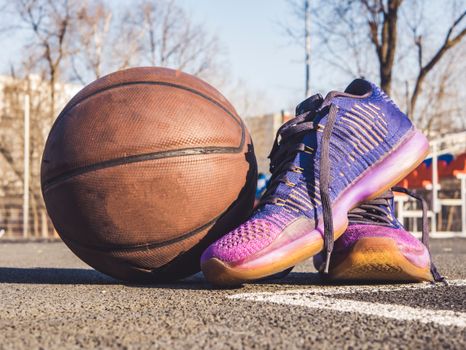
Choosing the right basketball shoes is more than just a style decision—it’s a key factor in your performance, comfort, and safety on the court. With hundreds of models released each year, the options can be overwhelming. Whether you’re a competitive player, a weekend warrior, or someone just getting into the game, understanding how to pick the best basketball shoes can make a significant difference in your game and help prevent injuries. In this guide, you’ll discover what really matters when shopping for basketball footwear, including fit, support, technology, and how playing style and position influence your choice.
Understanding the Anatomy of Basketball Shoes
Before diving into selection tips, it’s important to understand the basic components of a basketball shoe. Each part plays a unique role in support, traction, and comfort.
1. Upper: This is the part of the shoe that covers your foot. It can be made from leather, synthetic materials, mesh, or a combination. Uppers come in three main cuts: - High-top: Offers maximum ankle support—favored by centers and forwards. - Mid-top: Balances support and mobility—ideal for all-around players. - Low-top: Prioritizes speed and agility—popular with guards. 2. Midsole: This is the core of a shoe’s cushioning system. The midsole is usually made of foam, EVA (ethylene vinyl acetate), or polyurethane, sometimes with added technologies like Nike’s Zoom Air or Adidas’ Boost. 3. Outsole: The bottom of the shoe, typically rubber, designed for traction. Patterns and rubber quality affect grip, especially on indoor versus outdoor courts. 4. Support Features: These include heel counters, straps, and external shanks that help stabilize your foot during lateral movements and jumps.A 2022 survey by Statista reported that 81% of basketball players consider comfort and support the most important factors in their shoe choice, underlining the significance of these design elements.
.png)
How Playing Position Influences Basketball Shoe Choice
Your position and playing style should be at the forefront when choosing basketball shoes. Different positions have unique movement patterns, requiring specific features for optimal performance.
- Point Guards and Shooting Guards: These players rely on agility, speed, and quick directional changes. Low-top or mid-top shoes with lightweight construction and responsive cushioning are ideal. For example, the Nike Kyrie series is designed for fast guards who need to cut and pivot with precision. - Forwards: Often playing a versatile role, forwards benefit from mid-top shoes that offer a mix of support and mobility. Responsive cushioning helps absorb impact from aggressive drives and rebounds. - Centers: Centers need maximum ankle support and impact protection due to frequent jumping and physical play in the paint. High-top shoes with robust support systems, like the Air Jordan 36, are a common choice.Here’s a comparison of shoe features by position:
| Position | Recommended Shoe Cut | Key Features | Example Model |
|---|---|---|---|
| Point Guard | Low/Mid-top | Lightweight, Responsive Cushioning, Traction | Nike Kyrie 7 |
| Shooting Guard | Low/Mid-top | Agility, Breathability, Quick Response | Adidas Harden Vol. 6 |
| Forward | Mid-top | Balanced Support, Cushioning, Durability | Puma MB.01 |
| Center | High-top | Maximum Support, Impact Protection, Stability | Air Jordan 36 |
Key Features to Evaluate When Buying Basketball Shoes
While style is appealing, performance features should be your primary concern. Here are the crucial factors to consider:
1. $1 Cushioning absorbs impact and protects your joints. In a typical basketball game, players make over 60 jumps and several hundred quick steps, so good cushioning can reduce injury risks. Technologies like Nike’s Zoom Air or Adidas Boost provide varying levels of responsiveness and shock absorption. 2. $1 Look for shoes with multidirectional patterns on the outsole. This ensures grip for explosive movements and quick stops. A 2021 study published in the Journal of Sports Sciences found that proper traction can reduce the risk of ankle sprains by up to 20%. 3. $1 Shoes should hug your foot without pinching. Leave about a thumb’s width between your longest toe and the end of the shoe. Ill-fitting shoes are a leading cause of blisters and foot pain. 4. $1 Lateral support is essential for basketball. Shoes with sturdy sidewalls, internal shanks, or external heel counters stabilize your foot during side-to-side motions. 5. $1 Look for mesh panels or perforations that allow airflow. Lighter shoes (usually under 14 ounces) help with speed, while heavier shoes (over 16 ounces) offer more protection. 6. $1 If you often play outdoors, choose shoes with thicker, more durable outsoles. Indoor-only shoes may wear out quickly on rough surfaces.New Technologies and Innovations in Basketball Shoes
The past decade has seen rapid advancements in basketball footwear, blending science and style. Here are some notable innovations:
- $1 Nike’s React foam, Adidas Boost, and Under Armour HOVR all offer unique takes on shock absorption and energy return. For example, Adidas Boost is made from thermoplastic polyurethane pellets that provide 20% more energy return than standard EVA foam. - $1 Some brands now offer 3D-printed midsoles or even custom-molded uppers for a perfect fit. Nike’s Adapt BB, released in 2019, introduced power-lacing technology controlled via smartphone, allowing players to adjust tightness on the fly. - $1 Sustainability is gaining traction, with brands like Nike and Adidas offering models using recycled plastics and plant-based materials. In 2023, Adidas released the “Futurecraft.Footprint,” made from 63% recycled content, weighing just 9.8 ounces. - $1 Brands are experimenting with new rubber compounds and traction patterns. The Nike LeBron 20 features a split outsole with different patterns for forefoot and heel, optimizing grip and flexibility.Common Mistakes to Avoid When Choosing Basketball Shoes
Even experienced players can fall into these traps:
1. $1 Style is important, but performance and fit matter more. According to a 2020 Footwear News survey, nearly 35% of buyers admitted they regretted prioritizing appearance over comfort. 2. $1 Shoes designed for indoor courts may wear out faster if used outdoors, leading to a loss of traction and support. 3. $1 Feet can change size over time, especially in younger players. Always try shoes on in the evening when your feet are at their largest, and don’t rely on your “usual” size. 4. $1 Even the best basketball shoes lose their support and cushioning after 70-100 hours of play. Worn-down soles or compressed midsoles can increase the risk of injury. 5. $1 The thickness and material of your socks can affect fit. Always try on shoes with the socks you’ll wear during games.How to Properly Test Basketball Shoes Before Buying
It’s tempting to buy shoes online, but if possible, try them on in person for the best fit. Here’s how to test basketball shoes effectively:
1. $1 Wear both shoes and walk around the store. Jump, pivot, and mimic basketball movements. Shoes should feel secure, without heel slippage or pinching. 2. $1 Make sure there’s about a half-inch of space in the toe box. Your toes shouldn’t feel cramped, but your foot shouldn’t slide forward. 3. $1 If possible, test the shoes on a hardwood floor. Slide your foot side-to-side and check for any slipping. 4. $1 Stand on one leg and mimic a defensive stance. The shoe should provide lateral stability and prevent your ankle from rolling. 5. $1 If you feel any discomfort, try a different size or model. Comfort is non-negotiable.Final Thoughts on Choosing the Right Basketball Shoes
Selecting the right basketball shoes requires a thoughtful balance of fit, support, style, and technology. Your playing position, court surface, and personal comfort all play a role in finding the perfect pair. Remember, investing in quality footwear not only boosts your performance but also helps protect against injuries—a smart move for players at any level.
Basketball shoes are as much about personal expression as they are about athletic performance. Don’t rush the decision. Take the time to research, try on, and test different models. With the right pair, you’ll not only play better but enjoy the game even more.