Basketball Skills for Kids: How to Start Training from a Young Age
Basketball is more than just a game—it’s an opportunity for kids to develop physical fitness, discipline, teamwork, and confidence. Starting young gives children a head start, allowing them to build foundational skills and healthy habits that can last a lifetime. But how exactly should kids begin their basketball journey? What age is ideal to start, and which skills should be prioritized first? This in-depth guide provides parents and coaches with practical, step-by-step insights into starting basketball training for kids, highlighting the importance of age-appropriate skill development, safety, fun, and long-term growth.
The Benefits of Early Basketball Training for Kids
Introducing basketball to children at a young age (typically between 5 and 8 years old) offers a host of advantages that extend far beyond the basketball court. According to the American Academy of Pediatrics, children who participate in organized sports enjoy better cardiovascular health, improved coordination, and greater self-esteem.
Key benefits include:
- Physical Development: Basketball encourages coordination, balance, agility, and motor skills. According to a 2022 CDC report, children who engage in regular physical activity are 40% less likely to develop childhood obesity. - Social Skills: Team sports like basketball teach kids how to cooperate, communicate, and resolve conflicts. - Cognitive Growth: Learning rules and strategies boosts concentration and decision-making abilities. - Emotional Well-Being: Engaging in enjoyable physical activities can reduce stress and improve mood. A study published in the Journal of Sports Sciences found that children active in sports report 20% higher well-being scores than their less-active peers.Starting basketball early doesn’t mean intensive training or competitive leagues right away. Instead, it’s about cultivating a love for movement, developing basic skills, and fostering a positive attitude toward physical activity.
.png)
Essential Basketball Skills for Young Beginners
For kids just starting out, the focus should be on mastering a handful of key skills that form the building blocks of basketball. Overemphasizing complex drills or competition can lead to frustration and burnout. Here are the fundamental skills every young player should learn:
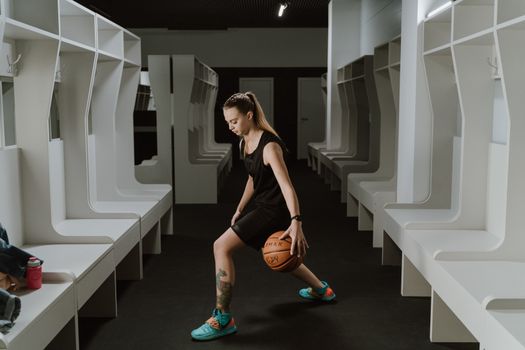
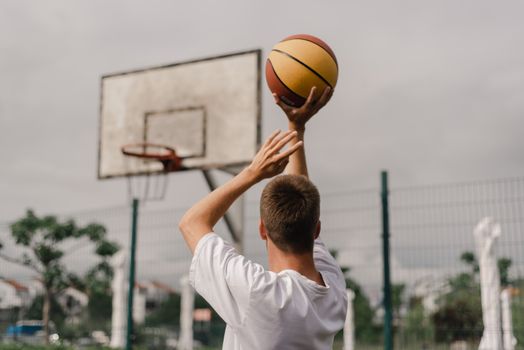
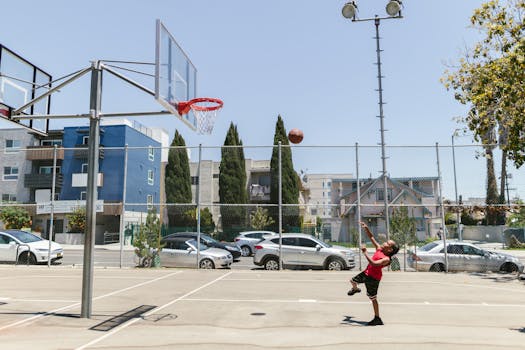
1. Ball Handling Dribbling is the most basic basketball skill. Young children should practice dribbling with both hands, walking or jogging while controlling the ball, and keeping their eyes up. Using smaller, lighter basketballs (size 3 or 5) can make this easier for small hands. 2. Passing Effective passing is essential for teamwork. Kids should learn chest passes, bounce passes, and overhead passes, first standing still and then moving. Fun passing games can make practice engaging. 3. Shooting At a young age, proper shooting form matters more than making baskets. Using adjustable-height hoops (6 to 8 feet for under-10 players) helps kids develop correct technique without straining. 4. Footwork Simple footwork drills—like jump stops, pivots, and side shuffles—improve balance and agility. Using cones or markers can add a playful element to these exercises. 5. Defense Introduce basic defensive stances and movement. Kids should practice staying low, moving side-to-side, and keeping their arms out to “guard” a partner.A 2019 survey by the National Alliance for Youth Sports found that 67% of children enjoyed practice more when it included games and varied activities, rather than repetitive drills. The goal should always be engagement and enjoyment, especially at the youngest ages.
Choosing the Right Age and Program for Basketball Training
Many parents wonder: when is the best time to start basketball? While there’s no universal answer, most experts recommend beginning between ages 5 and 8. At this stage, kids are developing basic motor skills and are ready to follow simple instructions.
There are several structured pathways available:
- Community Leagues: Local parks and recreation departments often offer introductory basketball programs for children as young as five. - School Programs: Many elementary schools provide after-school basketball clubs or classes. - Private Clinics: Basketball academies may run skill-focused clinics for beginners, often grouped by age and ability.Comparing Basketball Training Options for Kids
| Program Type | Typical Starting Age | Session Frequency | Coach-to-Child Ratio | Average Monthly Cost (USD) |
|---|---|---|---|---|
| Community League | 5-7 | 1-2x/week | 1:10 | $30-60 |
| School Program | 6-10 | 1x/week | 1:15 | Free-$30 |
| Basketball Clinic | 5-12 | 2-3x/week | 1:6 | $60-120 |
Consider your child’s temperament and interests. Some kids thrive in structured environments, while others prefer informal, playful sessions. Regardless of where they train, the emphasis should be on fun, skill-building, and sportsmanship rather than winning at all costs.
Making Training Fun and Age-Appropriate
The secret to keeping kids engaged in basketball is making practice enjoyable and suitable for their age and skill level. Here are some strategies:
- Incorporate Games: Relay races, dribbling obstacle courses, and shooting contests keep young players energized. - Use the Right Equipment: Kids’ basketballs are smaller and lighter (size 3: 22” circumference, 10-11 oz.; size 5: 27.5” circumference, 14-16 oz.), and adjustable hoops prevent frustration. - Rotate Activities: Switching between dribbling, passing, shooting, and movement games prevents boredom. - Celebrate Effort: Praise kids for trying hard, listening well, or helping teammates—not just for scoring points.Research by the Aspen Institute’s Project Play found that 45% of children drop out of sports by age 12, often due to pressure or lack of enjoyment. Focusing on fun and growth, rather than competition, increases the chances kids will stick with basketball (and stay active) long-term.
Safety, Injury Prevention, and Healthy Habits
Basketball is a fast-paced sport, but with the right precautions, it’s very safe for young children. Parents and coaches should prioritize the following:
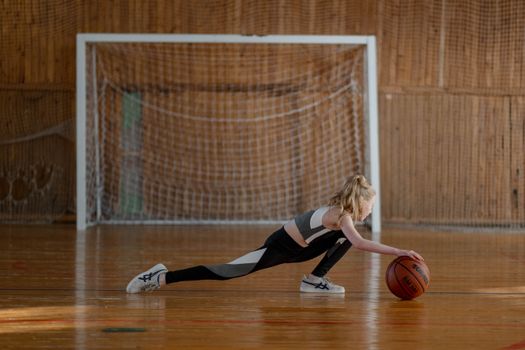
- Warm-Up and Cool-Down: Gentle jogging, stretching, and dynamic movements prepare young muscles for activity and help prevent injuries. - Appropriate Gear: Kids should wear well-fitted sneakers with good ankle support. For organized play, mouthguards are also recommended. - Hydration: Children are more susceptible to dehydration than adults. The American Council on Exercise suggests kids drink at least 5-8 ounces of water every 20 minutes during activity. - Rest: Children need rest days to recover and avoid overuse injuries. Experts recommend no more than 2-3 organized basketball sessions per week for kids under 12.Injury rates in youth basketball are relatively low—1.5 injuries per 1,000 athlete exposures, according to a 2021 study published in the Clinical Journal of Sport Medicine. Most injuries are minor (like sprains or bumps), but teaching safe play and emphasizing skill development over aggressive competition further reduces risks.
Supporting Your Child’s Basketball Journey
Parents and caregivers play a vital role in a child’s early basketball experience. Here’s how to provide meaningful support:
- Be Positive: Cheer for effort, improvement, and good sportsmanship—not just outcomes. - Encourage Practice at Home: Simple routines like dribbling in the driveway or shooting at a local park reinforce skills without pressure. - Model Healthy Habits: Show enthusiasm for physical activity and teamwork, and help children manage wins and losses gracefully. - Communicate with Coaches: Share any concerns about your child’s experience and ask about progress or ways to practice at home.Remember, the goal is to build a lifelong love for the game and for movement, not to create the next NBA star overnight. Focusing on enjoyment and steady progress is the best way to nurture both skills and confidence.
Unlocking a Lifelong Love of Basketball in Kids
Starting basketball training at a young age sets the stage for a healthy, active, and rewarding lifestyle. By focusing on foundational skills, age-appropriate activities, and a positive team environment, parents and coaches can help kids fall in love with the game. The most successful young athletes are those who enjoy the process, feel supported, and learn to value teamwork and personal improvement. Whether your child dreams of playing in high school, college, or simply wants to play for fun, early basketball training is a slam dunk investment in their future well-being.