Choosing Basketball Equipment for Beginners: A Step-by-Step Guide to Getting Started Right
Basketball is one of the most popular sports worldwide, with over 450 million players globally, according to FIBA (International Basketball Federation). Whether you’re a young athlete just taking your first dribble or an adult exploring a new hobby, starting with the right equipment can make all the difference. The variety of choices can be overwhelming—size, material, brands, prices, and even safety considerations. Making smart choices ensures a more enjoyable, safer, and effective introduction to the game.
This comprehensive guide will walk you through the process of selecting basketball equipment specifically for beginners. From finding the right basketball and hoop to choosing apparel and protective gear, every section is designed to help you make informed decisions with confidence.
Understanding the Basics: What Equipment Do Beginners Really Need?
Before diving into brands and specs, it’s essential to know which pieces of equipment are truly necessary for a beginner. Many newcomers assume they need a full arsenal, but in reality, the essentials are quite straightforward:
.png) - Basketball
- Basketball hoop (or access to one)
- Appropriate shoes
- Comfortable athletic apparel
- Basic protective gear (optional but recommended)
- Basketball
- Basketball hoop (or access to one)
- Appropriate shoes
- Comfortable athletic apparel
- Basic protective gear (optional but recommended)
Let’s break down why each item matters:
Basketball: The ball is, of course, indispensable. The right size and material are crucial for skill development, confidence, and safety. For instance, a standard NBA-size basketball (Size 7, 29.5 inches in circumference) is too large and heavy for children under 12.
Basketball Hoop: Beginners should have access to a hoop, whether it’s a mounted backboard in the driveway, a portable system, or a nearby community court. Adjustable hoops can accommodate growing players and different skill levels.
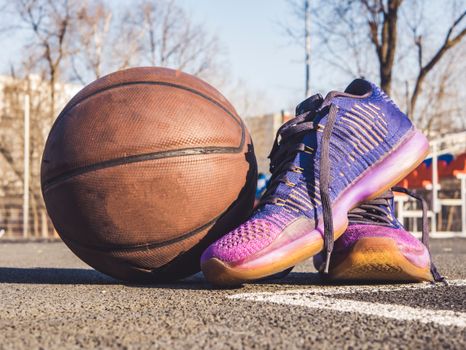
Shoes: Unlike running or casual sneakers, basketball shoes provide lateral support, ankle protection, and proper traction, helping prevent injuries and improve performance.
Apparel: Lightweight, breathable clothing enhances comfort and mobility, while minimizing distractions.
Protective Gear: While not mandatory, mouthguards, knee pads, and ankle braces can be helpful, especially for younger players or those prone to injury.
Choosing the Right Basketball: Size, Material, and Brand Considerations
The basketball itself is the heart of the game. For beginners, picking the correct size and material is crucial. Using the wrong ball can hinder learning and even cause physical strain.
Basketball Sizes: - Size 5 (27.5 inches): Ideal for children ages 8 and under. - Size 6 (28.5 inches): Recommended for boys ages 9-12 and girls/women ages 9 and up. - Size 7 (29.5 inches): Standard for boys/men ages 13+. Material Types: - Rubber: Durable and affordable, perfect for outdoor and playground use. - Composite Leather: Mimics genuine leather feel but is more affordable and suitable for both indoor and outdoor play. - Genuine Leather: High-end, used in professional leagues, requires a break-in period and is best for indoor use only.Let’s compare the common basketball types:
| Type | Best For | Average Price Range | Durability | Feel |
|---|---|---|---|---|
| Rubber | Outdoor/Street Play | $10-$25 | High | Firm/Grippy |
| Composite Leather | Indoor/Outdoor | $25-$60 | Medium-High | Softer, Game-Like |
| Genuine Leather | Indoor/Advanced | $60-$150 | Medium | Soft, Professional |
Major brands such as Spalding, Wilson, and Molten all make excellent beginner basketballs. Look for balls marked as “official size” for your age group and, if possible, test the grip and bounce before buying.
Selecting a Basketball Hoop: Portable, In-Ground, or Mounted?
Access to a hoop is essential for practice and play, but not all hoops are created equal. For beginners, the right choice depends on available space, budget, and long-term needs.
Types of Basketball Hoops:
Portable Hoops: These feature a weighted base (filled with sand or water) and can be moved around. Most models have adjustable heights, making them ideal for families or growing players. Prices range from $100 to $500.
In-Ground Hoops: Permanently installed with a concrete base, these offer superior stability and durability. While more expensive ($300-$1,500) and requiring installation, they’re ideal for serious play and frequent use.
Wall-Mounted Hoops: Mounted onto garages or walls, these save space and are relatively affordable ($100-$400). However, they lack the flexibility of height adjustment and are typically less robust than in-ground systems.
Key Considerations: - Adjustability: For beginners, a hoop that can be set lower than the standard 10 feet helps build confidence and skills. - Backboard Material: Polycarbonate is durable and budget-friendly; acrylic offers better rebound; tempered glass is top-of-the-line but pricier. - Location: Ensure there is a safe, flat area for installation and play.Example: An 8-year-old beginner would benefit from a portable, adjustable hoop set at 8 feet, paired with a Size 5 ball.
Basketball Shoes: Prioritizing Fit, Support, and Safety
Injuries are common in basketball, with over 200,000 basketball-related injuries treated in U.S. emergency rooms each year (CDC). The right shoes are the best defense against sprained ankles and other common problems. For beginners, comfort, proper fit, and support are more important than style or brand.
Important Features: - Ankle Support: High-top or mid-top shoes help stabilize the ankle, especially for young or inexperienced players. - Cushioning: Good shock absorption reduces stress on joints. - Traction: A non-marking rubber sole with a herringbone pattern prevents slipping. - Breathability: Mesh uppers keep feet cool during play. Shoe Shopping Tips: - Always try shoes on with your basketball socks. - There should be about a thumb’s width between your longest toe and the shoe’s tip. - Replace shoes every 6-12 months or when tread and support start to wear.While brands like Nike, Adidas, and Under Armour dominate the market, don’t overlook budget-friendly options from reputable athletic brands that offer solid beginner models for $40-$80.
Apparel and Protective Gear: Comfort and Injury Prevention for New Players
While the ball and shoes get most of the attention, beginner basketball players should also pay attention to their apparel and optional protective gear.
Apparel: - Tops: Sleeveless or short-sleeved moisture-wicking shirts are ideal. - Bottoms: Athletic shorts with an elastic waistband allow free movement. - Socks: Proper basketball socks (usually mid-calf) provide padding and prevent blisters. Protective Gear: - Mouthguards: Prevent dental injuries, especially in competitive settings. - Knee Pads/Elbow Pads: Offer protection during falls or aggressive play. - Ankle Braces: Good for players with a history of ankle injuries.Fact: According to the American Dental Association, athletes who don’t wear mouthguards are 60 times more likely to experience dental injury.
Beginners don’t need to invest in professional-grade gear, but a comfortable mouthguard and basic knee pads can go a long way in building confidence and reducing injuries.
Budgeting and Shopping Tips: How to Get Quality Without Overspending
Starting out in basketball doesn’t have to break the bank. It’s entirely possible to outfit a beginner with quality equipment for under $200. Here are some practical tips:
1. Set Priorities: Invest more in shoes and the basketball itself; opt for budget-friendly options for apparel and accessories. 2. Look for Starter Sets: Many brands offer bundles with a ball, pump, and sometimes a basic hoop at a discount. 3. Consider Used Equipment: Gently used hoops and shoes (with minimal wear) can be found at local sporting goods stores or online marketplaces. 4. Shop Off-Season: Prices often drop in late spring and summer, after basketball’s peak winter season. 5. Check Warranties: Some reputable brands (like Spalding and Wilson) offer warranties on their basketballs and hoops, which is useful for beginners who might be tough on their gear. Example Starter Budget: - Rubber basketball: $20 - Portable adjustable hoop: $120 - Entry-level basketball shoes: $40 - Apparel and mouthguard: $20Total: $200
Remember, the best equipment is the one that fits your needs, feels comfortable, and encourages you to keep playing.
Final Advice on Choosing Basketball Equipment for Beginners
The first steps in basketball are always the most exciting—and sometimes the most confusing. With a vast array of products and brands on the market, it’s easy to get lost or overspend. By focusing on the essentials, understanding the reasons behind each choice, and prioritizing fit and comfort, beginners set themselves up for a positive basketball experience.
Whether you’re shopping for a child or picking up the sport yourself, remember that skill development and joy come from playing, not from having the most expensive gear. Start with the basics, upgrade as your skills progress, and, most importantly, have fun on the court.