Properly executing basketball shots is a skill that every aspiring player must master to become effective on the court. Whether you dream of sinking three-pointers or simply want to contribute to your team’s score, understanding the mechanics and nuances of shooting is crucial. While many players focus on raw athleticism, the most successful shooters rely on proper technique, relentless practice, and a strong mental approach. This guide is designed specifically for beginners, breaking down the essential elements of basketball shot execution, highlighting common mistakes, and offering actionable tips to help you develop a consistent and reliable shot.
The Foundations of Basketball Shooting: Key Principles for Beginners
Every great basketball shooter, from Stephen Curry to Ray Allen, has mastered the fundamental principles that underpin every successful shot. For beginners, it’s essential to build a solid foundation before moving on to advanced techniques.
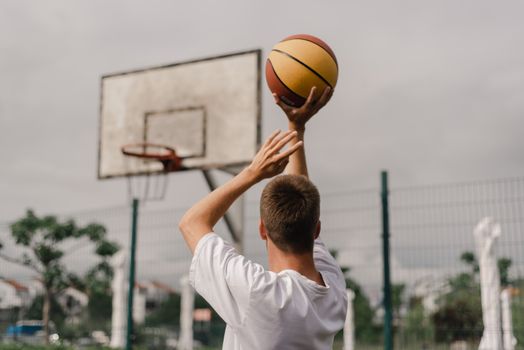
The most important shooting fundamentals can be remembered with the acronym B.E.E.F.:
.png) - Balance: Stand with your feet shoulder-width apart. Your weight should be evenly distributed, knees slightly bent, and your body aligned with the basket.
- Eyes: Focus your eyes on the target — usually the back rim or center of the hoop.
- Elbow: Keep your shooting elbow directly under the ball and in line with your shooting shoulder.
- Follow-through: After releasing the ball, extend your arm toward the basket, with your wrist relaxed and fingers pointing down.
- Balance: Stand with your feet shoulder-width apart. Your weight should be evenly distributed, knees slightly bent, and your body aligned with the basket.
- Eyes: Focus your eyes on the target — usually the back rim or center of the hoop.
- Elbow: Keep your shooting elbow directly under the ball and in line with your shooting shoulder.
- Follow-through: After releasing the ball, extend your arm toward the basket, with your wrist relaxed and fingers pointing down.
Research from the Journal of Sports Science & Medicine in 2019 found that players who consistently practiced these fundamentals improved their shooting percentage by up to 17% over a six-week period. For beginners, spending time to master these basics pays off in confidence and performance.
Perfecting Your Shooting Form: Step-by-Step Breakdown
Let’s break down the process of shooting a basketball, step by step, so you can perfect your form:
1. Stance and Grip: Begin by placing your feet shoulder-width apart, with your shooting foot slightly ahead. Grip the ball with your shooting hand under the ball and your guide hand on the side for stability. 2. Set Position: Bring the ball to your shooting pocket (roughly waist or chest height), keeping your elbow in and your shooting arm at a 90-degree angle. 3. The Shot Motion: In one smooth motion, push upward with your legs while extending your shooting arm. This upward force provides power, while your arm and wrist provide direction and spin. 4. Release and Follow-Through: As you reach the peak of your jump, release the ball with a gentle flick of the wrist. Hold your follow-through until the ball reaches the basket — this helps ensure accuracy. 5. Eyes on the Target: Maintain focus on your target throughout the motion. Studies have shown that players who keep their eyes fixed on their aiming spot increase their shot accuracy by 9-12%.Beginners often make the mistake of rushing their shot or shooting with their arms only, neglecting the power generated from their legs. Remember, a great shot is a coordinated, full-body movement.
Types of Basketball Shots: When and How to Use Them
Basketball isn’t just about the classic jump shot. To become a well-rounded player, it’s important to understand the different types of shots and when to use them. Here’s a comparison of some of the most common shots for beginners:
| Shot Type | Description | Best Used When | Difficulty (1-5) |
|---|---|---|---|
| Set Shot | Feet remain on the ground; used for free throws and stationary situations. | No defender pressure, free throws. | 1 |
| Jump Shot | Player jumps and releases the ball at the peak of the jump. | Mid-range, three-pointers, over defenders. | 3 |
| Layup | Close-range shot using the backboard, typically off the dribble. | Fast breaks, near the basket. | 2 |
| Bank Shot | Shot aimed at the backboard to angle the ball into the hoop. | From the sides or angles. | 2 |
| Hook Shot | One-handed shot with a sweeping arm motion, often used by post players. | Near the basket against taller defenders. | 4 |
For beginners, start with set shots and layups to build confidence, then progress to jump shots and more advanced moves like the hook shot. Practicing each type in game-like situations will help you develop versatility and adaptability.
Common Shooting Mistakes and How to Fix Them
Even experienced players fall into bad shooting habits. Recognizing and correcting these mistakes early can fast-track your improvement:
1. Thumb Flicking: Using your guide hand to push the ball causes it to spin off target. Solution: Focus on using your guide hand only for balance; the shooting hand should provide all the power. 2. Shooting Flat: Releasing the ball with little arc reduces the chances of a successful shot. Solution: Emphasize a higher follow-through and aim to give your shot a 45-degree arc — studies show this is optimal for most players. 3. Off-Balance Shots: Jumping or leaning off-balance leads to missed shots. Solution: Practice shooting from a solid base, and work on landing in the same spot you jumped from. 4. Inconsistent Follow-Through: Not holding your follow-through can lead to poor accuracy. Solution: After every shot, hold your follow-through until the ball hits the rim or net. 5. Not Using Legs: Relying only on arm strength tires you out and decreases accuracy. Solution: Focus on generating power from your legs, especially for longer shots.Data from a 2021 FIBA youth basketball study showed that correcting these common mistakes improved beginner shooting percentages by 10-15% over eight weeks.
Developing a Productive Shooting Practice Routine
Improving your shooting is all about consistent, focused practice. Experts recommend the following routine for beginners:
- Form Shooting (50 shots): Stand close to the basket and focus on perfect form — balance, elbow alignment, and follow-through. This builds muscle memory. - Spot Shooting (100 shots): Choose five spots around the key (baseline, wings, top) and shoot 20 shots from each. This simulates in-game situations. - Free Throws (30 shots): Practice under pressure. Aim for at least 70% accuracy, which matches the average free throw percentage in high school basketball. - Game-Like Shots (50 shots): Practice shots off the dribble, after a pass, or with a defender closing out.According to USA Basketball, players who follow a structured shooting routine at least three times per week see up to a 20% increase in their shooting accuracy over a three-month period.
A few additional tips for effective practice:
- Track your results to identify progress and areas to improve. - Practice at game speed to simulate real-game conditions. - Challenge yourself with time limits or contests to add pressure.Mental Strategies for Confident Shooting
Shooting is as much a mental challenge as a physical one. Even with perfect mechanics, self-doubt can undermine your performance. Here are some proven mental strategies:
- Visualization: Spend a few minutes before practice or games imagining yourself making shots. Olympians use visualization to boost confidence and performance. - Positive Self-Talk: Replace negative thoughts (“I always miss”) with affirming ones (“I am a good shooter”). - Routine: Develop a pre-shot routine — dribble, deep breath, focus — to calm nerves and create consistency. - Short Memory: Don’t dwell on missed shots. NBA players often say, “Shooters keep shooting.” Learn from misses and move on quickly.A 2022 study in the International Journal of Sport and Exercise Psychology found that players who practiced mental skills alongside physical skills increased their free throw shooting percentage by 8% compared to those who did not.
Final Thoughts on Mastering Basketball Shot Execution
Learning how to properly execute basketball shots is a journey that combines mechanics, repetition, and mental fortitude. For beginners, starting with a solid foundation — balance, eyes, elbow, and follow-through — will set the stage for long-term success. By understanding different shot types, correcting common mistakes, and adopting a structured practice routine, you can accelerate your progress and become a reliable shooter for your team.
Remember, every great shooter was once a beginner. The key is consistent, mindful practice, embracing feedback, and maintaining confidence even when shots don’t fall. With time, patience, and these evidence-based techniques, you can develop a shot that defenders fear and teammates trust.