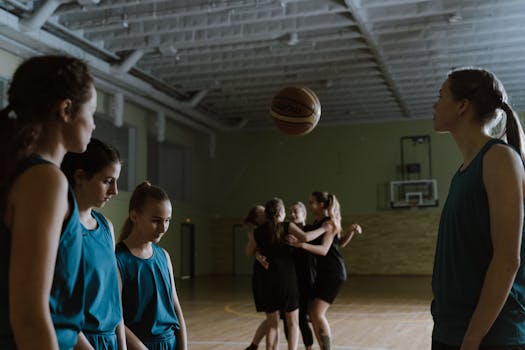
Basketball and Psychology: How to Manage Pressure During Important Matches
Basketball is a game of lightning-fast moves, bold strategies, and team synergy. But beneath the surface of every thrilling match lies an invisible force: psychological pressure. The roar of the crowd, the ticking clock, and the weight of expectations can make or break even the most talented athletes. What separates clutch performers from those who crumble under stress isn’t just physical training—it’s psychological resilience. This article dives deep into the science and strategies behind managing pressure in basketball, revealing how players at every level can harness their minds to shine when it matters most.
The Psychological Demands of High-Stakes Basketball
Pressure in basketball is not only inevitable—it’s often what defines the sport’s greatest moments. Whether it’s a championship game or a crucial free throw, players are constantly exposed to stressors like time constraints, hostile fans, and high expectations from coaches, teammates, and themselves.
According to a 2021 study published in the journal "Psychology of Sport and Exercise," over 68% of professional basketball players report experiencing elevated anxiety during major games. Performance anxiety can manifest in many ways: shaky hands, racing thoughts, or self-doubt. For young athletes, the numbers are even higher, with the NCAA reporting that 80% of college basketball players feel increased pressure during playoffs.
.png)
Key psychological challenges in high-pressure basketball include:
- Fear of failure and letting the team down - Overthinking and “paralysis by analysis” - Distraction from crowd noise or trash talk - Physical symptoms like sweaty palms or tense musclesUnderstanding these mental hurdles is the first step toward overcoming them. But how do elite athletes stay focused and composed? The answer lies in psychological training, just as important as physical drills.
Mental Preparation: Building Psychological Toughness
Mental toughness is the ability to perform at your best, regardless of circumstances. Unlike talent or physical fitness, it’s a skill that can be nurtured through deliberate practice. Leading sports psychologists recommend several techniques to build psychological resilience:
1. Visualization: Before big matches, many players use mental imagery to rehearse successful plays or picture themselves calmly sinking free throws. NBA stars like LeBron James and Stephen Curry are known advocates of visualization, crediting the technique for helping them stay composed under pressure. 2. Positive Self-Talk: Research shows that replacing negative thoughts (“I can’t miss this shot”) with constructive affirmations (“I’ve made this shot a hundred times”) can improve performance by up to 23%. Self-talk scripts are now a staple in professional training programs. 3. Routine Creation: Rituals—like bouncing the ball three times before a free throw—anchor players in the present moment and reduce anxiety. According to the Journal of Applied Sport Psychology, 76% of elite basketball players use some form of pre-shot routine. 4. Mindfulness Training: Mindfulness, or focusing on the present without judgment, helps players tune out distractions and manage stress. Teams like the Los Angeles Lakers have incorporated mindfulness meditation into their regular practices with noticeable benefits in player focus and mood.By integrating these mental exercises into daily routines, basketball players at all levels can increase their capacity to handle the pressures of competition.
On-Court Strategies: Staying Cool When It Counts
While mental preparation is essential, what happens when the ball is in play and the heat is on? Here are proven on-court strategies to manage pressure during critical moments:
- Controlled Breathing: Slow, deep breaths activate the parasympathetic nervous system, calming the body and mind. Players like Chris Paul have spoken about using breathing techniques at the free-throw line to steady nerves. - Focused Attention: Blocking out distractions is crucial. Some athletes use “cue words” or focus points—like staring at the rim or repeating a single word—to keep their minds from wandering. - Chunking the Game: Breaking the match into smaller segments or “mini-games” can make overwhelming situations feel manageable. Instead of worrying about the final score, players focus on winning the next possession or making the next defensive stop. - Communication and Support: Team huddles, positive encouragement, and quick check-ins with teammates can help distribute pressure and create a sense of unity.Consider the 2016 NBA Finals: Under immense pressure, LeBron James and Kyrie Irving executed critical plays by relying on routines and focusing on one possession at a time, ultimately leading the Cavaliers to an improbable comeback victory.
Comparing Performance: Under Pressure vs. Without Pressure
To illustrate the impact of psychological pressure, let’s look at some real-world data. The table below compares free-throw shooting percentages in the NBA during regular season versus playoffs—where stakes and pressure are far higher.
| Situation | Average Free-Throw % | Sample (NBA Players) |
|---|---|---|
| Regular Season | 77.1% | 300+ |
| Playoffs | 74.6% | 300+ |
| Last 2 Minutes (Playoffs) | 68.3% | Top 50 free-throw takers |
This data from Basketball Reference (2023) shows a clear trend: as pressure increases, even elite players tend to perform slightly worse, particularly in clutch moments. The drop may seem small, but in a close game, a few percentage points can mean the difference between victory and defeat.
Role of Coaches and Support Systems in Pressure Management
While much of pressure management occurs within the player, coaches and support staff play a pivotal role in creating an environment that fosters psychological resilience.
- Pre-Game Preparation: Coaches who emphasize skill mastery and preparation help players feel confident in their abilities, reducing anxiety. According to a 2022 survey by the National Basketball Coaches Association, 84% of coaches include mental skills training in their programs. - In-Game Adjustments: During tense moments, coaches can call timeouts, offer tactical guidance, and use motivational strategies to help players reset mentally. - Emotional Intelligence: Coaches and staff with high emotional intelligence can better recognize when a player is struggling with pressure and offer personalized support, whether through encouragement or tactical substitutions. - Family and Peer Support: Studies show that players with strong off-court support networks report lower stress levels and greater enjoyment of the game, even in pressure situations.One practical example is the San Antonio Spurs, who have long been recognized for their player-centric culture. Under coach Gregg Popovich, the team emphasizes open communication, psychological safety, and work-life balance, which many players cite as key to their sustained success under pressure.
Long-Term Benefits of Mastering Pressure in Basketball
Learning to manage pressure on the basketball court offers lasting benefits that extend far beyond sport. Players who develop psychological resilience often exhibit:
- Improved academic or work performance - Greater emotional stability in daily life - Enhanced leadership and teamwork skills - Increased self-confidence and adaptabilityA 2020 study by the Aspen Institute found that youth athletes who practice mental skills in high-pressure situations are 40% more likely to report high self-esteem and persistence in other life challenges.
Moreover, mental strategies developed on the court—like goal setting, stress management, and focus—translate seamlessly to business, academics, and relationships. In this way, basketball becomes an arena for lifelong personal growth.
Final Thoughts: Turning Pressure into Opportunity in Basketball
Pressure is an inescapable part of competitive basketball, but it doesn’t have to be a player’s downfall. Through a mix of mental training, on-court tactics, and strong support systems, athletes can not only withstand the heat of the moment but thrive in it. The ability to manage pressure is what transforms talented players into legends and makes basketball one of the most psychologically rich sports in the world.
By embracing the mental side of the game, athletes at all levels can unlock new dimensions of their performance—proving that true greatness is as much about the mind as it is about the muscles.