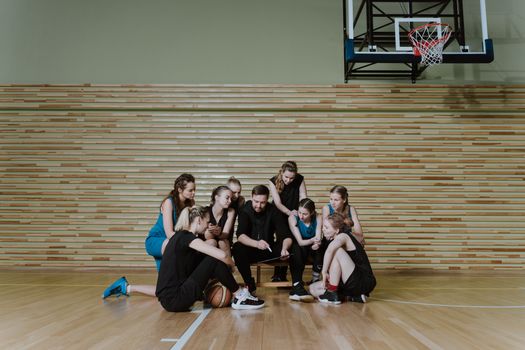
Team chemistry is often the secret ingredient separating good basketball teams from truly great ones. While skills, athleticism, and tactics matter, the ability of players to trust, communicate, and work together smoothly often determines who wins critical games. Even at the professional level, talented rosters sometimes underperform due to poor chemistry, while cohesive teams punch above their weight. The good news? Team chemistry isn’t just luck — it can be built, strengthened, and maintained with intention. In this article, we’ll break down proven strategies and exercises to improve team chemistry in basketball, giving your squad the edge both on and off the court.
Understanding Team Chemistry’s Role in Basketball Success
Team chemistry refers to how well players interact, communicate, and support one another to achieve shared goals. According to a 2021 survey by the National Federation of State High School Associations (NFHS), 87% of basketball coaches ranked team chemistry as a top-three factor for season success. Teams with strong chemistry typically:
- Communicate more effectively during games - Respond better to adversity and setbacks - Share the ball and make unselfish plays - Hold each other accountable without conflictThe impact of chemistry is clear in statistics: For example, NBA teams that rank in the top 5 for assists per game — a proxy for teamwork — have a 68% higher chance of making the playoffs compared to those in the bottom 5, based on league data from 2018-2023. Ultimately, chemistry underpins everything from offensive flow to defensive rotations, making it a cornerstone for building winning basketball teams.
.png)
Building Trust: The Foundation of Team Chemistry
Trust is the bedrock of any high-performing team. Without trust, players hesitate to pass, fear criticism, and are less likely to take necessary risks. Building trust doesn’t happen overnight, but coaches and players can foster it through specific actions:
1. $1: Encourage players to speak honestly and listen actively during practices and team meetings. Consider regular “open floor” sessions where everyone can voice concerns or ideas without judgment. 2. $1: Begin the season with non-basketball exercises that reveal personal interests, backgrounds, or funny stories. For example, have each team member share something unique about themselves or a personal goal for the season. 3. $1: Pair up players as accountability buddies. Each pair checks in weekly to discuss progress on individual and team goals. This builds connections and reinforces responsibility. 4. $1: Celebrate not just wins, but also effort, hustle plays, and acts of sportsmanship. A culture of recognition boosts morale and mutual respect.A 2020 study published in the Journal of Sport Behavior found that teams participating in weekly trust-building activities reported 32% fewer internal conflicts during the season compared to teams that did not.
Communication Drills to Enhance On-Court Synergy
Effective, clear communication is the lifeblood of team basketball. It ensures everyone knows their role, adjusts to changes, and can execute plays smoothly. But communication skills must be practiced deliberately, not just assumed.
Here are three basketball-specific communication drills:
1. $1: During scrimmages, require players to “echo” (repeat) the play call loudly down the line. This ensures everyone hears and processes the play, and is especially useful in loud gym environments. 2. $1: One player is blindfolded; teammates must guide them verbally to receive and pass the ball. This drill sharpens both listening and concise instruction skills. 3. $1: In the classic shell drill, require defenders to call out screens, switches, or help loudly and consistently. Award points for clear, timely communication, not just physical execution.A survey by the American Basketball Coaches Association (ABCA) in 2022 found that teams that spent at least 10 minutes per practice on communication drills saw a 15% improvement in defensive efficiency over the course of a season.
Off-Court Activities That Strengthen Bonds
Basketball chemistry isn’t cultivated solely on the hardwood. Off-court experiences can be even more powerful for building camaraderie and trust. Here are some creative, proven off-court strategies:
- $1: Sharing food is a universal way to connect. Organize regular team breakfasts, lunches, or dinners where basketball talk is optional. - $1: Working together on a community service project or fundraiser gives players a shared purpose beyond the game and reinforces unity. - $1: Activities where players must solve puzzles or complete tasks together foster problem-solving and communication in a fun setting. - $1: Pair older players or captains with younger teammates for informal guidance both on and off the court.According to research by the Positive Coaching Alliance, teams that engage in monthly off-court bonding activities report a 22% higher player retention rate year-to-year.
Incorporating Team Chemistry into Practice Plans
Integrating chemistry-building exercises into regular practices ensures it’s prioritized, not forgotten. Here’s how coaches can weave chemistry development into standard basketball training:
- $1: Mix up lineups regularly in drills and scrimmages so players get used to working with every teammate, not just their usual group. - $1: At the start of the season, have the team set collective goals (e.g., total assists per game, defensive stops) alongside individual goals. Revisit these regularly and review progress as a group. - $1: Teach players effective ways to handle disagreements or mistakes. Role-play common scenarios such as missed assignments or tough losses, focusing on constructive feedback. - $1: End each practice by highlighting a positive team moment — a great pass, a hustle play, or supportive communication.The table below compares the effectiveness of different chemistry-building activities, based on survey data from high school and college basketball coaches.
| Activity | Reported Impact on Chemistry (1-5) | Frequency Used |
|---|---|---|
| Team Meals | 4.5 | Weekly |
| Communication Drills | 4.2 | Every Practice |
| Trust-Building Games | 4.0 | Biweekly |
| Volunteer Projects | 3.8 | Monthly |
| Conflict Resolution Workshops | 3.6 | Once/Season |
As seen, regular team meals and communication drills are rated as most impactful and are used most frequently, highlighting their importance in chemistry development.
Measuring and Maintaining Team Chemistry Over Time
Building chemistry is an ongoing process. Coaches and players should regularly assess and nurture it throughout the season. Here are some methods to measure and maintain team chemistry:
- $1: Distribute quick surveys where players rate trust, communication, and teamwork on a scale of 1-5. Review trends over time. - $1: Coaches can use checklists to note positive (e.g., encouragement, high-fives) and negative (e.g., blaming teammates) interactions during games and practices. - $1: Hold team meetings mid-season to reflect on what’s working and what needs improvement. Give everyone a voice in shaping team culture. - $1: Celebrate examples of great teamwork in film sessions and team chats, not just stats.According to a 2023 NCAA Division I study, teams that regularly evaluated and discussed chemistry reported a 17% improvement in overall player satisfaction and a 12% increase in win percentage compared to teams that did not.
Final Thoughts on Building Basketball Team Chemistry
Improving team chemistry in basketball is a multifaceted, ongoing endeavor. It requires deliberate effort, creativity, and buy-in from every player and coach. By prioritizing trust-building, communication, off-court bonding, and consistent practice integration, teams can develop a powerful sense of unity that translates directly into better performance on the court. Remember, the strongest teams are seldom just a collection of talent — they’re cohesive units built on mutual respect, shared purpose, and genuine connection.