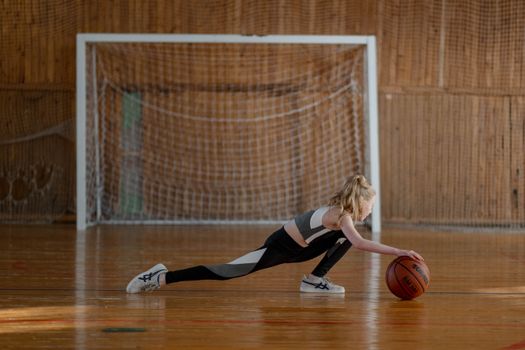
Basketball and Technology: How Modern Gadgets Help Players Improve Performance
Basketball has always been a game of skill, athleticism, and strategy. But in the fast-paced world of sports, technology is quickly becoming just as critical as natural talent. From smart wearables and AI-powered analytics to cutting-edge training simulators, modern gadgets are revolutionizing the way players train, compete, and recover. This article delves into the dynamic relationship between basketball and technology, highlighting how innovative devices are helping athletes at all levels sharpen their performance, minimize injuries, and gain an edge on the court.
The Rise of Smart Wearables in Basketball
Wearable technology has exploded in popularity across many sports, and basketball is no exception. Devices such as smartwatches, fitness bands, and even sensor-embedded clothing provide players and coaches with real-time data on physical performance. According to a 2023 Statista report, the global wearable sports technology market is expected to surpass $18 billion by 2025, reflecting its increasing adoption among both professionals and amateurs.
In basketball, wearables play a crucial role by tracking key metrics such as heart rate, movement speed, jump height, and fatigue levels. For example, the WHOOP Strap, used by NBA stars like Kevin Durant, measures strain, recovery, and sleep, allowing athletes to optimize training loads and avoid overexertion. Another example is the Catapult system, which utilizes GPS and inertial sensors to analyze player movement, helping teams design more efficient training plans based on objective data.
.png) These devices offer several advantages:
- Immediate feedback: Players gain insights into their physical status during or after a session.
- Injury prevention: By monitoring workload and fatigue, athletes can reduce the risk of overuse injuries.
- Personalized training: Coaches can tailor workouts to individual player needs, maximizing development.
These devices offer several advantages:
- Immediate feedback: Players gain insights into their physical status during or after a session.
- Injury prevention: By monitoring workload and fatigue, athletes can reduce the risk of overuse injuries.
- Personalized training: Coaches can tailor workouts to individual player needs, maximizing development.
Advanced Shot Tracking and Smart Basketballs
One of the most significant leaps in basketball tech involves shot tracking systems and smart basketballs. Traditional shooting drills are now enhanced by gadgets that provide precise analytics on shooting accuracy, arc, speed, and backspin.
A leading example is the Wilson X Connected Basketball, which contains embedded sensors that track every shot taken, whether it’s a swish, a brick, or a rim shot. The data syncs with a mobile app, giving players instant feedback on shooting percentage and trends over time. Similarly, the ShotTracker system uses sensors placed on the player and around the court to capture detailed stats on every shot, including location and success rates.
Teams from the NCAA and even the NBA have integrated these technologies into their practice routines. According to ShotTracker, teams using their system have seen a 15% increase in shooting performance after just three months of use. The ability to quantify and analyze every shot helps players identify weaknesses and focus their training for maximum improvement.
Video Analysis: From Courtside Cameras to AI Insights
Video analysis has become a cornerstone of basketball coaching, but recent advances in artificial intelligence (AI) are taking it to new heights. Modern systems automatically break down game footage, tag key events (such as assists, turnovers, or defensive lapses), and generate player-specific recommendations.
Platforms like Hudl and Synergy Sports utilize AI-driven analytics to provide in-depth reports on shot selection, defensive tendencies, and opponent strategies. For example, Hudl’s advanced tagging features allow coaches to quickly assemble highlight reels, while Synergy’s massive database covers over 50,000 games per season, offering granular scouting information.
One striking statistic: according to the NBA, teams employing AI-powered video analysis have reported up to 20% faster turnaround in scouting reports, allowing coaches to make quicker, more informed decisions. For individual players, reviewing AI-highlighted clips helps them visually understand their strengths and areas for improvement, turning every video session into a targeted learning experience.
Biomechanics and Motion Capture: Fine-Tuning Movement
Biomechanical analysis and motion capture systems have traditionally been reserved for elite athletes and research labs, but they are increasingly accessible to basketball programs at all levels. These technologies use high-speed cameras and sensors to create 3D models of player movement, allowing for an in-depth analysis of shooting form, running gait, and jumping mechanics.
Systems like Vicon and Simi Motion are now used by NBA teams and top college programs to assess everything from knee alignment during a jump to shoulder rotation on a jump shot. By identifying subtle inefficiencies or risky patterns, coaches and trainers can correct form and reduce injury risk. For example, studies have shown that motion analysis can help reduce ACL injuries by up to 30% in athletes who undergo targeted corrective training.
Moreover, biomechanics is not limited to injury prevention. By optimizing movement efficiency, players can increase their vertical leap, improve lateral quickness, and sustain higher levels of performance over a season.
Virtual Reality and Immersive Training Systems
Virtual Reality (VR) is one of the most exciting frontiers in basketball technology. VR training platforms allow players to simulate game situations, practice decision-making, and experience high-pressure scenarios without stepping onto the court.
STRIVR, a leading VR company, has worked with NBA teams to create realistic simulations of defensive rotations, pick-and-rolls, and late-game situations. Players can put on a headset and “play” through hundreds of unique scenarios in a single session, building mental reps that translate directly to improved performance during real games.
A study by the University of Southern California found that athletes who incorporated VR into their training improved their reaction time by 12% and decision-making accuracy by 9% over six weeks. This kind of immersive practice is especially valuable for younger players or those recovering from injury, as it allows for skill development without physical strain.
Comparing Popular Basketball Performance Gadgets
With the proliferation of gadgets, players and coaches may wonder which tools offer the best value or suit their specific needs. The table below compares some of the most popular performance technologies in basketball:
| Gadget/System | Main Function | Key Feature | Typical User | Estimated Cost |
|---|---|---|---|---|
| WHOOP Strap | Wearable tracking | Monitors recovery & strain | Pros, amateurs | $239/year subscription |
| ShotTracker | Shot analytics | Tracks every shot attempt/location | Teams, individuals | $200-$300 |
| Hudl | Video analysis | AI tagging & highlights | Teams, coaches | $400-$2000/year |
| Vicon Motion System | Biomechanical analysis | 3D movement mapping | Elite programs | $10,000+ |
| STRIVR VR | Virtual Reality training | Game simulation scenarios | Teams, individuals | $1,000+/license |
The Future of Basketball Performance: Tech Trends to Watch
As technology continues to advance, basketball performance gadgets are expected to become even more sophisticated, integrated, and accessible. Here are a few trends shaping the future:
1. $1: Beyond analyzing data, future systems will offer real-time coaching suggestions, adapting practice drills on the fly based on player performance. 2. $1: AR glasses could project digital defenders or passing targets onto the court, creating interactive, game-like training environments. 3. $1: Next-generation wearables may monitor hydration, blood glucose, or even muscle oxygenation, providing a comprehensive view of athlete health. 4. $1: Teams and scouts are increasingly relying on objective tech-based performance metrics to identify emerging talent, reducing bias and expanding the talent pool.A 2022 Deloitte survey found that 72% of professional sports teams plan to increase their investment in performance technology over the next five years, indicating that the marriage between basketball and high-tech is only becoming stronger.
How Technology Is Democratizing Basketball Improvement
Perhaps the most exciting aspect of these advancements is their increasing accessibility. While some high-end systems are still reserved for elite teams, many gadgets—like smart basketballs and wearable trackers—are now affordable for youth leagues, high schools, and even casual players.
Apps powered by AI can provide analysis and feedback for anyone with a smartphone and a hoop. This democratization means that the benefits of technology are no longer confined to NBA stars or top college prospects; any player with the drive to improve can leverage these tools to elevate their game.
Final Thoughts on Basketball and Technology’s Impact on Performance
The fusion of basketball and technology is transforming the sport, offering players unprecedented ways to measure, analyze, and enhance their performance. From wearables that track every heartbeat to VR simulations that build decision-making skills, modern gadgets are reshaping how athletes train, recover, and compete. As these technologies become more accessible, they empower not just professionals but players at every level to reach their full potential. The future of basketball will belong not just to the most talented, but to those who embrace and adapt to the ever-evolving world of sports technology.