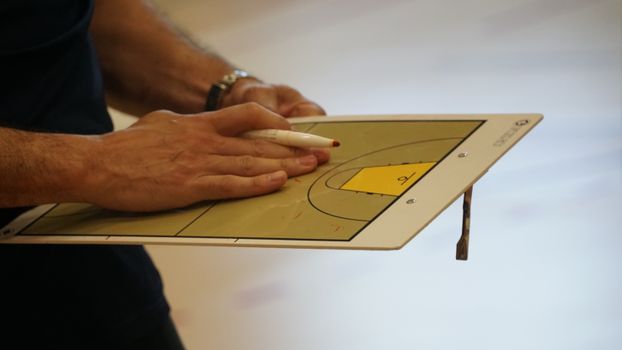
Climbing the Ranks: How to Become an Elite Basketball Coach Step by Step
The journey to becoming an elite basketball coach isn’t just about knowing the X’s and O’s of the game. It’s a path marked by continuous learning, strategic networking, hands-on experience, and an unwavering passion for both player development and personal growth. Whether you dream of leading a top high school team, breaking into college programs, or making your mark in professional leagues, understanding each stage of the process is essential.
According to the National Federation of State High School Associations (NFHS), there are over 40,000 high school head basketball coaches in the United States alone. Yet, only a select few ever reach the upper echelons of coaching. What sets these elite coaches apart isn’t just their win-loss record—it’s a unique blend of skills, education, and relentless ambition. This comprehensive guide will walk you through the actionable steps to transform your coaching aspirations into a dynamic, successful career.
Building a Strong Basketball Foundation: Education and Certification
Before you can coach at the highest level, you need a deep understanding of basketball’s tactical, technical, and psychological elements. This foundation is built through a combination of formal education, certifications, and self-driven learning.
.png) 1. Pursue Relevant Education: While not strictly required, a bachelor’s degree in sports science, physical education, or a related field provides a valuable knowledge base. According to the U.S. Bureau of Labor Statistics, 39% of coaches have a bachelor’s degree, while 22% hold a master’s. Coursework in kinesiology, psychology, and sports management can give you an edge.
2. Obtain Coaching Certifications: Certifications demonstrate your commitment and help you stand out. The USA Basketball Gold Coach License, for example, includes coursework in player safety, skill development, and ethics. The National Federation of State High School Associations (NFHS) also offers a respected coaching certification.
3. Stay Updated: Elite coaches are lifelong learners. Attend clinics, workshops, and webinars. Read books and subscribe to coaching periodicals. In 2023, over 12,000 coaches attended NCAA-official coaching clinics, showing the importance of ongoing education.
1. Pursue Relevant Education: While not strictly required, a bachelor’s degree in sports science, physical education, or a related field provides a valuable knowledge base. According to the U.S. Bureau of Labor Statistics, 39% of coaches have a bachelor’s degree, while 22% hold a master’s. Coursework in kinesiology, psychology, and sports management can give you an edge.
2. Obtain Coaching Certifications: Certifications demonstrate your commitment and help you stand out. The USA Basketball Gold Coach License, for example, includes coursework in player safety, skill development, and ethics. The National Federation of State High School Associations (NFHS) also offers a respected coaching certification.
3. Stay Updated: Elite coaches are lifelong learners. Attend clinics, workshops, and webinars. Read books and subscribe to coaching periodicals. In 2023, over 12,000 coaches attended NCAA-official coaching clinics, showing the importance of ongoing education.
Gaining Real-World Experience: From Volunteer to Lead Coach
Elite coaches don’t start at the top. Experience, both on and off the court, is the most valuable teacher.
1. Start with Assistant and Volunteer Roles: Most elite coaches begin as assistants, learning under seasoned mentors. Volunteering for youth leagues, community teams, and school programs allows you to experiment with different coaching styles and responsibilities. 2. Seek Progressive Responsibility: As you develop, aim for positions with increasing responsibility. Coaching a junior varsity team or leading off-season training programs provides hands-on management experience. 3. Analyze and Reflect: Keep detailed practice and game notes. Analyze what’s working, where players struggle, and how you handle in-game adjustments. Self-reflection is a tool elite coaches use to refine their approach. 4. Embrace Diverse Environments: Some coaches find success by working in international leagues, summer camps, or specialized basketball academies. In 2022, over 4,500 American coaches worked abroad, gaining exposure to different playing styles and training methodologies.Mastering Advanced Tactics and Technology
In today’s competitive basketball landscape, elite coaches are distinguished by their command of advanced tactics and their ability to integrate technology into training and game preparation.
1. Deepen Tactical Knowledge: Move beyond basic offensive and defensive schemes. Study advanced analytics, game theory, and situational play-calling. For instance, NBA coaches use player tracking data to inform lineup decisions and in-game adjustments. 2. Harness Video Analysis: Modern coaching relies heavily on video technology. Tools like Hudl, Synergy Sports, and Coach’s Eye allow coaches to break down games, analyze player movements, and share actionable feedback. According to Synergy Sports, 90% of NCAA Division I teams use their software for scouting and player development. 3. Implement Data-Driven Decision Making: Use statistical analysis to identify strengths, weaknesses, and trends. For example, tracking effective field goal percentage (eFG%) and player efficiency rating (PER) helps elite coaches optimize lineups and rotations. 4. Stay Ahead with Emerging Tech: Explore wearable fitness trackers, shot tracking sensors, and virtual reality (VR) training modules. These tools not only improve player performance but also give coaches a recruiting and development edge.Nurturing Leadership and Communication Skills
Technical knowledge alone doesn’t make a coach elite. The ability to motivate, communicate, and lead is just as crucial.
1. Develop Emotional Intelligence: The best coaches are keenly aware of their players’ emotions and team dynamics. According to a 2021 study by the Journal of Sports Sciences, teams led by coaches with high emotional intelligence performed 16% better in close-game situations. 2. Build Trust Through Communication: Elite coaches foster open dialogue. They listen as much as they instruct, and they provide feedback that is both honest and constructive. 3. Learn Conflict Resolution: Managing personalities and resolving disputes is a daily part of coaching. Formal training in conflict management and negotiation—often available through coaching associations—can be invaluable. 4. Model Leadership: Set the standard for work ethic, discipline, and professionalism. Players, parents, and fellow coaches will look to you as a role model both on and off the court.Networking, Mentorship, and Career Advancement
No coach reaches elite status alone. Building a strong network and seeking mentorship are essential steps for professional growth and visibility.
1. Attend Coaching Conventions and Clinics: These events are prime opportunities to meet established coaches, scout recruiters, and administrators. In 2023, the National Association of Basketball Coaches (NABC) national convention drew over 6,000 participants. 2. Join Professional Associations: Membership in organizations like the NABC or the Women’s Basketball Coaches Association (WBCA) provides access to job boards, continuing education, and exclusive events. 3. Seek Out Mentors: Identify respected coaches at higher levels and request mentorship. Many elite coaches credit their success to the guidance of mentors who offered feedback, career advice, and networking introductions. 4. Leverage Social Media and Online Presence: Building an online portfolio—complete with practice plans, highlight reels, and philosophy statements—can attract job offers and speaking opportunities.Comparing Coaching Levels: High School, College, and Professional
The pathway to elite coaching varies depending on your target level. Here’s a comparison of key requirements and realities across major coaching tiers:
| Coaching Level | Typical Requirements | Average Salary (2023) | Number of Positions (US) | Key Challenges |
|---|---|---|---|---|
| High School | Bachelor’s degree (optional), state certification, background check | $45,000 | 40,000+ | Limited budgets, parent involvement, balancing teaching/coaching duties |
| College (NCAA D1) | Bachelor’s degree, coaching experience, NCAA compliance knowledge | $250,000 | ~1,100 | Recruiting pressure, media scrutiny, compliance regulations |
| Professional (NBA/WNBA) | Extensive coaching experience, player development record, networking | $3 million (NBA average head coach) | 30 (NBA), 12 (WNBA) | High turnover, intense competition, media and fan pressure |
Final Steps: Sustaining Excellence as an Elite Basketball Coach
Reaching the elite level is a remarkable achievement, but staying there requires continuous effort and adaptation. The basketball world is always evolving, with new playing styles, technologies, and challenges emerging each season.
1. Commit to Lifelong Learning: Elite coaches never stop studying the game. They attend workshops, consult with peers, and analyze the latest trends in basketball strategy and athlete development. 2. Prioritize Self-Care and Work-Life Balance: Burnout is a common issue, especially at the highest levels. Make time for personal interests and family to remain fresh and effective. 3. Give Back to the Community: Many top coaches mentor young coaches, run clinics, or participate in charitable initiatives. This not only builds the game but also enhances your reputation and legacy.The journey to elite coaching is demanding, but with passion, preparation, and perseverance, it is within reach. The steps outlined above provide a proven roadmap for those ready to lead at the highest levels of basketball.