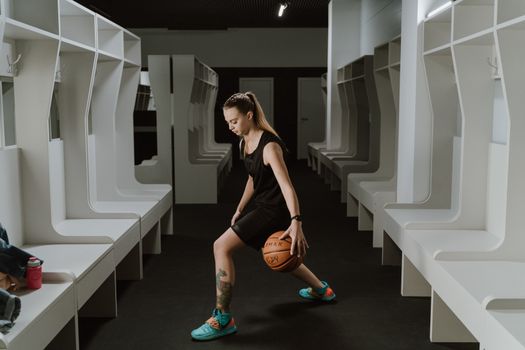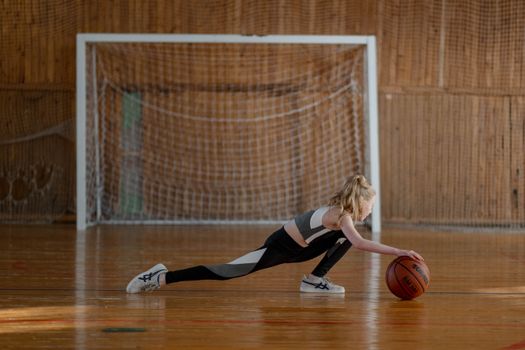
Dribbling is the heartbeat of basketball, the skill that links creative offense to effective team play. Whether you dream of dazzling defenders with quick crossovers or simply want to become a more reliable ball handler under pressure, developing strong dribbling skills is essential. Yet, many players focus only on speed or flashy moves, overlooking the foundational techniques and targeted exercises that truly elevate their game. In this in-depth guide, we’ll explore how to improve your dribbling with specific exercises, advanced techniques, and practical tips. You’ll discover strategies used by elite players, the science behind ball control, and how to structure your practice for real, measurable progress.
The Building Blocks: Understanding Dribbling Fundamentals
Before diving into advanced drills and creative techniques, it’s crucial to master the basics. Proper dribbling starts with hand positioning, body posture, and ball control. Research shows that players who focus on these fundamentals early on develop more advanced skills faster and retain them longer.
The foundation includes:
- $1 Keep your fingertips spread and use your pads, not your palm, to control the ball. This increases sensitivity and control. - $1 Maintain a low, athletic stance with knees bent and back straight. This posture allows for quicker changes of direction and better protection from defenders. - $1 The ball should bounce no higher than your waist during most dribbles. This keeps it out of reach from defenders and increases reaction time.A 2019 study published in the Journal of Sports Sciences found that players who practiced with a focus on posture and hand placement improved their effective dribbling speed by 17% over those who only focused on moving faster. This underscores the importance of quality over quantity in early-stage skill development.
.png)
Essential Dribbling Exercises for All Levels
To build reliable dribbling skills, consistency and repetition are key. Here are some time-tested exercises used by both beginners and professionals:
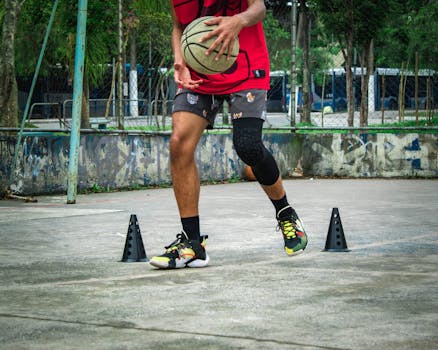
1. $1 Stand in one spot and practice dribbling at various heights—low (just above the floor), medium (waist-high), and high (shoulder level). Alternate hands every 30 seconds. This simple drill builds muscle memory and ball control. 2. $1 With knees bent and feet shoulder-width apart, dribble the ball in a figure-eight pattern around and between your legs. This improves hand quickness and coordination. 3. $1 Set up a series of cones in a zigzag pattern about 3 feet apart. Dribble through the cones using your right hand, then left, focusing on tight, controlled movements. This enhances agility and simulates in-game changes of direction. 4. $1 Spend at least 40% of your practice time dribbling with your non-dominant hand. NBA data shows that players with ambidextrous dribbling skills commit 20% fewer turnovers on average. 5. $1 On an open court, dribble as quickly as possible from baseline to baseline, focusing on keeping the ball under control even at top speed.Try incorporating these into a weekly routine, aiming for at least 15 minutes of focused dribbling practice per session. Over time, you’ll notice improved comfort and confidence with the ball in your hands.
Advanced Techniques to Elevate Your Dribbling
Once the basics feel natural, it’s time to add complexity to your arsenal. Advanced dribbling techniques not only help you beat defenders but also open up passing and shooting opportunities for yourself and teammates.
- $1 One of the most iconic moves in basketball, the crossover involves quickly switching the ball from one hand to the other while changing direction. Effective crossovers use a sharp, low bounce and a convincing body fake to mislead defenders. - $1 Used to protect the ball from aggressive defenders, this move requires you to swing the ball behind your body from one hand to the other while moving forward or laterally. Mastery of this technique can help you navigate through tight spaces. - $1 By planting your lead foot and spinning your body, you can use your back to shield the ball from opponents while changing direction. This move requires impeccable timing and balance. - $1 A sudden pause or change in pace can freeze defenders, giving you an opening to drive past them or set up a jump shot. Top NBA guards like Kyrie Irving and Chris Paul use this move to great effect. - $1 This move fakes a crossover but instead keeps the ball in the same hand, deceiving defenders and creating space.A comparative look at these advanced techniques highlights their unique purposes:
| Technique | Main Benefit | Complexity Level | Common Use Case |
|---|---|---|---|
| Crossover Dribble | Creates separation from defender | Intermediate | Perimeter moves, isolation plays |
| Behind-the-Back | Protects ball from defender | Advanced | Transition, breaking presses |
| Spin Move | Changes direction quickly | Advanced | Attacking the paint |
| Hesitation Dribble | Freezes defender | Intermediate | Setting up drives or shots |
| In-and-Out Dribble | Deceives defender | Intermediate | Perimeter attacks |
Practicing these moves slowly at first, then gradually increasing speed and adding defensive pressure, is the best way to integrate them into your in-game repertoire.
The Role of Vision and Decision-Making in Dribbling
Elite dribbling isn’t just about controlling the ball—it’s about reading the defense and making quick decisions. Studies from the National Basketball Coaches Association suggest that players who practice “heads-up” dribbling—keeping their eyes off the ball and scanning the court—improve their assist rates by up to 25%.
Here’s how to develop better court vision while dribbling:
- $1 Practice dribbling while calling out numbers, colors, or objects held up by a coach or teammate. This forces you to look away from the ball. - $1 Pair up with a teammate. One leads with various dribble moves while the other mirrors those moves without looking at the ball, focusing on peripheral vision. - $1 Set up small-sided games (2-on-2 or 3-on-3) with rules that reward quick decisions, such as passing within three dribbles or attacking gaps as soon as they appear.These exercises not only enhance your dribbling but also translate to better overall basketball IQ—making you a more valuable player on the court.
How to Structure a Dribbling Practice Session
Efficient practice is the key to continual improvement. According to sports performance experts, structured sessions that combine warm-ups, focused drills, and game-like scenarios yield the best results.
A sample 30-minute dribbling session could look like this:
- $1 Easy stationary dribbles, figure-8s, and dynamic stretches. - $1 Alternating hand dribbles, cone zigzags, and weak-hand work. - $1 Practice crossovers, behind-the-back dribbles, and spin moves at half speed, then full speed. - $1 1-on-1 or 2-on-2 play, focusing on using new techniques in real scenarios.Tracking your progress is important. Set measurable goals such as reducing turnovers, increasing dribbling speed, or executing a specific move successfully in a scrimmage. According to the International Basketball Federation (FIBA), players who track their skills improve up to 30% faster than those who don’t.
Common Dribbling Mistakes and How to Fix Them
Even experienced players can fall into bad habits that hinder dribbling performance. Here are some of the most common mistakes and solutions:
- $1 This reduces court awareness. Remedy: Practice dribbling while focusing on a target on the wall or interacting with teammates. - $1 Makes it easier for defenders to steal. Remedy: Focus on low, controlled dribbles during practice. - $1 Limits your options and predictability. Remedy: Dedicate extra practice time to your weaker hand. - $1 Constant speed is easier to defend. Remedy: Mix up your dribbling pace with hesitation moves and sudden bursts.Addressing these issues early will lead to more effective and unpredictable dribbling in games.
Final Thoughts on Mastering Dribbling in Basketball
Improving your dribbling is a process that combines technique, repetition, creativity, and mental sharpness. By focusing on fundamentals, incorporating progressive drills, mastering advanced moves, and developing on-court vision, any player can become a more dynamic ball handler. Remember, even NBA stars like Stephen Curry and Ja Morant dedicate hours each week to sharpening their dribbling, proving that true mastery is an ongoing journey.
Dedicate time to structured practice, seek feedback from coaches or peers, and most importantly, challenge yourself with new drills and techniques. With consistent effort and smart training, you’ll find your dribbling confidence and effectiveness growing with every session.