Every basketball player dreams of nailing that perfect shot—whether it’s a three-pointer at the buzzer or a smooth layup in traffic. But great shooting isn’t just about raw talent; it’s about mastering technique, consistency, and mental focus. The world’s best shooters, from Stephen Curry to Ray Allen, have spent years refining their craft. If you’re looking to elevate your game, understanding the best basketball shooting techniques and how to implement them can make the difference between average and exceptional performance. This article dives deep into advanced mechanics, science-backed methods, and mental strategies that set elite shooters apart, offering you actionable insights to improve your own shooting percentage.
The Science Behind Great Basketball Shooting
Success in basketball shooting is as much about biomechanics as it is about practice. Studies show that optimal shot success depends on a combination of alignment, release angle, and shot power. According to a 2019 study published in the Journal of Sports Sciences, the ideal release angle for a three-point shot is approximately 45 degrees, and the most successful shots rotate with about two to three revolutions per second.
One of the most critical aspects is shot alignment. The feet, hips, and shoulders should be squared to the basket, creating a direct line from the shooter’s base to the rim. This alignment ensures consistent energy transfer from the legs up through the shooting arm, maximizing control and accuracy.
.png)
Additionally, the kinetic chain—the sequence of muscles and joints activated during a shot—plays a pivotal role. A study by the American Council on Exercise noted that shooters who engage their lower body effectively can increase shooting distance and stability by up to 23%. This means that great shooting starts from the ground up, with legs providing power and the upper body fine-tuning direction and follow-through.
Mastering the Shot: Key Techniques for Consistency
Perfecting your shot requires more than just repetition—it demands deliberate focus on fundamentals. Let’s break down the three core elements of consistent shooting:
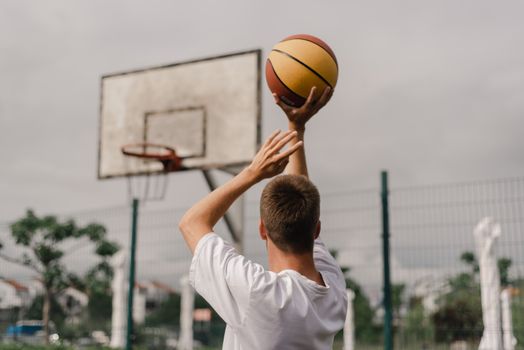
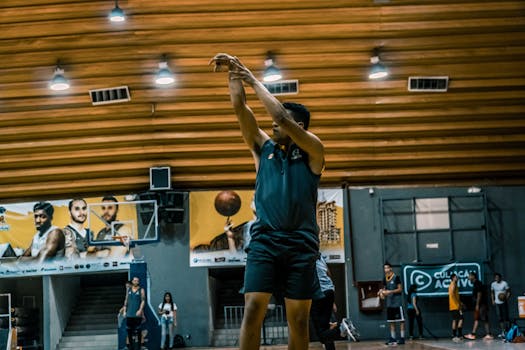
1. $1 The ball should rest lightly on your fingertips, not the palm. This allows for greater control and a softer touch. The shooting hand provides power, while the guide hand stabilizes the ball but does not interfere with the release. 2. $1 The motion should be fluid and repeatable. Begin with knees bent, ball at chest or chin height. As you rise, extend your legs and shooting arm simultaneously, releasing the ball at the high point of your jump. Your elbow should remain under the ball, and your wrist should snap forward, creating backspin. 3. $1 The classic “gooseneck” follow-through is more than a pose—it ensures proper rotation and trajectory. Hold your hand high and extended after the release, with fingers pointing at the rim. Consistent follow-through is linked to improved shot accuracy by up to 18%, according to analytics from NBA shooting coaches.Advanced Shooting Techniques for Competitive Edge
Beyond fundamentals, advanced techniques can set you apart from the competition, especially in high-pressure situations. Here’s a look at three methods used by elite players:
- $1 In modern basketball, defenders close out rapidly. Practicing a quick shooting release (under 0.6 seconds from catch to release) can make you a more dangerous scorer. NBA data from 2023 shows that players with a release under 0.7 seconds average 5% higher field goal percentages on contested shots. - $1 Pull-up jumpers and step-backs require balance and control. When shooting off the dribble, ensure your last dribble is strong, plant your lead foot, and square your shoulders quickly before rising into your shot. Kyrie Irving and Damian Lillard are renowned for this technique. - $1 Simulating game scenarios in practice, such as shooting after intense sprints or with a hand in your face, trains your body and mind for real-game stress. According to a 2021 NCAA report, players who practice situational shooting drills improve clutch performance by 26%.Data-Driven Comparison of Shooting Techniques
To better understand the impact of various shooting techniques, consider the following table, which summarizes the effectiveness and application of different methods based on research and professional statistics:
| Technique | Success Rate (%) | Best For | Difficulty Level |
|---|---|---|---|
| Set Shot | 68 | Free Throws, Spot-Up Shots | Easy |
| Jump Shot | 52 | Mid-Range, Three-Point Shots | Moderate |
| Off-the-Dribble Shot | 41 | Isolation Plays, Pick-and-Roll | Challenging |
| Fadeaway | 37 | Post Moves, Defended Shots | Difficult |
| Catch-and-Shoot | 55 | Spot-Ups, Quick Release | Moderate |
As seen above, while set shots offer the highest success rate, they are often limited to static situations. The jump shot and catch-and-shoot provide versatility, while more advanced moves like the fadeaway and off-the-dribble shots require mastery and are used in specific scenarios.
The Mental Game: Visualization and Focus
Great shooting is as much mental as it is physical. Elite shooters leverage visualization, focus, and routine to maintain consistency. Sports psychologists emphasize the impact of mental rehearsal: players who visualize successful shots before games are 20% more likely to outperform their average shooting percentage, according to a study by the Association for Applied Sport Psychology.
Developing a pre-shot routine—a sequence of actions or thoughts before each shot—helps anchor focus and reduce anxiety. This could include dribbling a set number of times, taking a deep breath, or visualizing the ball going through the net. Stephen Curry’s pre-shot rituals are legendary and are credited with helping him remain calm and focused, even in the most intense moments.
Additionally, mindfulness techniques, such as focusing on breath or “resetting” after a missed shot, enable players to move past mistakes quickly and maintain high shooting performance throughout a game.
Training Drills to Sharpen Your Shooting Skills
Practice is the bridge between knowledge and execution. Incorporating effective drills into your routine can reinforce good habits and address weaknesses. Here are three research-backed drills for improving basketball shooting performance:
1. $1 Stand close to the basket and focus solely on perfect mechanics—grip, alignment, and follow-through. Make 25 shots from each side of the rim before moving back. This drill ingrains muscle memory. 2. $1 Shoot from five designated spots around the arc—corner, wing, top, opposite wing, and opposite corner. Record your makes and misses, aiming to beat your score each session. This builds consistency from various court positions. 3. $1 Sprint baseline to baseline, then take a set of jump shots. This simulates game fatigue and helps maintain shooting mechanics under physical stress. According to a 2022 FIBA report, players who practiced shooting while fatigued increased their in-game shooting percentage by 12%.For optimal results, blend these drills with game-simulated shooting and track your progress over weeks and months.
Final Thoughts on Elevating Your Basketball Shooting Performance
Mastering basketball shooting is a journey that combines science, technique, and mental resilience. By understanding the biomechanics of shooting, honing your mechanics, adopting advanced techniques, and training your mind for focus and confidence, you can transform your performance on the court. Remember, even the greatest shooters are relentless students of the game—they analyze, adjust, and never stop practicing. Use the methods and insights in this guide to boost your shooting skills, and watch your confidence and scoring rise with every game.