Youth basketball is an exciting, high-energy sport that demands both physical and mental growth. For young players, a well-structured training plan is far more than a series of drills—it’s a roadmap to safe, sustainable improvement and lifelong enjoyment of the game. Many parents and coaches wonder: How do you balance skill development, injury prevention, and fun? What does a truly effective basketball training plan for kids look like in 2024?
This article dives deep into designing a plan that nurtures young athletes holistically. We’ll explore how to set age-appropriate goals, blend skill work with athletic development, incorporate recovery, and use data-driven progress tracking. Whether you’re a parent, coach, or aspiring player, you’ll discover actionable strategies to unlock a young athlete’s full potential.
Understanding Age-Specific Needs in Youth Basketball Training
Every age group in youth basketball has unique developmental milestones. Recognizing these differences is crucial for creating a training plan that is both safe and effective.
.png)
For example, the American Academy of Pediatrics recommends that children aged 6-8 focus primarily on fundamental movement skills (running, jumping, throwing) rather than intensive basketball-specific drills. At this stage, basketball training should include a variety of activities to build coordination and overall athleticism.
Between ages 9-12, players are more ready for structured skill development. According to a 2022 study by the Aspen Institute’s Project Play, children in this age group benefit most from practice sessions that mix basic basketball skills (like dribbling, passing, and shooting) with fun, game-based activities. Intensity and duration should remain moderate—most experts suggest no more than 60-75 minutes of practice, three times per week.
By ages 13-15, athletes are prepared for more advanced skill work and tactical understanding. Here, a training plan should introduce competitive play, strength training (with bodyweight or light resistance), and mental skills such as focus and teamwork.
Ignoring these stages and pushing kids into adult-style training is a common mistake that can lead to burnout or injury. Instead, tailor your plan to match the developmental stage of your players.
Setting Realistic Goals and Measuring Progress
Goal setting is a powerful motivator for young athletes, but goals must be age-appropriate and clearly defined. For instance, while a 10-year-old might aim to make 10 consecutive free throws, a 14-year-old could target improving their assist-to-turnover ratio in games.
The SMART framework—Specific, Measurable, Achievable, Relevant, and Time-bound—is widely used in youth sports for goal setting. For example, “Improve left-handed dribbling so I can complete 20 controlled dribbles in a row by the end of the month” is a SMART goal.
Tracking progress can be motivating and informative. Consider using a simple chart or app to record stats such as:
- Shooting percentage in practice and games - Time to complete dribbling drills - Number of turnovers per game - Physical metrics like sprint timesHere’s a sample comparison table showing how training goals and metrics can evolve by age:
| Age Group | Sample Skill Goal | Physical Focus | Tracking Metric |
|---|---|---|---|
| 6-8 | Dribble across court without losing ball | Balance, agility | Number of successful dribbles |
| 9-12 | Make 10 consecutive layups | Coordination, speed | Shooting percentage |
| 13-15 | Reduce turnovers by 20% | Strength, stamina | Turnovers per game |
Regularly reviewing progress, celebrating achievements, and adjusting goals keeps young athletes engaged and focused on improvement.
Balancing Skill Development, Physical Training, and Rest
While skill drills are the backbone of basketball training, an effective plan for young players integrates three core elements: skill development, physical training, and rest.
Skill development should cover the basics—dribbling, passing, shooting—and expand to defensive techniques, rebounding, and decision-making as players mature. Experts recommend a 50/30/20 split for weekly basketball training sessions: 50% on skill fundamentals, 30% on game situations or scrimmages, and 20% on individual creativity and fun challenges.
Physical training is equally important. According to the National Strength and Conditioning Association (NSCA), youth athletes who participate in supervised strength and conditioning programs are 33% less likely to suffer acute or overuse injuries. For kids under 12, focus on bodyweight exercises (like squats, lunges, push-ups) and agility drills. For teens, gradually introduce light weights and resistance bands, always prioritizing proper form.
Rest and recovery are often overlooked but essential for growth and injury prevention. The Centers for Disease Control and Prevention (CDC) recommends at least one full day off from basketball each week for children and teens. Incorporating recovery activities—such as stretching, foam rolling, and adequate sleep—can help maintain motivation and prevent overtraining.
Incorporating Fun and Creativity to Foster Long-Term Engagement
Retention is a major challenge in youth sports. A 2019 survey by the Sports & Fitness Industry Association found that 45% of kids quit sports by age 13, most often because it’s “not fun anymore.” To create an effective basketball training plan, fun cannot be an afterthought—it must be central.
Try using creative games and challenges to reinforce skills. For example, “Knockout” is a popular shooting contest that builds pressure shooting and quick decision-making. Obstacle courses can combine dribbling, passing, and agility in a competitive (and entertaining) setting.
Encourage player input by letting young athletes design warm-ups or pick drills. This sense of ownership boosts engagement and self-confidence. Rotate roles in scrimmages to allow every player to try different positions, building empathy and versatility.
Finally, celebrate effort as much as achievement. Recognizing hustle, leadership, and teamwork helps build a positive team culture and keeps players motivated, regardless of the scoreboard.
Leveraging Technology and Data in Modern Training Plans
The digital revolution has reached youth basketball. Technology, when used wisely, can enhance training effectiveness and engagement.
Wearable fitness trackers and smart basketballs (such as the Wilson X Connected Basketball) can provide real-time data on shot accuracy, dribble speed, and even jump height. Apps like HomeCourt and DribbleUp use artificial intelligence to analyze technique and offer instant feedback—features that were unimaginable a decade ago.
Video analysis is another powerful tool. Filming practices and games allows young players to see themselves in action, improving self-awareness and accelerating skill development. According to a 2021 Youth Sports Survey, teams that used video review had a 24% higher skill improvement rate over the season compared to teams that did not.
However, it’s important to balance technology with personal interaction. Over-reliance on gadgets can detract from the social, creative, and emotional benefits of team sports. Use tech as a supplement, not a substitute, for quality coaching and peer interaction.
Building a Supportive Environment: Role of Coaches and Parents
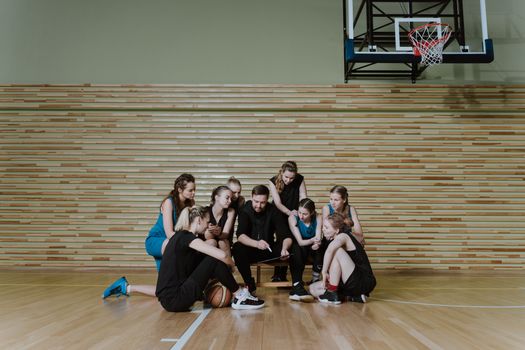
An effective training plan is only as strong as the environment in which it operates. Coaches and parents play a pivotal role in supporting young basketball players’ growth.
Coaches should prioritize clear communication, positive reinforcement, and individualized feedback. According to the Positive Coaching Alliance, athletes who receive positive reinforcement are 50% more likely to stick with their sport for at least three seasons. Setting a tone of mutual respect, accountability, and inclusivity ensures every player feels valued.
Parents, too, are key partners. Support means more than driving to practice—it includes reinforcing good habits at home, providing encouragement, and respecting the coach’s expertise. Avoid pressuring kids about results; instead, ask open-ended questions like, “What did you learn today?” or “What was your favorite part of practice?”
Creating a safe, supportive, and fun environment is the foundation for both individual improvement and lifelong enjoyment of basketball.
Key Takeaways for Crafting the Ultimate Youth Basketball Training Plan
Designing an effective training plan for young basketball players is both an art and a science. It requires understanding age-based needs, setting clear goals, blending skill work with physical and mental development, incorporating fun, leveraging technology, and building a supportive community.
By focusing on holistic growth—not just wins and losses—you set the stage for young athletes to enjoy basketball, develop resilience, and reach their full potential both on and off the court.