Every time you watch a basketball game, the spotlight naturally gravitates toward high-flying dunks, game-winning shots, and the passionate fans filling the arena. Yet, behind every seamless contest is a group of individuals who rarely get the acclaim they deserve: the referees. These unsung heroes ensure the game is played fairly, with integrity and respect for the rules. Without them, the structure and spirit of basketball would quickly unravel. This article takes a deep dive into the world of basketball referees, examining their pivotal role, the challenges they face, their training and responsibilities, and why their contributions are vital to the sport’s enduring appeal.
The Critical Responsibilities of Basketball Referees
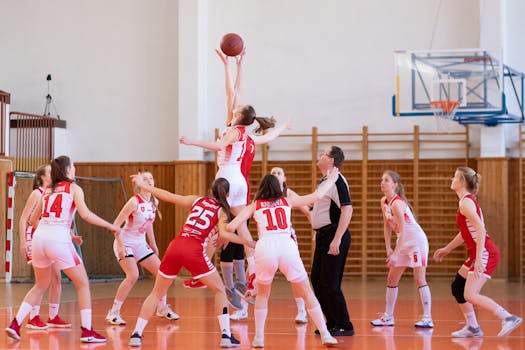
Referees are often called the guardians of the game. Their primary duty is to enforce the rules and maintain order on the court, but their responsibilities extend far beyond simply blowing a whistle. In a typical NBA game, there are three referees on the court, each with a specific area to monitor. At the college and high school levels, two or three officials are standard, depending on the league and level of play.
Key responsibilities include: - Interpreting and enforcing the official rule book - Managing the game clock and shot clock - Calling fouls, violations, and ensuring player safety - Overseeing substitutions and timeouts - Mediating disputes between players, coaches, and sometimes passionate fansIn an average NBA game, referees make between 40 to 50 foul calls and hundreds of split-second decisions. According to NBA statistics, in the 2022-2023 season, referees reviewed approximately 1,500 instant replay plays to ensure accuracy. Their decisions can change the momentum of a game and sometimes even its outcome, making their role indispensable.
.png)
The Physical and Mental Demands of Officiating
Unlike players, referees don’t receive applause for their athleticism, but make no mistake: officiating basketball is physically and mentally demanding. On average, a referee runs between 2.5 and 3 miles during a professional game, constantly moving to maintain optimal sightlines. This requires peak cardiovascular fitness and agility, as referees must keep pace with some of the world’s fastest athletes.
The mental aspect is just as grueling. Referees must process fast-moving plays, anticipate player actions, and recall intricate rules—all while tuning out crowd noise and potential criticism. Studies show that officials are subjected to high-stress situations, with the Journal of Sports Sciences noting that 87% of referees report experiencing acute stress during games, particularly during high-stakes moments.
Moreover, referees must remain impartial at all times. Their focus and composure directly impact the game’s fairness and integrity. The best referees are often described as “invisible,” seamlessly managing the flow of the contest without becoming the center of attention.
Training, Certification, and Career Progression for Referees
Becoming a professional basketball referee is a rigorous journey. It starts at the grassroots level, with local leagues and school competitions. Prospective referees must complete certification courses, pass written and practical exams, and accumulate experience across various levels of competition.
The process typically involves: - Attending clinics and workshops on rules and mechanics - Passing physical fitness tests and background checks - Gaining experience in youth, high school, and collegiate games - Receiving evaluations and feedback from senior officialsAt the professional level, such as in the NBA, referees undergo annual training camps, film study sessions, and ongoing performance reviews. In 2023, the NBA employed 75 full-time referees, each averaging 10 years of officiating experience before reaching the league. The path to the top tier is highly competitive—only about 1% of officials ever make it to the NBA or WNBA.
For comparison, here’s a look at the progression and requirements at different levels:
| Level | Certification Required | Typical Experience Needed | Average Pay (per game) |
|---|---|---|---|
| Youth/Amateur | Basic local certification | None - entry level | $25 - $50 |
| High School | State association license | 1-2 years | $50 - $100 |
| College (NCAA) | NCAA certification, annual clinics | 3-5 years | $200 - $3,000 |
| Professional (NBA/WNBA) | League selection, ongoing evaluation | 8-10+ years | $2,000 - $7,000 |
Technological Advancements and the Evolving Role of Referees
Technology is reshaping many aspects of basketball, and officiating is no exception. The introduction of instant replay, digital scoring systems, and real-time analytics has added new dimensions to the referee’s role. Now, referees not only rely on their eyes and instincts but also on advanced tools that help validate critical calls.
For instance, the NBA’s Replay Center in Secaucus, New Jersey, reviews up to 700 plays each season to ensure correct decisions during crucial moments. Coaches’ challenges, introduced in the 2019-20 NBA season, allow teams to contest specific calls, further integrating technology into officiating. According to league data, about 44% of coach’s challenges were successful in overturning initial calls during the 2022-23 season.
While technology helps minimize human error, it also places referees under greater scrutiny. Every decision, especially in the closing seconds of a tight game, is subject to dissection by commentators, fans, and social media. This transparency furthers accountability but also increases pressure on officials to maintain accuracy and consistency.
Dealing with Scrutiny and Controversy: The Human Side of Officiating
No matter how diligently referees perform, mistakes are inevitable in a fast-paced game. What sets great referees apart is their ability to handle criticism, learn from errors, and maintain composure under intense scrutiny. High-profile controversies, such as disputed foul calls or missed violations, often dominate headlines and can even impact careers.
For example, during the 2019 NBA Playoffs, a missed goaltending call in the final seconds of a Portland Trail Blazers vs. Utah Jazz game led to calls for stricter officiating standards and more extensive use of instant replay. The league responded with additional training and transparency measures, including the public release of the “Last Two Minute Report,” which analyzes referee decisions in the closing moments of close games.
Referees are also exposed to verbal abuse, sometimes even threats, from fans and occasionally coaches or players. According to a 2022 survey by the National Association of Sports Officials, 60% of referees reported experiencing some form of harassment during their careers. Many leagues now provide resources for officials, including counseling and mentorship programs, to help them cope with these challenges.
The Impact of Referees on Game Integrity and Sportsmanship
Perhaps the most important contribution referees make is upholding the integrity and spirit of basketball. Their presence ensures a level playing field, deters unsportsmanlike conduct, and fosters respect among players, coaches, and fans. By enforcing the rules impartially, referees reinforce the values of discipline and fairness that are central to the sport.
Additionally, referees serve as role models for young officials and aspiring athletes. Their commitment to excellence, professionalism, and lifelong learning sets a standard for everyone involved in the game. Many former referees go on to mentor the next generation, strengthening the officiating community and sustaining the sport’s foundational values.
Saluting the Unsung Heroes: Referees Keep the Game Alive
While they rarely make the highlight reels, basketball referees are the backbone of every game. Their vigilance, expertise, and integrity ensure that the sport remains fair and enjoyable at every level. From youth leagues to the NBA Finals, these unsung heroes manage chaos with calm authority, making split-second decisions that preserve the game’s rhythm and reputation. The next time you watch a basketball game, take a moment to appreciate the officials whose quiet dedication makes the spectacle possible.