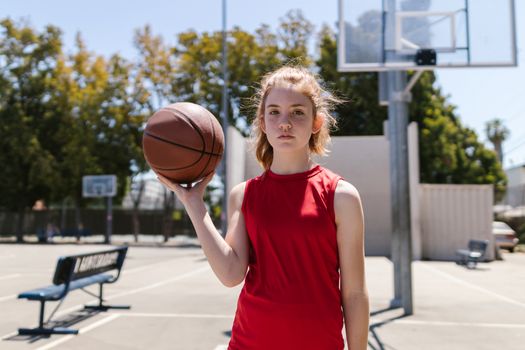
The Role of Coaches in Shaping Basketball Stars
Basketball is more than just a fast-paced sport; it’s a dynamic theater where talent meets strategy, and where dreams are forged and realized. While much attention is placed on the dazzling skills of players, the critical influence of coaches often operates in the background, quietly molding raw ability into superstar potential. The role of coaches in shaping basketball stars is multifaceted, encompassing mentorship, tactical instruction, psychological support, and leadership. This article delves deeply into how coaches impact the development of basketball talent, offering insights, examples, and data to illuminate their indispensable role in the journey from aspiring player to celebrated star.
The Coach as a Mentor: Guiding Young Talent
For every legendary player, there is often an influential coach who believed in them early on. The importance of mentorship begins at the grassroots level, where coaches serve as the first point of contact for young athletes learning the game. According to the National Federation of State High School Associations, over 1 million high school basketball players participate in the U.S. each year. Coaches at this level do more than teach layups and free throws—they foster discipline, work ethic, and a passion for the game.
A notable example is the relationship between legendary NBA coach Phil Jackson and Michael Jordan. Jackson’s mentorship helped Jordan channel his competitive spirit productively, emphasizing teamwork and holistic development. The result was not just individual greatness but six NBA championships for the Chicago Bulls. Similarly, grassroots coaches often spot and nurture talent that might otherwise go unnoticed, providing critical support and encouragement during formative years.
.png)
Tactical Architects: Developing Game Intelligence
Beyond mentorship, coaches are the architects of a player’s basketball IQ. They design plays, teach defensive and offensive systems, and instill the ability to read the game in real-time. According to a 2022 survey by the Basketball Coaches Association of America, 78% of college and professional players credit their understanding of game strategy to their coaches.
Effective coaches tailor tactics to both team strengths and individual abilities. For instance, Gregg Popovich of the San Antonio Spurs is renowned for maximizing his players’ strengths through sophisticated ball movement and defensive schemes. Under his leadership, the Spurs won five NBA championships and maintained a playoff streak of 22 consecutive seasons—the longest in NBA history.
Coaches also adapt to changing trends in the sport, such as the rise of three-point shooting and positionless basketball. Their tactical acumen ensures that players not only thrive in the current landscape but are prepared for future evolutions in the game.
Mental Resilience: Coaches as Psychological Motivators
Basketball is as much a mental contest as it is a physical one. The pressure to perform, cope with failure, and bounce back from injury can be overwhelming. Coaches play a crucial role in fostering mental toughness and emotional intelligence.
According to a study published in the Journal of Applied Sport Psychology, athletes with strong coach-athlete relationships report a 32% higher level of resilience and a 25% lower incidence of performance anxiety. Coaches deploy various strategies, from visualization exercises to pre-game routines, to help players manage stress and remain focused.
Pat Summitt, the legendary University of Tennessee women’s basketball coach, exemplified this approach. Her unwavering belief in her players and insistence on accountability transformed many into WNBA stars and Olympic gold medalists. Her legacy is a testament to the power of psychological support in shaping not just athletes, but confident, resilient individuals.
Talent Identification and Development: The Eye for Potential
Spotting and nurturing raw talent is an art in itself. Coaches often have the discerning eye needed to identify future stars, sometimes even before the players themselves realize their potential. This process involves ongoing evaluation, skill assessment, and personalized development plans.
Youth development programs, such as the Jr. NBA and AAU basketball, rely heavily on coaches to scout and mentor promising athletes. For example, NBA superstar LeBron James was discovered and mentored early in his career by coach Dru Joyce II, whose guidance was instrumental in LeBron’s rise from high school sensation to global icon.
The following table compares key aspects of talent identification and development at different levels of basketball:
| Level | Coach's Role | Methods Used | Notable Outcomes |
|---|---|---|---|
| Youth/Grassroots | Identify basic skills, foster love for the game | Skill camps, local tournaments, character building | Early discovery, foundational skills, passion |
| High School | Refine skills, evaluate potential, guide college recruitment | Advanced drills, game film analysis, exposure events | Scholarships, national recognition, all-star selections |
| College | Develop game IQ, prepare for professional play | Strength training, tactical education, competitive play | NBA draft picks, All-American honors, pro contracts |
| Professional | Maximize performance, manage careers | Individualized regimens, mental coaching, analytics | All-Star selections, awards, championships |
This progression underscores the evolving role of coaches as athletes advance, proving that tailored coaching approaches are crucial at every stage.
Building Team Culture and Leadership
A basketball star is rarely a solitary figure—their achievements are often rooted in the culture and chemistry of their team. Coaches are the architects of team culture, setting standards for communication, mutual respect, and shared goals. According to the Positive Coaching Alliance, teams with strong, positive cultures have a 23% higher win rate than those without.
Coaches like Steve Kerr of the Golden State Warriors exemplify this leadership. Kerr’s emphasis on open dialogue, player empowerment, and collective responsibility has led to four NBA championships in eight years. His approach demonstrates that a healthy team environment not only produces individual stars but also sustains long-term success.
Furthermore, coaches cultivate leadership within the ranks. By encouraging star players to lead by example and mentor younger teammates, coaches create a legacy of excellence that outlasts any single career.
Adapting to Individual Needs: Personalized Coaching in the Modern Era
Today’s basketball landscape is more data-driven and individualized than ever before. Modern coaches have access to advanced analytics, wearable technology, and psychological profiling tools that allow them to tailor training and development programs to each player’s unique needs.
For example, a report by Grand View Research estimates the global sports analytics market will reach $4.6 billion by 2025, driven in large part by professional basketball teams seeking competitive advantages. Coaches now use real-time data to monitor player workload, optimize shooting mechanics, and even predict injury risks.
Personalization also extends to off-court factors. Coaches increasingly recognize the importance of mental health, nutrition, and personal branding, helping players manage the pressures of fame and maintain long-term well-being. This holistic approach ensures that today’s basketball stars are not only skilled athletes but also well-rounded individuals.
Conclusion
The journey from aspiring athlete to basketball star is never a solitary endeavor. Behind every highlight reel and record-breaking performance stands a dedicated coach, guiding, inspiring, and shaping talent every step of the way. From early mentorship and tactical instruction to psychological support and personalized development, coaches play a pivotal role in transforming raw potential into greatness.
As the game continues to evolve, so too does the role of the coach—embracing new technologies, fostering inclusive team cultures, and adapting to the needs of a new generation. For every basketball star who dazzles on the court, there’s a coach whose vision, expertise, and care helped them shine.