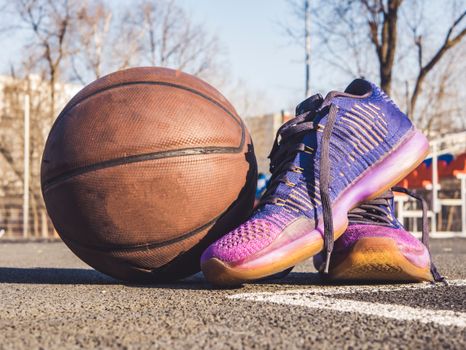
Choosing the right basketball shoes is more than a matter of style—it's a critical decision that can impact your performance, comfort, and injury risk on the court. With the global basketball footwear market projected to reach $6.5 billion by 2027, the options available to players are bigger than ever before. But with so many choices, how do you pick the pair that will help you run faster, jump higher, and stay injury-free? This guide will walk you through the essentials of selecting basketball shoes tailored for maximum performance, whether you’re an aspiring pro, a weekend warrior, or just starting out.
The Science Behind Basketball Shoe Design
Modern basketball shoes are marvels of engineering, designed to provide support, traction, shock absorption, and flexibility. Each component plays a vital role in how the shoe performs during the dynamic movements of the game, from sprinting and cutting to jumping and landing.
A 2022 study published in the $1 found that basketball players who wore sport-specific shoes experienced 38% fewer lower limb injuries compared to those who wore generic athletic shoes. Manufacturers like Nike, Adidas, and Under Armour invest millions in research to enhance cushioning (such as Nike’s Zoom Air or Adidas’ Boost), stability features, and outsoles that grip the court.
.png)
Key elements of basketball shoe design include:
- $1: The part covering the foot, influencing fit, support, and ventilation. - $1: Provides cushioning and shock absorption, crucial for jumping and hard landings. - $1: Ensures traction; usually made of durable rubber with specific tread patterns for indoor or outdoor play. - $1: Adds stability and helps prevent ankle rolls.Understanding these features is the first step in matching a shoe to your unique playing style and needs.
Matching Shoe Types to Playing Positions
Not every basketball player moves the same way. Your position on the court often dictates the types of movements you’ll make most—quick cuts, powerful jumps, or sustained sprints. Selecting shoes that complement your role can give you a significant edge.
Here’s a breakdown of typical shoe recommendations by position:
| Position | Key Movements | Recommended Shoe Features | Example Shoes |
|---|---|---|---|
| Point Guard | Quick cuts, fast breaks | Low cut, lightweight, high traction, responsive cushioning | Kyrie Low 5, Adidas Harden Vol. 6 |
| Shooting Guard / Small Forward | Agility, jumping, lateral movement | Mid cut, balanced cushioning, supportive upper | Nike KD 15, Puma Clyde All-Pro |
| Power Forward / Center | Post play, rebounding, physical defense | High cut, maximum ankle support, extra cushioning, durable outsole | LeBron 20, Under Armour Embiid 1 |
While these guidelines are helpful, personal comfort and playing style should always be considered. For example, some guards may prefer mid-cut shoes for extra ankle support, while some forwards might opt for lighter models for increased mobility.
Key Factors to Consider When Choosing Basketball Shoes
When shopping for basketball shoes, several crucial factors can make or break your on-court experience. Here’s what to keep in mind:
1. $1 A 2021 survey by the American Academy of Podiatric Sports Medicine revealed that 67% of basketball-related foot injuries were linked to improper footwear fit. Always try shoes on with the socks you plan to wear during games, and make sure there’s about a thumb’s width between your longest toe and the end of the shoe. 2. $1 The right cushioning depends on your play style and needs. Explosive players who jump frequently may benefit from shoes with thick midsoles and advanced cushioning systems, such as Nike’s Air Zoom or Adidas’ Boost. Lighter, more responsive cushioning is better for speed-oriented players. 3. $1 If you’re prone to ankle injuries or play a physically demanding position, look for shoes with reinforced uppers, sturdy heel counters, and a secure lacing system. High-top shoes offer the most ankle support, but recent studies suggest that proper fit and stability features are just as important as collar height. 4. $1 Indoor courts require shoes with non-marking rubber outsoles and multidirectional tread patterns for quick stops and starts. Outdoor players should pick shoes with thicker, more durable soles to withstand rough surfaces. 5. $1 Consider how often you play and where (indoor vs. outdoor). Outdoor courts can wear out softer outsoles quickly, so opt for shoes specifically designed for rugged use if you play outside. 6. $1 Synthetic mesh uppers provide ventilation and help keep shoes lightweight. A lighter shoe reduces fatigue over long games but should not sacrifice support.How Shoe Technology Enhances Performance
Basketball shoe brands have introduced a host of innovations aimed at improving player performance and safety. Let’s look at some of the most influential advancements:
- $1: Nike’s Air Zoom units and Adidas’ Boost foam are engineered to deliver energy return and shock absorption. Players report feeling “springier” and less fatigued during games. - $1: Herringbone tread, found on many top models, offers exceptional grip for sharp cuts and quick stops. Under Armour’s Micro G outsole features unique patterns to optimize grip on both indoor and outdoor courts. - $1: Flyknit, Primeknit, and other woven uppers provide a sock-like fit, combining breathability with support. Modern synthetics also reduce weight—newer models can weigh less than 12 ounces, compared to 16 ounces for older designs. - $1: Features like adaptive lacing, internal straps, and external heel clips help keep your foot securely in place, reducing the risk of blisters and slippage.For example, the 2023 Nike LeBron 20 incorporates a dual-layer Zoom Air cushioning system and a carbon fiber midfoot shank for superior responsiveness and stability, making it a favorite among power forwards and centers.
Picking Shoes According to Playing Surface
The surface you play on—indoor hardwood, outdoor concrete, or asphalt—should heavily influence your shoe choice.
- $1: Designed with softer rubber outsoles for optimal grip on polished hardwood. These shoes usually have finer, more intricate tread patterns that can wear out quickly on rougher surfaces. - $1: Feature harder, thicker rubber outsoles and deeper grooves to withstand abrasive courts. They’re generally more durable but may be slightly heavier. - $1: Some models are built to perform well both indoors and outdoors, balancing grip, cushioning, and durability.A 2020 market study found that 58% of recreational players use their shoes interchangeably between indoor and outdoor courts, often leading to faster shoe degradation and diminished performance. Investing in separate pairs for each environment can extend shoe lifespan and maintain optimal performance.
Budget vs. Premium Basketball Shoes: What’s Worth the Investment?
Basketball shoes range from $60 entry-level models to $250 signature releases. Is it worth splurging on a high-end pair?
| Price Range | Typical Features | Best For |
|---|---|---|
| $60–$100 | Basic cushioning, synthetic upper, standard outsole, less advanced tech | Casual players, beginners, outdoor use |
| $100–$160 | Enhanced cushioning, improved support, better traction, some advanced materials | Regular players, school teams, versatile use |
| $160–$250+ | Signature models, premium cushioning, cutting-edge tech, lightweight knit uppers | Competitive athletes, advanced players, those seeking maximum performance |
While premium shoes offer the latest technology and comfort, mid-range options often provide an excellent balance of performance and value. The most important factor is how well the shoe fits and supports your style of play.
Final Thoughts on Choosing the Right Basketball Shoes for Maximum Performance
Selecting the right basketball shoes is an investment in your game and your health. By understanding shoe technology, matching features to your playing style and position, and considering the court surfaces you frequent, you can maximize your performance and minimize injury risk. Remember, even the best shoes can’t compensate for poor fit or inadequate support, so always prioritize comfort and functionality over brand or appearance.
Whether you’re a rising star or just love the game, the right pair of basketball shoes can help you reach your full potential on the court. Take the time to research, try on different models, and make an informed choice—your feet (and your game) will thank you.