Preparing for a basketball tournament isn’t just about fine-tuning your jump shot or learning new plays. It’s a comprehensive process that blends physical conditioning, tactical preparation, logistics, and team unity. Whether you’re a player aiming to make your mark or a coach leading a squad to victory, how you prepare in the weeks leading up to a tournament can make all the difference. This guide pulls back the curtain on what it really takes to set your team up for tournament success, focusing on practical steps, real-world examples, and often-overlooked details that separate the best from the rest.
The Importance of Strategic Scheduling and Scouting
When facing a tournament format, whether it’s single elimination or round robin, planning goes far beyond showing up on game day. Elite teams invest significant effort into understanding their schedule and their opponents. According to a 2022 NCAA report, teams that actively scouted opponents and adjusted practice plans had a 17% higher win rate in tournament play compared to those that didn’t.
Start by mapping out the tournament schedule as soon as it’s available. Identify potential back-to-back games, long gaps, or early morning starts. This allows you to adjust your practice times to mirror game conditions. For example, if your first game is at 9:00 AM, begin practices at that time at least a week prior.
.png)
Next, assign assistant coaches or trusted players to gather intel on likely opponents. This doesn’t mean hours of film study for every possible matchup—instead, focus on key trends: Does Team A press aggressively? Is Team B’s top scorer left-handed? Compile a simple scouting report for each opponent with 3-5 actionable insights. Even at amateur levels, this tactical awareness boosts confidence and preparedness.
Optimizing Nutrition and Hydration: Fueling for Peak Performance
The right diet and hydration plan can have a profound impact on tournament success. Basketball tournaments often involve multiple games in a single day. According to the Gatorade Sports Science Institute, dehydration as little as 2% of body weight can impair athletic performance, and recovery nutrition between games can improve energy levels by 20% or more.
Begin nutritional preparation several days before the event. Encourage players to consume balanced meals rich in complex carbohydrates (like whole grains and pasta), lean proteins (chicken, fish, tofu), and plenty of vegetables. The day before the tournament, increase carbohydrate intake slightly to “carb-load” muscles with glycogen.
On game day, breakfast should be easily digestible: oatmeal with fruit, whole grain toast with eggs, or yogurt and granola. Between games, opt for portable snacks like bananas, trail mix, or energy bars. Rehydration is critical—players should aim for at least 500ml of water or a sports drink within 30 minutes after each game.
Below is a comparative table summarizing optimal nutrition strategies for basketball tournaments:
| Timing | Nutrition Focus | Example Foods | Hydration Target |
|---|---|---|---|
| 3-5 Days Before | Balanced Meals | Whole grains, lean meats, vegetables | 2-3 liters/day |
| Night Before | Carb Loading | Pasta, rice, potatoes | 2-3 liters/day |
| Morning of Game | Light, Energy-Rich | Oatmeal, fruit, yogurt | 500ml-1 liter pre-game |
| Between Games | Quick Recovery | Bananas, granola bars, sports drinks | 500ml after each game |
Managing Tournament Logistics: Travel, Gear, and Rest
Logistics are often the unsung hero of basketball tournament preparation. A 2019 survey of youth basketball coaches found that 68% identified travel mishaps and equipment issues as major stressors that impacted team performance.
Start by creating a detailed checklist at least a week in advance. This should include uniforms, backup jerseys, shoes, socks, water bottles, medical kit, and any personal gear (ankle braces, mouthguards, etc.). Assign responsibilities: one person for team gear, another for medical supplies, and a designated driver or travel coordinator.
If traveling out of town, book accommodations close to the tournament venue to minimize commute stress. Plan for buffer time—arrive at least 60-90 minutes before your first game for proper warm-up and to handle any unforeseen delays.
Don’t underestimate the importance of rest. Schedule fixed bedtimes and quiet hours, especially for younger teams. Studies show that athletes who sleep at least 8 hours before tournaments report 30% fewer injuries and demonstrate improved reaction times on the court.
Building Mental Resilience and Pre-Game Routine
Tournament pressure can rattle even the most talented squads. Mental preparation is as crucial as physical readiness. Research from the Journal of Sports Psychology in 2021 revealed that teams implementing structured mental routines reduced performance anxiety by 22% and improved focus during high-stress moments.
Develop a team routine that includes visualization, breathing exercises, and positive affirmations. For example, spend five minutes as a group with eyes closed, visualizing successful plays, defensive stops, and high-energy celebrations. Encourage players to adopt personal rituals—whether it’s listening to a favorite song, repeating a mantra, or practicing deep breathing.
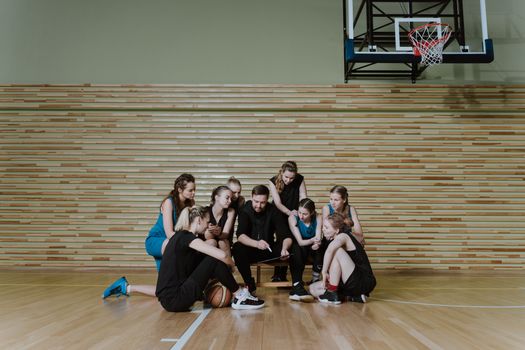
Coaches should also establish clear communication channels. Hold a quick team meeting before each game to reiterate strategies and set specific goals (e.g., “Let’s hold the opponents under 50 points” or “Aim for 10 assists this half”). After each game, regardless of the outcome, debrief as a group. Celebrate what went well before addressing areas for improvement. This builds resilience and keeps morale high across a demanding tournament schedule.
Team Chemistry and Role Definition: The Hidden Edge
Teams that perform best in tournaments aren’t always the most talented—they’re the most cohesive. A 2020 analysis of European youth basketball tournaments found that teams with well-defined roles and frequent off-court bonding activities advanced further, even when outmatched on paper.
In the week before the tournament, conduct role-clarification meetings. Make sure every player knows their primary and secondary responsibilities—whether it’s scoring, rebounding, energizing the bench, or leading team huddles. This clarity reduces confusion during high-stress moments when split-second decisions are needed.
Integrate team-building activities outside of practice: shared meals, group walks, or even lighthearted shooting contests. These moments foster trust and communication that translate to better on-court synergy. Remember, a team that laughs together off the court can rebound together on the court.
Final Thoughts: Mastering Basketball Tournament Preparation
Preparing for a basketball tournament is a blend of science, logistics, psychology, and team spirit. The best teams leave little to chance: they plan their schedules, fuel their bodies, organize their gear, sharpen their minds, and invest in team unity. By focusing on these often-overlooked elements, players and coaches can maximize their chances of success—regardless of talent or experience level.
Remember, the margin between winning and losing in tournament play is often razor-thin. By embracing a holistic approach to preparation, your team can step onto the court confident, cohesive, and ready to compete at their best.