Mental and Physical Preparation: The Key to Basketball Game Success
Basketball is more than just a game of athleticism and skill; it’s a high-stakes contest that challenges both the body and the mind. Whether you’re a high school athlete, a college player, or a weekend warrior, how you prepare for a basketball game can make the difference between a standout performance and an off night. While much attention is paid to training and strategy, what often separates winners from the rest is the quality of their mental and physical preparation in the hours and days before tip-off.
In this comprehensive guide, we’ll explore the essential mental and physical techniques to optimize your game-day readiness. By integrating proven routines, psychological strategies, and best practices for body conditioning, you can step onto the court with confidence and maximize your potential every time.
The Importance of Pre-Game Rituals in Basketball
Rituals and routines are more than just superstition in basketball—they’re psychological anchors that prepare players to perform under pressure. According to a 2018 study published in the International Journal of Sport and Exercise Psychology, athletes who follow consistent pre-game routines experience reduced anxiety and improved focus, which translates to better on-court performance.
.png)
Examples of effective pre-game rituals include:
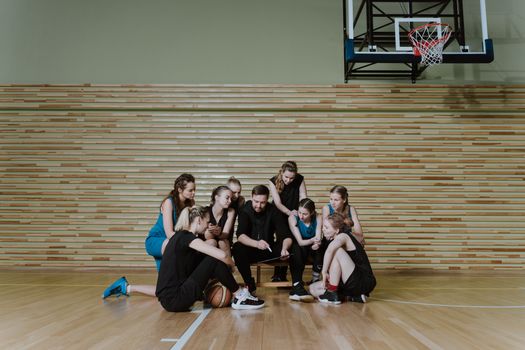
- A set warm-up sequence (dynamic stretching, layup lines) - Listening to a specific playlist - Visualization or mindfulness exercises - Team huddles or chantsRituals provide structure and a sense of control, both crucial for managing nerves and channeling adrenaline. NBA superstar Stephen Curry is famous for his unique pre-game ball-handling and shooting routine, which he credits for helping him enter a “flow state” before games.
Adopting your own ritual doesn’t just boost confidence; it gives your mind and body cues that it’s time to compete at your best.
Optimizing Physical Readiness: Warm-Up and Recovery Techniques
Physical readiness is about more than just stretching. A well-designed warm-up increases blood flow, primes muscles, and reduces injury risk. According to the National Academy of Sports Medicine, dynamic warm-ups (like high knees, lunges, and mobility drills) are 30% more effective at improving performance than static stretching alone.
A sample 20-minute pre-game warm-up might include:
- 5 minutes of light jogging or skipping - 5 minutes of dynamic stretches (arm circles, hip openers, walking lunges) - 5 minutes of basketball-specific drills (layups, passing, defensive slides) - 5 minutes of shooting at game speedEqually important is post-game recovery. Proper cool-down and stretching reduce soreness and speed up muscle repair. NBA teams often employ foam rolling, compression gear, and even cold-water immersion after games to facilitate faster recovery.
Here’s a comparison of common pre- and post-game physical techniques:
| Technique | Purpose | When to Use | Effectiveness Notes |
|---|---|---|---|
| Dynamic Warm-Up | Increase blood flow, activate muscles | Pre-game | Reduces injury risk by up to 30% |
| Static Stretching | Improve flexibility, relax muscles | Post-game | Best after activity; prevents tightness |
| Foam Rolling | Release muscle tension | Pre- and post-game | Speeds recovery, reduces soreness |
| Cold Water Immersion | Reduce inflammation | Post-game | Common in elite programs; aids recovery |
Combining these techniques before and after games can help keep your body in peak condition throughout the season.
Mental Preparation: Visualization, Focus, and Confidence Building
The mental aspect of basketball is often underestimated. A player’s mindset directly affects their ability to handle pressure, adapt to adversity, and maintain composure during critical moments. Research from the American Psychological Association shows that athletes who practice mental rehearsal—also known as visualization—report a 13% improvement in performance compared to those who don’t.
Effective mental techniques include:
1. Visualization: Spend 5-10 minutes before the game imagining yourself executing plays, making shots, and defending successfully. Picture the sights, sounds, and feelings of a successful performance. 2. Mindfulness and Breathing: Deep, controlled breathing calms nerves and improves concentration. Practicing mindfulness meditation has been shown to lower pre-game anxiety by up to 15%, allowing players to focus on the present. 3. Positive Self-Talk: Replace negative thoughts (“Don’t miss this shot”) with constructive affirmations (“I am prepared and ready to score”). 4. Goal Setting: Set specific, achievable goals for each game, such as “I will grab 8 rebounds” or “I will limit my turnovers to one or less.” This focuses your mind on process rather than outcome.NBA star Giannis Antetokounmpo is known for his rigorous mental preparation, including visualization and strict focus routines, which have contributed to his rise as a two-time league MVP.
Nutrition and Hydration: Fueling for Peak Performance
What you eat and drink in the 24 hours leading up to a basketball game can dramatically affect your energy, concentration, and endurance. Sports nutritionists recommend a balanced approach that focuses on:
- Complex carbohydrates (whole grains, brown rice, sweet potatoes) for sustained energy - Lean proteins (chicken, fish, beans) for muscle repair - Healthy fats (avocado, nuts) to support metabolism - Ample hydration: even 2% dehydration can impair performance by up to 10%Game-day meal timing matters. The ideal pre-game meal is eaten 2-3 hours before tip-off and consists of:
- 60% carbohydrates - 20% protein - 20% fatFor example, a pre-game meal might be grilled chicken with brown rice and steamed broccoli, plus a banana for quick energy. Avoid heavy, greasy foods and sugary snacks, which can lead to energy crashes.
Hydration is just as important. The Gatorade Sports Science Institute recommends athletes drink at least 16-20 ounces of water 2 hours before competition, then small sips every 15-20 minutes during the game.
Sleep and Rest: The Overlooked Performance Edge
Despite being one of the most powerful performance enhancers, sleep is often neglected in game preparation. Studies published in the journal Sleep have shown that basketball players who increased their nightly sleep to 9 hours improved their shooting accuracy by 9% and reported feeling more alert on the court.
Key tips for optimizing sleep before a game:
- Stick to a consistent bedtime, even on weekends - Avoid caffeine or heavy meals within 3 hours of sleep - Turn off screens at least 30 minutes before bed to reduce blue light exposure - Consider a short nap (20-30 minutes) if you have an early gameIf travel or nerves threaten your rest, relaxation techniques like progressive muscle relaxation or guided breathing can help you fall asleep faster.
Adapting Preparation for Different Competition Levels
Preparation needs differ between youth, recreational, and elite basketball. For example, high school and college athletes may need to manage academic obligations alongside basketball, while professionals can dedicate more time to recovery and advanced mental techniques.
Here’s a brief comparison:
| Level | Main Priorities | Common Challenges | Recommended Focus |
|---|---|---|---|
| Youth | Fun, skill development, safety | Nerves, inconsistent routines | Simple rituals, balanced nutrition |
| High School/College | Performance, team chemistry | Time management, stress | Time-efficient warm-ups, visualization |
| Elite/Professional | Peak performance, recovery | Travel fatigue, high pressure | Advanced recovery, mental coaching |
No matter your level, the keys are consistency, self-awareness, and adapting your preparation to your unique needs.
Final Thoughts on Preparing for a Basketball Game
Basketball is a sport that rewards those who prepare with intention. By combining structured physical routines, mental conditioning, smart nutrition, and adequate rest, you give yourself the best chance to excel when it matters most. Remember, preparation isn’t just about what you do right before the game—it’s a holistic process that begins days in advance and evolves with experience.
Whether you dream of hitting the game-winning shot or simply want to feel more confident on the court, adopting a comprehensive approach to mental and physical preparation will elevate your game and enjoyment. As legendary coach John Wooden once said, “Failing to prepare is preparing to fail.” Make preparation your secret weapon, and every game can be your best yet.