Getting ready for a basketball game isn’t just about practicing free throws and running sprints. The most successful players and teams know that preparation goes far beyond the physical. Mental readiness, pre-game rituals, and psychological strategies play a crucial role in transforming potential into performance. If you want to elevate your game, understanding how to prepare mentally—and learning from the rituals of elite athletes—can make all the difference between a mediocre and a memorable performance.
This article explores the science and stories behind basketball game preparation, focusing on rituals, mental conditioning, and the psychological tools top athletes use to step confidently onto the court. Whether you’re a player, coach, or parent, these insights will help you approach every game with the focus and mindset of a champion.
The Power of Rituals in Basketball Game Preparation
Rituals are more than just superstitions or habits. They are purposeful routines that help athletes manage anxiety, boost confidence, and create a sense of control before a big game. Research from the University of Toronto found that athletes who engaged in pre-performance rituals showed a 16% improvement in focus and a 12% decrease in pre-competition anxiety compared to those who did not.
.png)
For example, NBA legend Michael Jordan famously wore his University of North Carolina shorts under his Bulls uniform for every game—a simple act that anchored him mentally. LeBron James performs his iconic chalk toss before tip-off, signaling to his mind and body that it’s time to compete. These rituals aren’t just for stars; even youth and amateur players can benefit from establishing their own routines.
Common pre-game rituals include: - Listening to a specific playlist or song - Repeating a set warm-up drill in the same order - Visualization exercises (imagining successful plays) - Team huddles with motivational chants - Wearing a “lucky” item or accessoryThe key is consistency. A ritual works best when it is repeated each game, creating a psychological cue that signals readiness. This not only helps manage nerves but also enhances muscle memory and sharpens focus.
Mental Preparation: Visualization and Mindfulness Techniques
Mental training is as vital as physical conditioning in modern basketball. Visualization and mindfulness are two of the most effective techniques for preparing your mind for high-pressure situations.
Visualization involves mentally rehearsing plays, moves, or scenarios you expect to encounter during the game. Studies show that athletes who visualize themselves performing successfully can improve actual performance by up to 23%. Before games, players like Steph Curry have been known to mentally run through in-game situations, picturing themselves sinking three-pointers or executing defensive stops.
How to practice visualization: - Find a quiet space 10-15 minutes before the game. - Close your eyes and picture yourself on the court, executing key moves. - Visualize overcoming obstacles, like tough defenders or high-pressure shots. - Focus on the sights, sounds, and emotions of playing well.Mindfulness, on the other hand, helps athletes stay present and block out distractions. According to a 2022 study published in the Journal of Applied Sport Psychology, mindfulness practices led to a 19% improvement in concentration and a 15% reduction in stress among basketball players.
Simple mindfulness techniques include: - Deep, controlled breathing for 2-5 minutes - Body scans to relax tense muscles - Focusing on the rhythm of your dribble or breath during warm-upsBy combining visualization and mindfulness, players create a mental environment that supports peak performance.
Pre-Game Routines: Building Consistency and Confidence
Establishing a structured pre-game routine helps athletes transition from daily life to game mode. A routine isn’t just about physical warm-ups—it’s a sequence of actions that prepares both body and mind for competition.
A typical pre-game routine might look like this: - Arrive at the gym 60-90 minutes early - Change into game attire, ensuring all gear is ready - Engage in light dynamic stretches to increase blood flow - Spend 10 minutes on individual skill work (shooting, dribbling) - Join teammates for group drills and layup lines - Take 5 minutes for mental preparation (visualization or breathing) - Gather for a final team huddle or pep talkConsistency is critical. According to data from the National Federation of State High School Associations, players who followed a consistent pre-game routine reported 25% fewer pre-game jitters and a 21% higher sense of readiness.
Here’s a comparison of common pre-game routines among amateur and professional basketball players:
| Routine Element | Amateur Players | Professional Players |
|---|---|---|
| Arrival Time | 30-45 minutes before game | 60-120 minutes before game |
| Warm-up Duration | 10-20 minutes | 30-45 minutes |
| Mental Preparation | Rarely practiced | Regularly practiced (visualization, meditation) |
| Team Rituals | Occasional huddles | Structured chants, group rituals |
| Individual Rituals | Listening to music, lucky items | Custom playlists, detailed routines (diet, stretching, mental cues) |
Adopting elements from the routines of professional players can help amateurs and youth athletes develop greater confidence and composure before tip-off.
Managing Nerves and Pre-Game Anxiety
Even the most experienced basketball players feel nerves before a big game. The difference lies in how they manage those emotions. Pre-game anxiety can either hinder performance or, when harnessed correctly, fuel greater focus and intensity.
According to a 2021 survey by the American Psychological Association, 67% of young athletes experience moderate to high anxiety before games. The good news is that there are proven strategies to manage these feelings:
1. Reframe Anxiety as Excitement Research from Harvard Business School suggests that telling yourself “I am excited” instead of “I am anxious” can improve performance under pressure. This simple mental shift transforms nervous energy into positive anticipation. 2. Focus on the Process, Not the Outcome Elite players concentrate on executing plays, following routines, and supporting teammates rather than obsessing over the final score. This mindset reduces pressure and increases enjoyment. 3. Use Breathing and Grounding Techniques Slow, deep breaths signal your nervous system to relax. Counting breaths or feeling the floor beneath your feet can anchor you in the present. 4. Positive Self-Talk Replace negative thoughts (“I’m going to miss this shot”) with positive affirmations (“I’ve hit this shot in practice a hundred times”). 5. Learn from Experience After each game, reflect on what pre-game strategies worked best. Keep a journal to track your rituals, routines, and mental techniques and adjust as needed.Team Rituals and Building Cohesion Before the Game
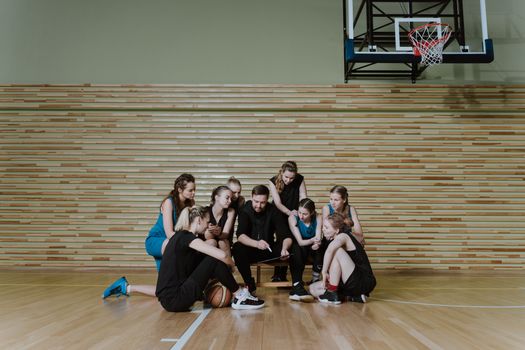
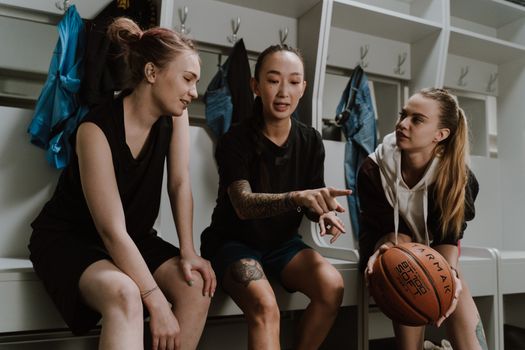
While individual preparation is essential, basketball is fundamentally a team sport. Team rituals and collective mental preparation can enhance unity, boost morale, and prime players for collaborative success.
Examples of effective team rituals include: - Pre-game team meals to foster camaraderie - Locker room speeches from coaches or captains - Group visualization sessions, imagining successful teamwork and communication - Circling up for a synchronized chant or cheer just before taking the courtResearch from Ohio State University found that teams engaging in regular pre-game rituals reported a 30% increase in perceived team cohesion and a 22% improvement in collective motivation.
Successful teams often develop unique traditions that become part of their identity. These rituals may be as simple as a handshake line or as elaborate as choreographed warm-up routines. The most important element is that all members participate and believe in the ritual’s power to unite and motivate.
Final Thoughts on Basketball Game Preparation: Rituals and Mindset Matter
The difference between an average game and an exceptional performance often comes down to preparation—both physical and mental. By incorporating personalized rituals, visualization, mindfulness, and structured routines, basketball players at every level can increase focus, reduce anxiety, and step onto the court with confidence.
Whether you’re chasing a championship or simply looking to play your best, invest time in your mental game. The routines and rituals you develop today can become the foundation of tomorrow’s success. Remember: champions aren’t just made on the practice court—they’re forged in the moments before the game begins.